Celebrating Six Centuries of the Diocese of Fuerteventura
This November, the island of Fuerteventura proudly commemorates the 600th anniversary of its diocese and the elevation of the Church of Santa María de Betancuria to cathedral status. This significant milestone marks an essential chapter in the consolidation of Christianity in the Canary Islands, celebrating a rich historical legacy.
A Special Celebration
On November 16, 2024, at 11:00 AM, a special Eucharist will be held at the Sanctuary of La Peña. This ceremony will be presided over by Auxiliary Bishop of the Canary Islands, Cristóbal Déniz, followed by a procession celebrating the Virgin’s ascent through the ravine. Such events highlight not only the spiritual but also the communal aspect of this momentous occasion, bringing together both residents and visitors in a shared celebration of faith and heritage.
Historical Context
On November 20, 1424, Pope Martin V established the Diocese of Fuerteventura through the papal bull Illius caelestis agricolae. This new diocese was unique in that it encompassed nearly all of the islands in the archipelago, with the notable exception of Lanzarote, which remained under the authority of the Diocese of San Marcial del Rubicón. The episcopal seat was established in the Iglesia de Santa María de Betancuria, which was subsequently elevated to cathedral status to fulfill its new role.
The creation of this diocese was intricately linked to the events following the Western Schism (1378-1417), during which the Catholic Church faced considerable internal strife that impacted its organizational framework across various regions, including the Canary Islands.
A Brief Existence
Despite its historical significance, the Diocese of Fuerteventura was short-lived, existing for only seven years. Established in 1424, it was dissolved in 1431 as a result of several challenges, including administrative and economic factors that rendered the diocese unsustainable.
Reasons for Its Short Duration
-
Administrative and Economic Difficulties: The isolation of Betancuria led to significant logistical challenges and economic limitations. Maintaining an entire diocese in such a remote area proved to be impractical.
-
Lack of Ecclesiastical Support: The Church administration in other regions did not see the Diocese of Fuerteventura as a sustainable or strategically valuable entity for evangelization and governance in the archipelago.
-
Reorganization of the Church: In 1431, Pope Eugenio IV transferred the ecclesiastical jurisdiction of Fuerteventura back to the Diocese of San Marcial del Rubicón, a move that allowed for more efficient management of church matters across the islands.
Following this transfer, Fuerteventura was integrated back into the broader ecclesiastical framework of Lanzarote, ultimately becoming part of the Diocese of the Canary Islands, headquartered in Las Palmas de Gran Canaria. This transition facilitated centralization and better oversight of church activities throughout the region.
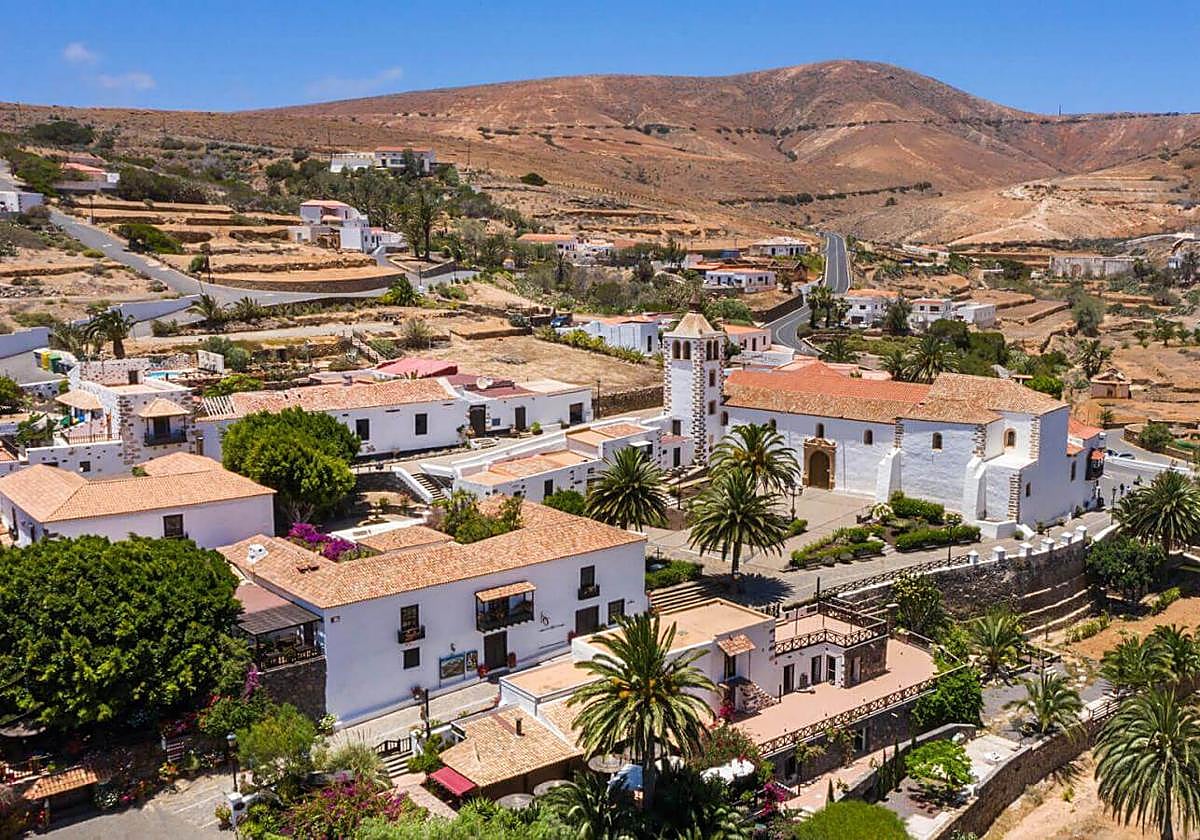
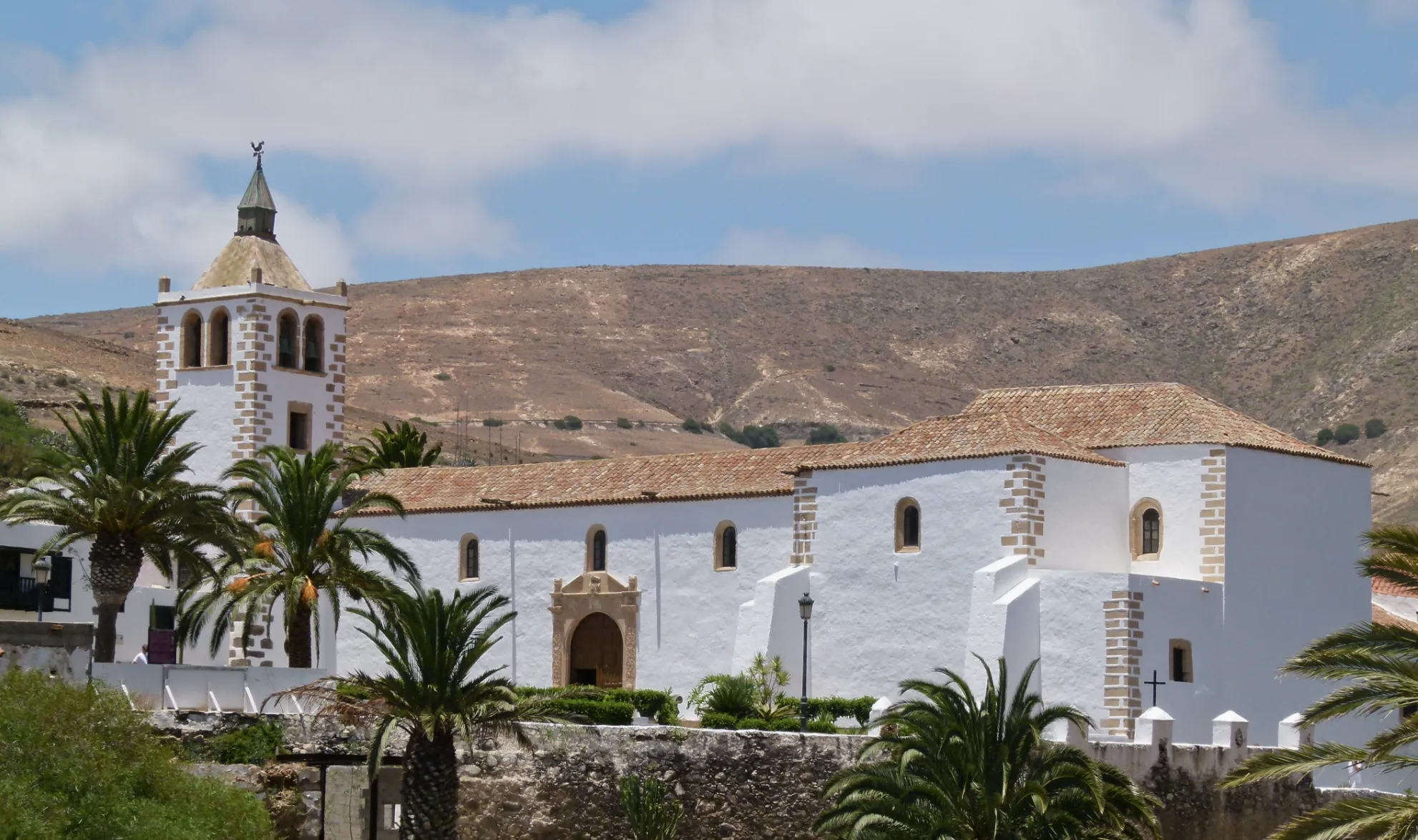
The Church of Santa María de Betancuria
The Iglesia de Santa María de Betancuria has its origins in the early 15th century when it began as a humble chapel dedicated to Christian worship. In 1410, it was enhanced into a more substantial structure under the directive of Jean de Béthencourt, a Norman conqueror who sought to replace the original site with a grander, Gothic-style edifice.
Tragically, in 1593, the church suffered destruction at the hands of pirates led by Xabán Arráez. It was later rebuilt under the guidance of architect Pedro de Párraga, incorporating a rich mix of architectural styles, including Gothic, Mudéjar, and Renaissance influences.
Commemorative Activities
In honor of this 600th anniversary, a variety of cultural and religious activities are planned in Betancuria. These include historical exhibitions, lectures, and special liturgical ceremonies to be held in the Church of Santa María. Such events will serve to illuminate the historical and cultural significance of this achievement, fostering a deeper appreciation among the local community and visitors alike.
This anniversary provides a unique opportunity for reflection on Fuerteventura’s enduring religious heritage and the crucial role that the Church of Santa María de Betancuria has played in shaping the spiritual and cultural landscape of the island for six centuries.