Timeless Spanish Towns: A Journey Through History
Spain is a treasure trove of history, with towns that have preserved their charm and character through the centuries. A handful of these towns allow visitors to step back in time, experiencing the architecture, culture, and stories that have shaped them. From the Renaissance streets of Baeza to the medieval allure of Frías, each town offers a unique glimpse into Spain’s rich past.
Baeza: A Renaissance Gem
Nestled in Jaen, Baeza is renowned for its remarkably preserved Renaissance architecture. This UNESCO World Heritage site boasts a street grid that has remained largely unchanged since the 1500s. The centerpiece is the Cathedral of Santa María, a stunning blend of Gothic, Mudéjar, and Renaissance styles. Built over the remnants of a former mosque, the cathedral features the Puerta de la Luna, which showcases a 13th-century Gothic-Mudéjar doorway alongside a 14th-century rose window.
As you wander through Baeza, you can follow the Antonio Machado route, named after the poet who taught here in the early 20th century. This scenic path leads you past historical monuments and picturesque countryside. Don’t miss the Museum of Olive Culture at Hacienda La Laguna, where you can learn about the region’s olive oil production and sample its famed “green gold.”
Alquézar: A Fortress Turned Church
Perched in the Huesca province, Alquézar is dominated by the Collegiate Church of Santa Maria la Mayor, which began its life as a Muslim fortress. This architectural marvel reflects centuries of history, featuring a medieval watchtower and 15th-century murals. The church serves as a testament to the Reconquista, showcasing the transition from Islamic to Christian architecture.
For those seeking adventure, the nearby Sierra y Cañones de Guara Natural Park offers hiking, climbing, and white-water rafting. The Río Vero Canyon is also home to prehistoric cave paintings, providing a fascinating glimpse into the region’s ancient past.
Aínsa: Gateway to the Pyrenees
Aínsa, another gem in Huesca, serves as a gateway to the breathtaking landscapes of the Pyrenees. The town’s main square, with its 12th- and 13th-century architecture, leads directly to Aínsa Castle. This Romanesque and Gothic fortress, built between the 11th and 17th centuries, offers panoramic views of the surrounding valleys and canyons.
Visitors can explore the castle’s high walkways, which reveal its strategic significance as a military stronghold. Aínsa is not just about history; it’s also a perfect base for outdoor enthusiasts eager to explore the natural beauty of the nearby national park.
Tossa de Mar: Coastal Charm
On the Costa Brava, Tossa de Mar captivates with its stunning beaches and historical charm. The town’s centerpiece is the Vila Vella, a fortified Old Town dating back to the 1200s. Cobblestone streets wind past seven towers and the remnants of the Sant Vicenç church, inviting you to explore its rich history.
The beach, Platja Gran, is perfect for sunbathing and swimming, while the surrounding coves offer secluded spots for relaxation. The newer Sant Vicenç Parish Church, built in the 18th century, features a striking arched ceiling and beautiful altarpieces, making it a must-visit for art lovers.
Olite: A Royal Retreat
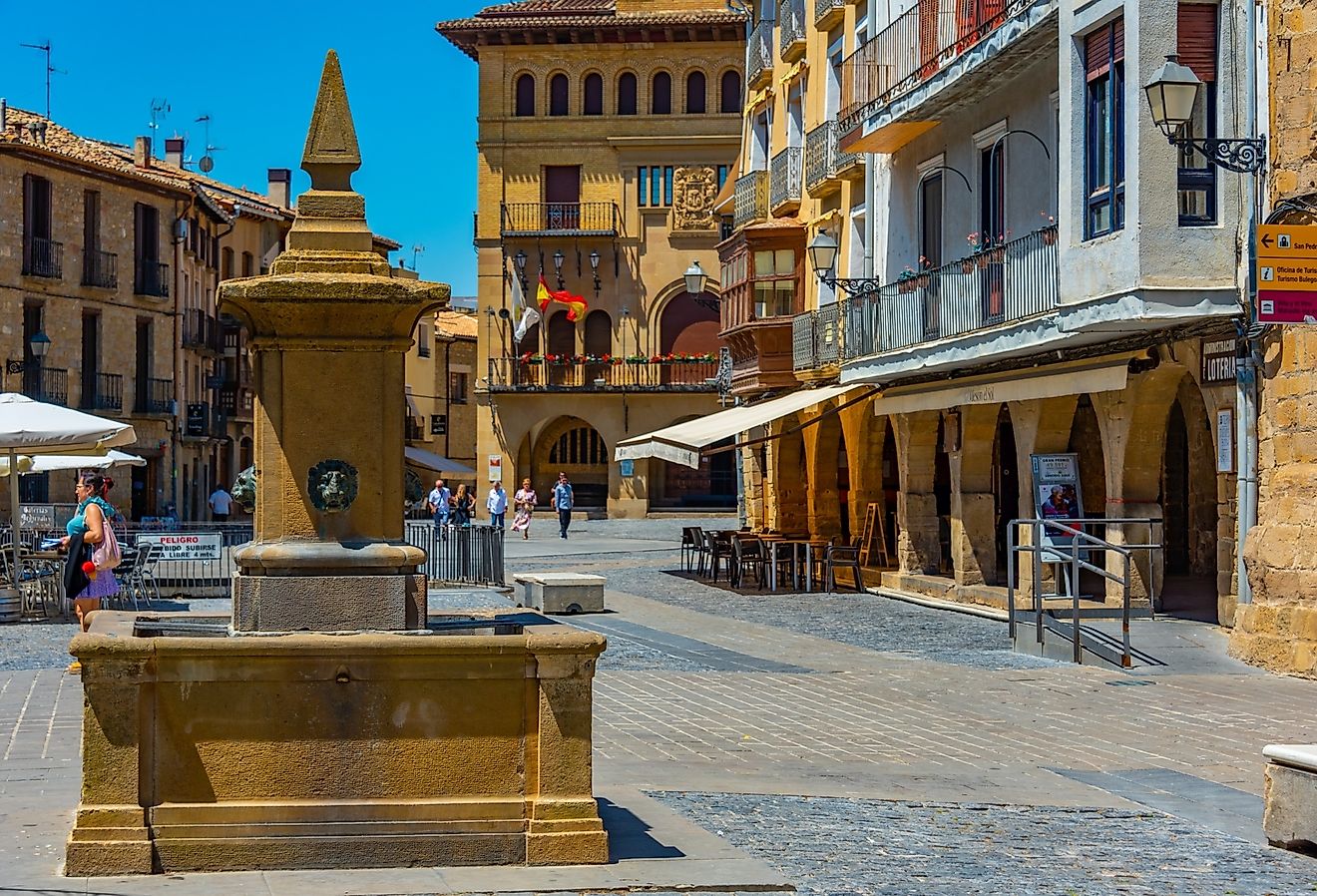
In the Navarre region, Olite is home to a magnificent royal castle that dates back to the 13th century. The Royal Palace, once the seat of the Court of Navarre, showcases stunning French Gothic architecture. Visitors can explore the Old and New Palaces, climb the Cuatro Vientos tower for breathtaking views, and stroll through the beautifully landscaped gardens.
The Church of Santa María la Real, with its impressive rose window and intricate façade, further emphasizes Olite’s historical significance. Wine enthusiasts will appreciate the local wineries that offer tours and tastings, allowing you to savor the region’s renowned reds and rosés.
Sigüenza: A Medieval Fortress
Located in Guadalajara province, Sigüenza is steeped in history, with its castle serving as a Parador hotel. This well-preserved medieval fortress offers guests a unique opportunity to sleep within its ancient walls. The Sigüenza Cathedral is a masterpiece of Romanesque, Gothic, and Renaissance architecture, housing the tombs of notable figures and a museum filled with religious art.
The Diocesan Museum, located in a 16th-century palace, showcases a diverse collection of paintings and artifacts that span eight centuries, providing insight into the region’s rich cultural heritage.
Frías: The Smallest City in Spain
Frías, recognized as the smallest city in Spain since 1435, clings to a rocky hill in Burgos province. Its history dates back to the 9th century, with the Church of San Vicente Mártir showcasing stonework from the 1100s. The town’s castle, built between the 12th and 16th centuries, offers visitors a glimpse into its medieval past.
The iconic bridge over the Ebro River, often mistaken for a Roman structure, is a medieval marvel that adds to Frías’ charm. The town’s narrow streets and ancient architecture create a picturesque setting that transports visitors back in time.
Why These Spanish Towns Still Stop the Clock
The enduring allure of these towns lies in their ability to preserve the essence of their historical roots. Each town is a living museum, where centuries of history are etched into the walls of churches, castles, and streets. Visitors can taste traditional foods made using age-old methods, walk through ancient structures, and immerse themselves in the stories that have shaped these remarkable places. In these seven towns, time seems to stand still, inviting you to explore the layers of history that define them.