The Impact of the Iran War on the Global Energy Landscape
As the deadly conflict in Iran escalates, the International Energy Agency has labeled it the worst oil crisis in history. This turmoil is prompting climate advocates to push for a more rapid transition away from fossil fuels. However, the ongoing war may complicate these efforts, creating a paradox where the urgency for clean energy grows alongside significant challenges to its expansion.
Disruption of Supply Routes
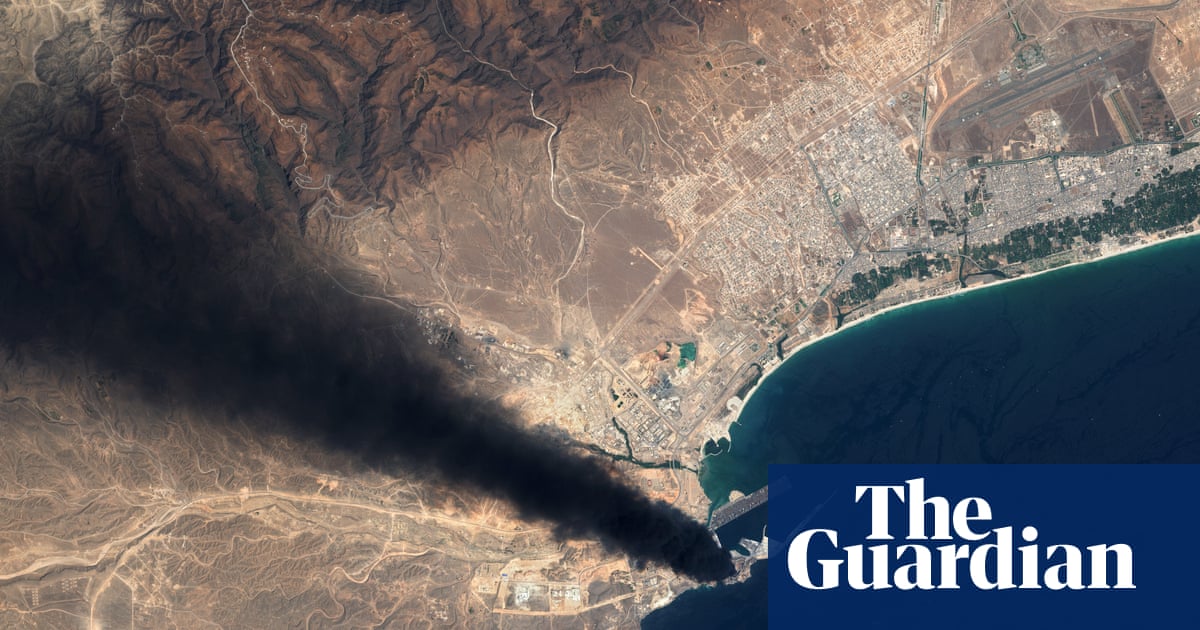
The war has led to significant disruptions in oil supply routes, particularly through the Strait of Hormuz, a critical chokepoint for global oil transport. Approximately 20% of the world’s oil flows through this narrow passage, and recent US-Israeli strikes on Iranian targets have further strained these supply lines. The conflict has not only targeted military assets but also fossil fuel facilities, leading to additional market shocks that ripple through the global economy.
The Resilience of Clean Energy
Despite the chaos in fossil fuel markets, some regions are finding solace in their reduced reliance on oil and gas. Countries like Spain and Portugal have experienced declining electricity prices, largely due to their investments in renewable energy technologies. Jan Rosenow, a professor of energy at Oxford University, emphasizes that electricity generated from wind and solar is largely insulated from fossil fuel price volatility. “Once built, the fuel is free,” he notes, highlighting the long-term benefits of renewable energy.
In Pakistan, a surge in rooftop solar panel installations over the past five years has allowed households and businesses to bypass the disruptions in the oil and gas markets. Many have discovered that solar energy, coupled with battery storage, is more cost-effective than grid electricity. This trend underscores the potential for clean energy to act as a buffer against fossil fuel crises.
Electric Vehicles Leading the Charge
Electric vehicles (EVs) are also playing a crucial role in helping economies withstand rising gasoline prices. In China, over 50% of new cars sold are electric, while in Nepal, that figure reaches an impressive 70%. These countries are better positioned to absorb the shocks of fluctuating fossil fuel prices, showcasing the transformative potential of clean transportation.
Challenges to Renewable Growth
While the war has reignited calls for a shift to clean technology, it has also introduced significant challenges for the renewable energy sector. Disruptions in the Strait of Hormuz are affecting the transport of essential metals like aluminum, which are crucial for constructing solar panels. With the Middle East accounting for about 9% of global aluminum production, the conflict has led to production slowdowns, complicating efforts to expand renewable energy capacity.
Moreover, inflation driven by the war could hinder investments in clean energy projects, which require substantial upfront capital for construction and installation. The urgency for a green transition is palpable, but the obstacles are formidable.
Short-Term Gains for Fossil Fuels
The ongoing energy crisis has paradoxically benefited fossil fuels, including coal, which is often the dirtiest energy source. As countries scramble to secure energy supplies, many are turning to coal to compensate for shortfalls in liquefied natural gas (LNG). Nations like India, Thailand, and Vietnam are increasing their coal consumption, reversing previous trends toward cleaner energy sources.
The war has also spurred renewed interest in oil and gas exploration, as high prices make previously unviable projects economically attractive. This “carbon lock-in effect” poses a significant risk, as newly built fossil fuel infrastructure could remain operational for decades, further entrenching reliance on dirty energy.
Policy Responses to Shape the Future
In light of these challenges, experts are advocating for policy reforms to encourage a faster transition to renewable energy. Rosenow suggests that governments should reconsider tax structures that currently favor fossil fuels over electricity, making the latter artificially expensive. This idea is gaining traction in Europe, where discussions about energy taxation are ongoing.
Additionally, some experts propose imposing a windfall tax on oil and gas companies to curb excessive profits generated by the crisis. By taxing these windfall gains, governments can signal to investors that the fossil fuel sector is not as lucrative as it may seem, thereby reducing pressure to expand production.
Subsidizing materials like aluminum specifically for renewable energy projects could also help alleviate supply chain issues. While this may be challenging in the short term, careful planning could facilitate a smoother transition to clean energy.
The Need for Comprehensive Solutions
Ultimately, the most effective policy response may be to end the conflict itself. Experts agree that resolving the war would alleviate many of the disruptions currently affecting global energy markets. Additionally, governments should consider ending fossil fuel subsidies and holding polluters accountable for their environmental impact.
As the world grapples with the implications of the Iran war on energy markets, it is clear that the path forward must prioritize sustainable solutions. The current crisis serves as a stark reminder that the transition to renewable energy is not just an environmental imperative but also a matter of global security and economic stability.


