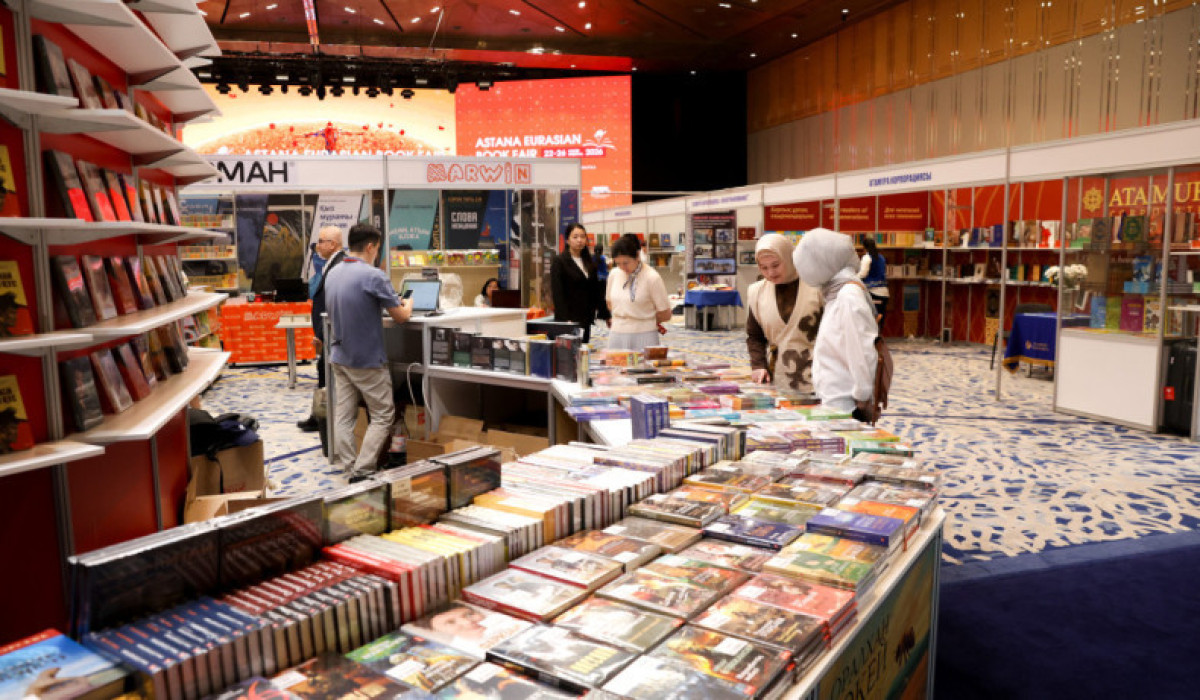
The Astana Eurasian Book Fair: A Celebration of Literary Heritage
The Astana Eurasian Book Fair recently showcased the rich literary heritage of various cultures, transforming the event into a vibrant tapestry of stories, languages, and traditions. This international book fair in Kazakhstan serves as a unique platform where books transcend mere reading material, becoming gateways to explore the diverse cultures of the world.
A Hub for Cultural Exchange
This year’s fair was not just about selling books; it was a dynamic venue for cultural exchange. Stands featured an impressive array of editions in Portuguese, Spanish, English, Russian, and Kazakh. Participants brought a mix of genres, from fiction to history and language learning, creating an atmosphere of discovery and dialogue among attendees.
Kazakh Culture Through Fantasy
One of the highlights was the “Polyn” publishing house, which presented literature that intertwines reality with mysticism. Alexander Lazarev, the director, emphasized that their offerings—ranging from magical realism to historical novels—aim to immerse readers in fantastical worlds.
Lazarev pointed out their special focus on Seven Woes and the Snake Covenant by Darya Akulova, a novel deeply rooted in Kazakh culture. This marks a significant shift for Polyn, which has previously explored themes from Mongolian-Chinese and Japanese settings. The move towards Kazakh narratives reflects a growing interest in Eastern and Turkic themes, promising a rich exploration of cultural identity.
Celebrating Luís de Camões: Portugal’s Literary Icon
The Portuguese stand at the fair was a cultural feast, featuring an exhibition dedicated to Luís de Camões, Portugal’s national poet. Born in the early 16th century, Camões is celebrated for his epic poem The Lusiads, which chronicles Portugal’s maritime explorations. His work not only shaped Portuguese literature but also encapsulated the spirit of national identity during the Age of Discovery.
Deputy Head of Mission at the Embassy of Portugal, David Matz, highlighted the diversity of Portuguese literature available at the fair, including works from various eras and genres. The stand also offered books in multiple languages, making it accessible for those eager to learn about Portuguese culture.
Spain’s Cultural Showcase
The Spanish stand, a familiar presence at the fair, focused on cultural promotion rather than commercial interests. Mina Aubakirova, a representative from the Embassy of Spain, explained that their goal is to introduce visitors to the rich literary landscape of Spain and Latin America.
The stand featured a variety of books, including bilingual editions where one part of the text is in Spanish and the other in English. Additionally, translations of poems into Kazakh were available, further bridging cultural gaps. The fair’s program included engaging activities such as lessons and contests, fostering a deeper understanding of Spanish language and culture.
Kazakhstan: A Cultural Confluence
The Astana Eurasian Book Fair exemplifies how literature can serve as a bridge between cultures. It offers readers a chance to see books as more than just text; they become maps leading to new worlds, conversations that transcend borders, and introductions to diverse cultures.
In this vibrant setting, the fair not only showcases the literary works of various nations but also highlights Kazakhstan’s role as a meeting point for global cultures. Each book, each author, and each story contributes to a larger narrative of shared human experience, making the fair a vital platform for cultural dialogue and understanding.