Coordinated Mountain Emergency Operations in Lajares
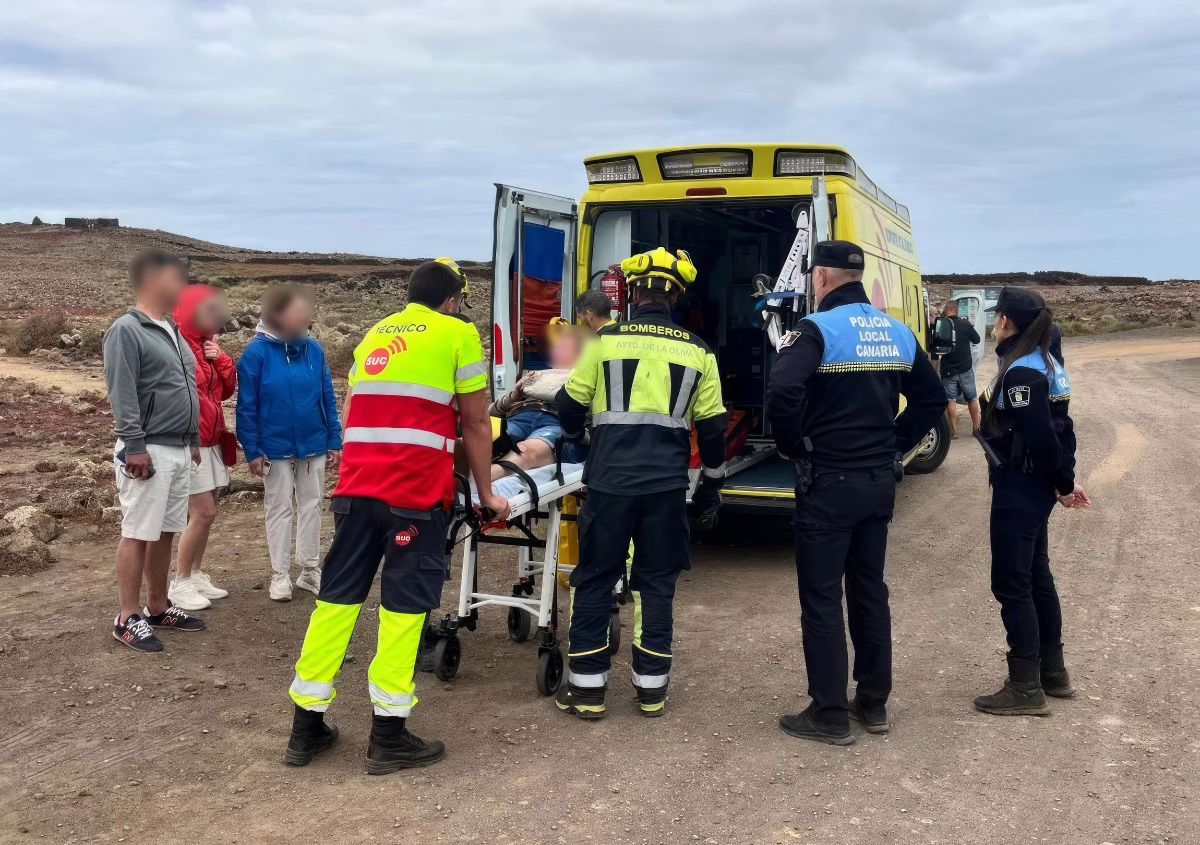
This past weekend, a hiker was injured while traversing the trail at the summit of Calderón Hondo, located in the town of Lajares, within the municipality of La Oliva. The incident triggered a comprehensive rescue operation coordinated by 112 Canarias, mobilizing several emergency services to safely evacuate the woman.
Leading the Rescue Efforts
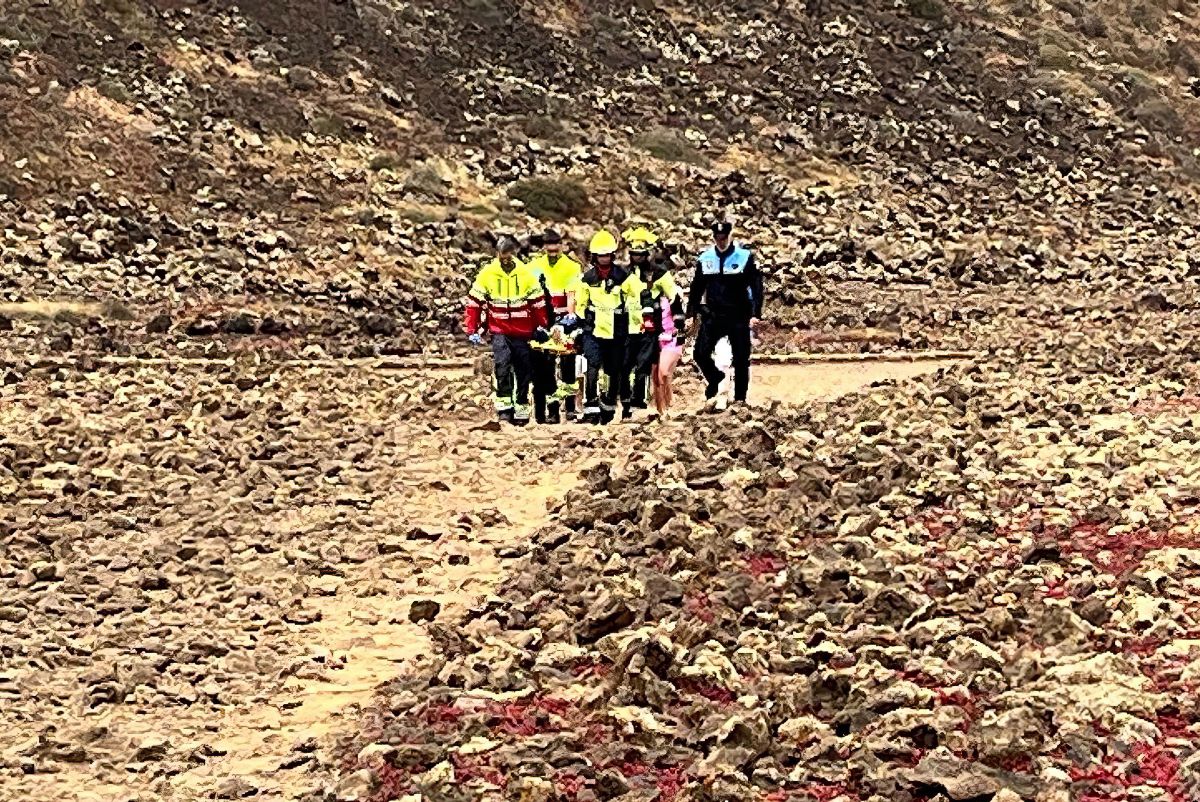
The rescue operation was spearheaded by the Firefighters of La Oliva, who worked closely alongside the Local Police and personnel from the Canary Emergency Services (SUC). The arduous geography of the volcanic terrain necessitated a high level of coordination among the various services to ensure the safe evacuation of the injured hiker. Emergency teams are trained for such complex operations in mountainous regions, where conditions can be treacherous.
The Rescue Protocol
Upon arrival at the scene, the emergency teams immediately assessed the situation. One of the first steps was to immobilize the hiker, adhering to established mountain rescue protocols. This precaution is essential to prevent any further injury during the extraction process. The medical staff from SUC took charge of monitoring the hiker’s vital signs, ensuring that her condition was stable while preparing for her evacuation.
Difficult Terrain and Safety Measures
The summit of Calderón Hondo poses unique challenges due to its rugged landscape, making rescue operations particularly demanding. The teams had to navigate steep and uneven paths while ensuring they didn’t exacerbate the hiker’s injuries. Special equipment and techniques are vital in such scenarios, allowing rescue personnel to transport the injured safely and efficiently.
Community Support in Emergencies
This incident highlights the importance of community support and readiness in emergency situations. Local authorities, firefighters, and medical teams are essential in providing a rapid and coordinated response. Their efforts to work together aim not only to save lives but also to foster a spirit of cooperation among various emergency services in La Oliva.
Post-Rescue Care and Rehabilitation
Once the hiker was evacuated, she was promptly taken to a medical facility where her injuries could be treated. The post-rescue phase is equally critical, involving thorough assessments, care, and possibly rehabilitation. This step ensures that the affected individuals receive the necessary medical attention and support they need to recover fully.
Preparing for Mountain Adventures
Such incidents serve as a reminder of the inherent risks involved in hiking and outdoor adventures. It’s essential for all hikers to be well-prepared, equipped with the right gear, and knowledgeable about the trails they choose. Local authorities emphasize the importance of informing someone about your planned route and expected return time, as well as having a first aid kit handy in case of emergencies.
Conclusion: Learning and Awareness
While this specific incident concluded with a successful rescue, it is crucial for all outdoor enthusiasts to remain vigilant and informed about safety practices in mountainous terrains. Each rescue operation adds to the collective knowledge of emergency services, enhancing their capabilities for future calls, and providing invaluable lessons for the community.


