The DIY Culture in Australia: A Double-Edged Sword
Most Australians proudly identify as “DIYers,” with weekend trips to the hardware store becoming a cherished ritual in many households. According to a recent survey, about 57% of Australians are eager to roll up their sleeves and tackle home and garden repairs. However, this “do it yourself” culture comes with significant environmental costs, from the noise and air pollution generated by petrol-powered tools to the waste associated with purchasing new tools that may only be used once.
The Environmental Impact of Petrol-Powered Tools
Australia imports over a million outdoor power tools each year, including lawnmowers, leaf blowers, and chainsaws. Many of these tools are petrol-powered, relying on two-stroke or four-stroke engines that are notorious for being noisy and emitting harmful exhaust gases. These emissions include carbon monoxide, nitrogen oxides, and volatile organic compounds, contributing to greenhouse gas emissions and air pollution.
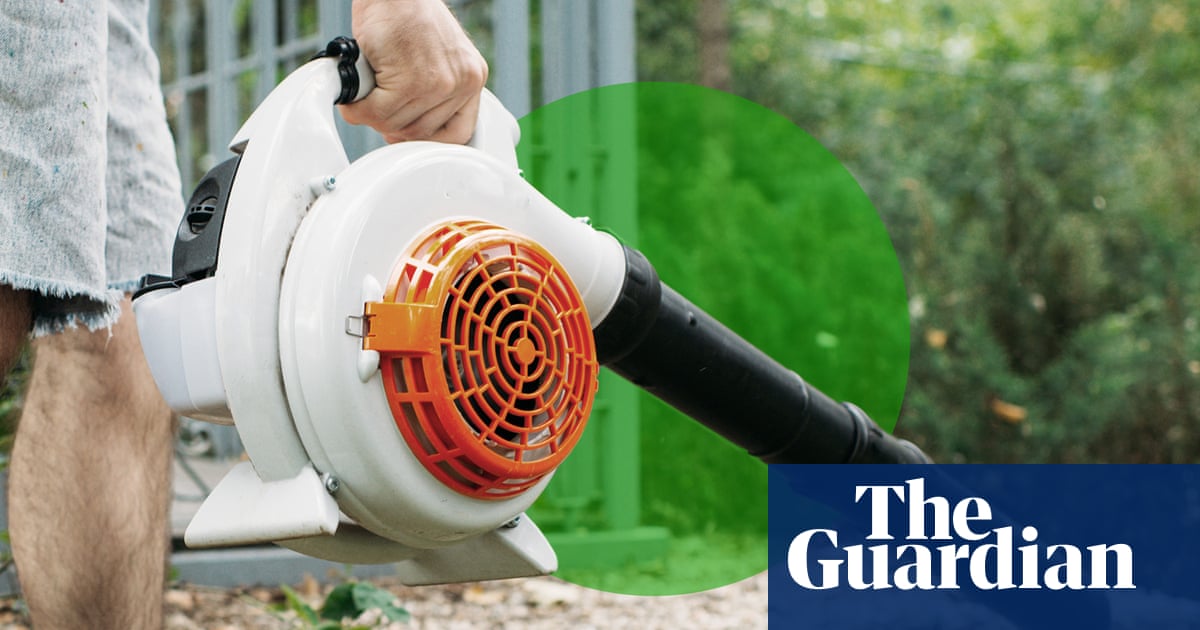
For instance, operating a commercial leaf blower for just one hour produces the same amount of air pollutants as driving 1,700 kilometers—roughly the distance from Melbourne to Brisbane. Similarly, an hour of lawn mowing is equivalent to driving about 480 kilometers. During summer weekends, small non-road engines contribute up to 20% of certain air pollutants in Australia, including carbon monoxide and volatile organic compounds. Alarmingly, in California, these engines surpassed cars as the primary source of smog-forming pollution in 2020.
The Shift to Electric Power Tools
Harry Barber, a transport consultant and volunteer at Electrify Yarra, emphasizes that battery-electric alternatives are now available for nearly all types of home and garden power tools. “Whether it’s a mower, or a blower, or a whipper-snipper, or a chainsaw. Whatever you need, it can all be electric,” he asserts.
Switching to electric tools is not only more environmentally friendly but also more affordable than transitioning to electric vehicles. Many manufacturers offer batteries that can be used across multiple tools, making it easier for DIY enthusiasts to make the switch. Electric tools eliminate air pollutants and greenhouse gas emissions, and they are significantly quieter, devoid of the unpleasant burnt oil smell associated with two-stroke engines.
Tool Libraries: A Sustainable Solution
Accessing high-quality hand and electric power tools doesn’t always require a trip to the local hardware store. A growing network of tool libraries across Australia allows people to borrow tools instead of purchasing them. This initiative not only strengthens community ties but also reduces waste and saves money.
One notable example is the Brunswick Tool Library in Melbourne, which has been operational for 13 years. With nearly 1,400 members and a dedicated team of volunteers, the library focuses on providing high-quality tools designed for durability and reuse. Its inventory includes over 2,000 items, ranging from small tools like Allen keys to larger equipment like lawnmowers and pressure washers.
Zack Morris, the president of the library, highlights the sustainability benefits of borrowing tools instead of buying them. Many people purchase single-use tools that end up collecting dust in garages or being discarded. The library’s focus on high-quality tools helps combat the issue of overconsumption, especially given the prevalence of cheap, poorly made tools on the market.
Education and Repair Initiatives
The Brunswick Tool Library is also expanding its educational efforts, teaching community members how to use tools and repair items. This knowledge is crucial for fostering a more circular economy. Griffith University’s Professor Leanne Wiseman notes that tool libraries play a vital role in addressing overconsumption. When tools break, the network of over 100 neighborhood repair cafes across the country can assist in fixing them, thus avoiding waste and the need to purchase new items.
Many Australian households own multiple large and small appliances, yet power tools often lack durability and can be challenging to repair. Common issues include glued parts instead of screws, unavailability of spare parts, and incompatibility of batteries across different brands. RepairMonitor, which tracks data from repair cafes globally, shows that items like pruning shears and electric drills are frequently brought in for repairs.
Community Makerspaces: A New Frontier
In addition to tool libraries, cities like Melbourne are embracing Makerspaces, which provide access to sophisticated tools and equipment for crafting and DIY projects. The City of Melbourne’s libraries host these spaces, allowing residents to utilize everything from sewing machines to 3D printers without the need for ownership.
Lord Mayor Nicholas Reece notes the increasing popularity of crafting and repair activities. The city’s Makerspaces have become hubs for creativity and sustainability, where residents can learn to make and repair items rather than discarding them. “We want to be a city that knows how to make things, who knows how to repair things. We don’t want to live in a disposable society where everything gets thrown out on the first break,” he emphasizes.
Embracing a Sustainable Future
As Australians continue to embrace their DIY culture, the shift towards electric tools and community resources like tool libraries and Makerspaces represents a significant step toward sustainability. By reducing reliance on petrol-powered equipment and fostering a culture of repair and reuse, Australians can enjoy their DIY projects while minimizing their environmental impact.