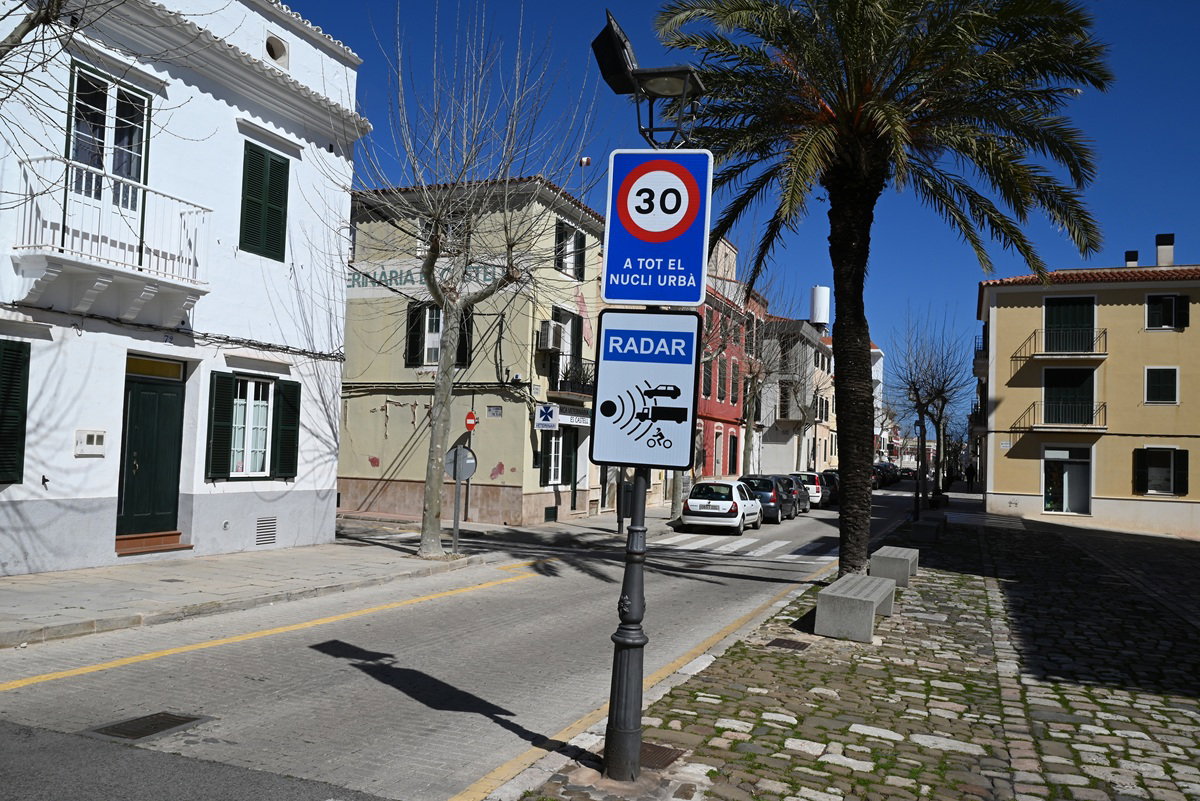
Spain’s DGT Expands Advanced Radar Technology for Speed Enforcement
Spain’s Directorate General of Traffic (DGT) is stepping up its game in speed enforcement with the introduction of advanced radar technology. This move aims to enhance road safety and make speed enforcement more precise across the country.
The Old Habit of Speeding
Many drivers in Spain have developed a habit of reacting to speed cameras in a predictable manner. Spotting a radar at the last moment often leads to a quick brake, a temporary slowdown, and then a return to normal speed. This behavior has been commonplace, but the DGT’s new radar systems may soon put an end to this practice.
Enter the 3D LIDAR Speed Cameras
The DGT is rolling out a new generation of 3D LIDAR speed cameras capable of detecting vehicles from approximately 200 meters away. This means that many drivers could be recorded for speeding before they even notice the radar box further down the road. The technology is designed to be far more precise than older systems, particularly in identifying various types of vehicles, including motorcycles, cars, and heavy goods vehicles.
While the DGT frames this rollout as a road safety initiative, many motorists may view it as yet another hurdle in avoiding speeding fines in Spain.
The End of the ‘Brake at the Radar’ Trick
For years, drivers have relied on spotting speed cameras rather than consistently monitoring their speed. Navigation apps have further facilitated this habit by allowing users to share radar locations and warn each other about mobile controls. Fixed cameras have become predictable points on familiar routes, leading to a culture of complacency.
The newer LIDAR systems operate differently. Instead of measuring speed at a single point, they create a detailed three-dimensional reading of traffic movement. This technology analyzes not just speed but also the size and type of vehicle, allowing for more accurate identification.
Motorcycles, for instance, have historically been difficult for older radar systems to detect due to their smaller profile. The new technology aims to improve this accuracy significantly. With the ability to detect vehicles from 200 meters away, drivers may find they have less time to react once they spot the radar.
Investment in Smarter Traffic Surveillance
The DGT has been investing heavily in traffic enforcement technology over the years. Fixed radars, mobile controls, section speed cameras, and AI-based traffic monitoring systems have become increasingly common, especially on routes with high accident rates. Authorities argue that the goal is to reduce dangerous driving rather than merely increasing fines.
Speed remains a significant factor in fatal accidents across Europe, particularly on secondary roads where collisions often occur at much higher impact speeds than drivers realize. The DGT frequently emphasizes that many motorists underestimate stopping distances and overestimate their control while speeding. This understanding drives the ongoing investment in systems that can monitor roads more efficiently and accurately.
Beyond Speeding: Additional Benefits of LIDAR Technology
The newer LIDAR radars are not just about catching speeding drivers. Reports suggest that this technology could also help identify broken-down vehicles, unusual traffic situations, or accidents more quickly by analyzing movement patterns in real time. Traffic management centers may eventually use this information to improve congestion monitoring and respond faster during emergencies.
However, for most drivers, the immediate concern will likely be the potential for fines.
The Importance of Staying Alert on Familiar Roads
One reason these newer radar systems may catch more drivers is simply due to habit. People often relax on roads they know well, becoming less vigilant about speed limits and road signs. This complacency can lead to unintentional speeding, especially in tourist areas where millions of foreign drivers navigate unfamiliar roads and rental cars.
The DGT has repeatedly warned against relying solely on GPS instructions instead of paying attention to road signs. This behavior can quickly become costly if radar systems can identify speeding vehicles long before drivers notice the control point.
Unlike older radar setups that drivers often learned to recognize visually, newer systems may blend more seamlessly into existing road infrastructure.
A Shift in Driving Mindset
For motorists, the safest approach increasingly aligns with what traffic authorities have been advocating for years: do not drive based on where you think the radars are; drive according to the speed limit at all times.
This advice may seem straightforward, but the introduction of advanced radar technology suggests that Spain’s traffic controls are evolving into a system that is much harder to outsmart through habitual behavior. If these systems can indeed identify vehicles from 200 meters away with greater precision, then spotting the camera may no longer matter as much. By the time drivers see it, the photo may already have been taken.

![[gpt_title] Write a natural, soulful, and wellness-driven headline (max 12 words) about Ayurveda, healing, or natural medicine. It should feel modern yet timeless — e.g., “The Science of Stillness,” “Nature’s Pharmacy,” or “Healing in the Everyday.” Avoid clickbait or sales tone. [/gpt_title]](https://www.yourtango.com/sites/default/files/image_blog/2026-05/barbara-corcoran-doesnt-believe-saving-money.png "[gpt_title] Write a natural, soulful, and wellness-driven headline (max 12 words) about Ayurveda, healing, or natural medicine. It should feel modern yet timeless — e.g., “The Science of Stillness,” “Nature’s Pharmacy,” or “Healing in the Everyday.” Avoid clickbait or sales tone. [/gpt_title]")
