The Giant Lizard of Gran Canaria: A Conservation Effort in Fuerteventura
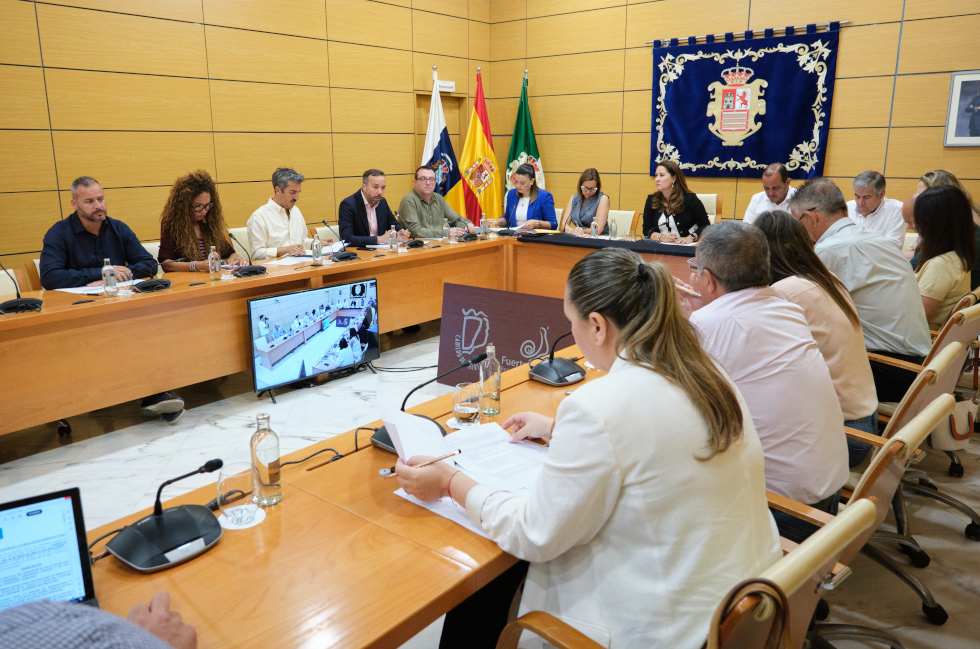
In a noteworthy turn of events, the Environmental and Hunting Area of the Cabildo of Fuerteventura, led by Carlos Rodríguez, has responded to a significant wildlife situation involving the Giant Lizard of Gran Canaria, known scientifically as Gallotia stehlini. This incident unfolded in Lajares, a quaint village within the municipality of La Oliva, where a local resident stumbled upon the reptile while inspecting his family garden for damage.
The Discovery
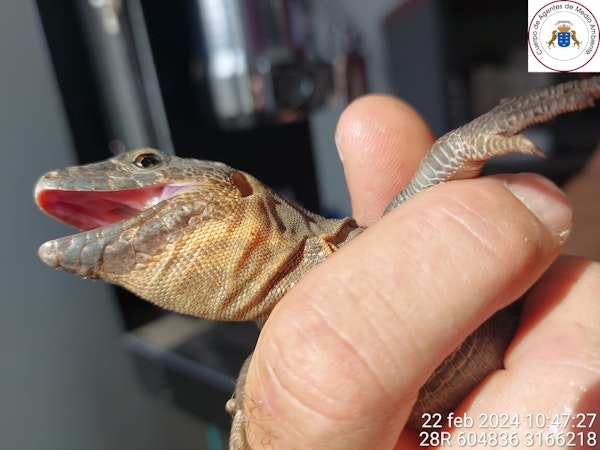
While surveying his garden, the neighbor had set a trap to identify what was causing havoc among his plants. Much to his surprise, he found a Giant Lizard trapped within. Measuring an impressive 44 centimeters in length and weighing 117 grams, the lizard had likely strayed far from its natural habitat on Gran Canaria, raising concerns about its safety and wellbeing.
Rescue and Rehabilitation
Immediately upon receiving reports of the lizard, the Cabildo’s environmental team moved swiftly to secure the creature. Currently, the Giant Lizard is being cared for at the Biological Station of La Oliva, a facility managed by RedEXO through the service provider GESPLAN. Experts are assessing the lizard’s health and circumstances to ensure its rehabilitation goes smoothly.
Ensuring Wellbeing
The dedicated team is not only focused on the lizard’s immediate health but is also taking all necessary precautions to provide proper care. They are determining the appropriate course of action for the animal’s future and wellbeing. The process involves bureaucratic steps to ensure its safe return to Gran Canaria, where RedEXO will coordinate its reintegration into the wild.
The Importance of the Giant Lizard
Gallotia stehlini is an endemic species to Gran Canaria, playing a vital role in the local ecosystem. These lizards have a predominantly herbivorous diet and contribute significantly to seed dispersal for various plant species. This makes them integral to maintaining the ecological balance of their native habitat.
The Role of RedEXO and Community Involvement
The Canary Islands have implemented the network known as RedEXOS, which is dedicated to the early detection of invasive exotic species. Their mission is crucial for local ecosystems, as they aim to locate, identify, and control or eradicate these invasive species before they can establish a foothold.
In light of this recent incident, the Cabildo has actively urged local citizens to report any sightings of similar creatures to emergency responders by dialing 112. Community involvement is essential in the preservation of the unique biodiversity found across the Canary Islands.
A Commitment to Conservation
Carlos Rodríguez emphasized the ongoing commitment from the environmental team to protect both native fauna and flora. The collaborative efforts with experts and organizations work toward ensuring the conservation of species across the archipelago. This incident serves as a reminder of the delicate balance of ecosystems in the Canary Islands and the responsibility that comes with it.
In summary, the unexpected appearance of the Giant Lizard of Gran Canaria in Fuerteventura is more than just a curious event; it highlights the importance of wildlife conservation, community awareness, and the continued efforts to protect the unique species that call these islands home.