The Crisis Facing the Cofradía de Corralejo
A Brewing Storm
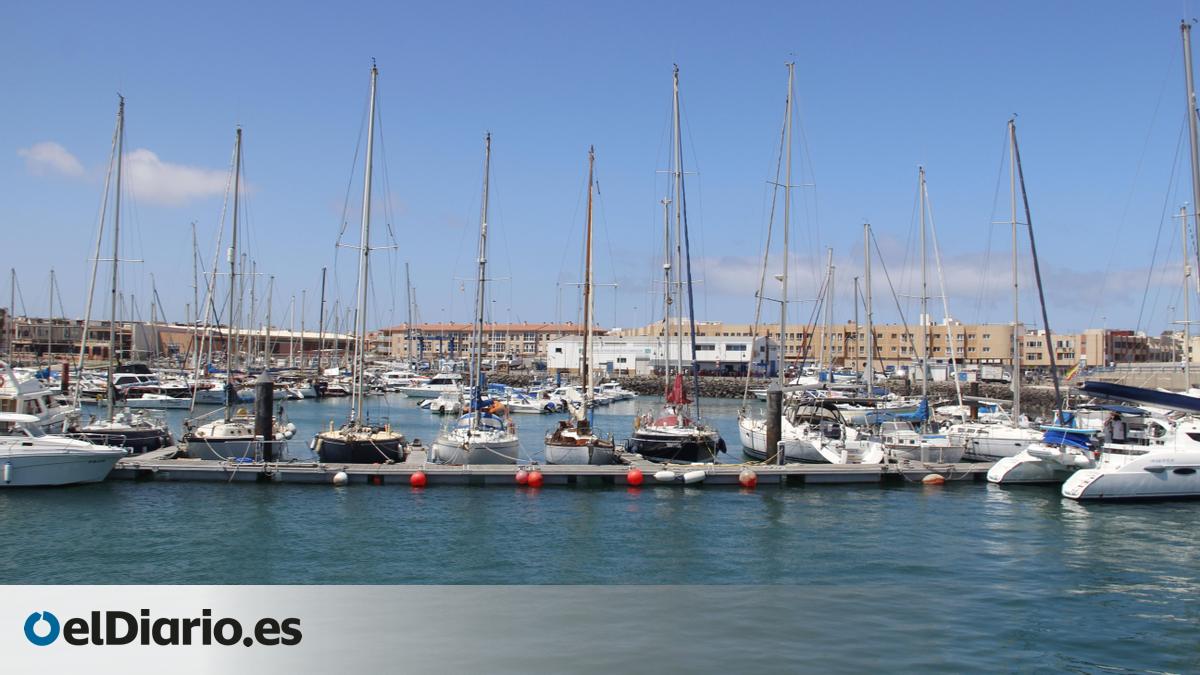
The fishing community of Corralejo is navigating through turbulent waters, facing significant challenges from illegal fishing and poaching. According to Fafito Carballo, the mayor of the Cofradía (Fishermen’s Guild), despite having improved facilities—including their own fish dryer and a new auction house in El Cotillo—the fish stock in local waters has plummeted dramatically. “We have our own fish dryer and a new auction house in El Cotillo, and everything is functioning well,” Carballo explains. However, the harsh reality is that the aquatic resource base has diminished significantly, putting immense pressure on local fishermen.
The Threat of Illicit Fishing
Carballo highlights a distressing trend: illegal fishing boats are proliferating. What began with just a few poachers has now escalated to approximately 30 illegal boats, wreaking havoc on their fishing grounds. He warns that if this fishing malpractice is not urgently addressed, “in about four years, the professionals won’t even earn enough to eat.” The situation is dire, and he emphasizes that the Cofradía de Corralejo is in serious jeopardy, with the risk of disappearing entirely.
Legal Loopholes and Enforcement Challenges
While the Civil Guard collaborates in monitoring illegal fishing activities, both advancements in technology and the sheer audacity of poachers make enforcement difficult. “With radars and social media, poachers operate with near impunity,” Carballo notes. Legal loopholes complicate matters further: if poachers aren’t caught red-handed with illegal gear, pursuing sanctions is near impossible. “They’re fast and can spot monitoring boats from miles away, making it hard to catch them in the act,” he warns.
Local Impacts of Poaching
Interestingly, Carballo notes that the impact of illegal fishing varies by location. In Corralejo, a handful of recreational boats may not cause significant harm. However, in nearby towns like El Cotillo, where fishing is a professional undertaking with high operational costs, illegal fishing becomes a more pressing concern.
A Year of Poor Catches
The current year has been particularly bad for the Cofradía de Corralejo, depicting a grim picture of local catches. On good days, they might land around 400 kilograms of local snapper, while in poorer conditions, it drops to as little as 150 or 200 kilograms. For comparison, the Gran Tarajal Cofradía might bring in up to 15 tons in a single day. The northern regions see even fewer operational days; for instance, in El Cotillo, fishing days drop to a mere 70 out of the year.
Market Dynamics
Much of the fish caught is funneled to the supermarket chain Mercadona, which takes the majority of the snapper supply. Carballo mentions that while they aim to support local restaurants and markets, their primary outlet for volume remains the supermarket. Interestingly, the holiday season sees increased demand for larger fish like grouper, yet local supply continues to dwindle.
A Call to Action in Brussels
In November, Carballo participated in a discussion in Galicia, gathering input from fishing guilds across Spain. He urged the European Union to consider adjusting regulations, specifically advocating for no minimum size limits for farmed sea bass and gildhead bream in local waters. Scientists have indicated a population of sea bass existing between Fuerteventura and Lanzarote, but they are not native to these waters. The mass escape of these predatory fish from fish farms significantly threatens local juvenile fish populations.
Pursuing Longorón Fishing Rights
Carballo elaborated on negotiations for increasing the catch quotas for longorón, a smaller fish akin to anchovy. The initial minimum size limit of 12 centimeters has been gradually lowered to nine centimeters over five years of advocacy. He also points out that efforts are ongoing in the Azores for similar changes.
Collaborative Efforts for Sustainable Fishing
Local fishing guilds advocate for inclusive discussions about the fishing trade, involving environmental groups, scientists, and women in fishing industries. Identifying these stakeholders is crucial to address the existing challenges in fishing sustainably. A significant milestone was achieved in November 2016, when a historic agreement was reached to create a management plan for artisanal fishing in Fuerteventura.
Addressing Illegal Gathering
Since 2015, the Directorate-General for Fisheries of the Canary Islands has processed 231 files regarding illegal fishing and shellfish gathering in Fuerteventura. With over half of these cases related to illegal shellfishing—stemming from various practices such as fishing during closed seasons or without licenses—the issue persists. Violations in underwater fishing have also been noted, including taking too many specimens or using unauthorized methods.
Variety of Offenses
The remaining infractions encompass a broad array of violations, from recreational boats disregarding safe distances from professional vessels to fishing without proper permits. The regulations are strict and aimed at safeguarding local fish populations, but enforcement remains a challenge.
Highlighting the Fisherman’s Journey
Fafito Carballo, born in Corralejo in 1954, has dedicated his life to fishing after leaving his career as a naval mechanic. His passion runs deep, rooted in childhood memories spent at sea with his father. Today, he reflects on the challenges and joys of traditional fishing, particularly in an evolving landscape shaped by both law and market conditions.
Fishing for Tourists
Carballo notes the emerging trend of combining fishing with tourism, allowing visitors to partake in the local fishing experience—a model successfully employed in countries like France, Italy, and the Azores. This potentially lucrative venture could also serve as an educational opportunity for tourists about sustainable fishing practices.
A Need for Cultural Preservation
Carballo believes the establishment of a marine museum in Corralejo could significantly contribute to preserving local fishing heritage. He advocates for a dedicated space that tells the story of the area’s fishing culture, showcasing historical artifacts and outlining traditional fishing methods. Such an endeavor could enrich both community identity and cultural tourism.
Through these narratives and struggles, the plight of the Cofradía de Corralejo exemplifies the intricate dance between tradition, regulation, and the pressing need for sustainability in the fishing industry. While the challenges are formidable, the passion of individuals like Fafito Carballo shines through, illustrating the deep connection between communities and the waters they inhabit.