Enhancing Educational Infrastructure in the Canary Islands: A Closer Look at the 2026 Updates
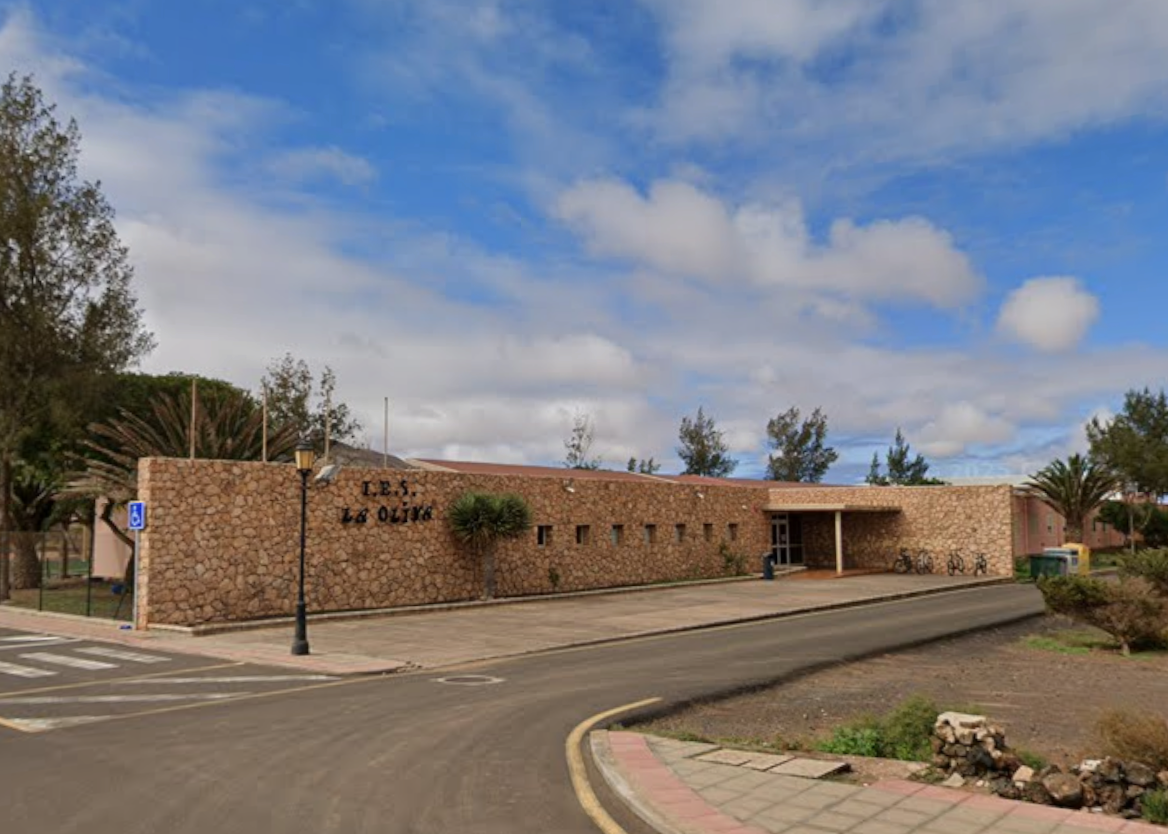
In a recent initiative aimed at bolstering the educational framework of the Canary Islands, the Department of Education, Professional Training, Physical Activity, and Sports has made noteworthy updates to the Strategic Plan for Educational Infrastructure in the Canary Islands for the period 2024-2035. Under the direction of Poli Suárez, this annual revision aligns closely with the real-time necessities of the education system and aims to ensure ongoing improvements across all educational centers in the archipelago.
Current Goals and Investment
The plan, updated for 2026, outlines a comprehensive approach with a total of 82 initiatives backed by an investment of 281.6 million euros. This significant financial commitment cements the plan as the primary roadmap for modernizing and adapting educational infrastructures throughout the region. Each proposed project is now accompanied by updated timelines, supported by an enhanced graphical system that allows stakeholders to clearly visualize the status of each initiative—highlighting those that are ongoing versus those already completed.
Responses to Evolving Needs
This update incorporates essential adjustments reflective of both planning decisions and the changing demographics and educational demands in various locales. Notably, new projects have been introduced that correspond to land availability and surging educational demand, especially in municipalities facing rising enrollment numbers.
Among the key projects included in this strategic update are:
- Expansion of the Early Childhood and Primary Education Centre (CEIP) Ruiz de Padrón in San Sebastián de La Gomera,
- Creation of a new Secondary Education Institute (IES) in La Oliva,
- Establishment of a new Obligatory Education Centre (CEO) in Puerto del Rosario,
- Expansion efforts for IES and CEIP in Puerto del Rosario and La Oliva on the island of Fuerteventura,
- Plans for enhancements to CEIP Yaiza in Lanzarote, and expansions at CEO El Cardón and IES Guía in Gran Canaria.
These initiatives seek to address educational pressure points in various regions, ensuring that resources are allocated where they are most needed.
Adjustments and Withdrawals
While new projects have been added, some previously planned initiatives have been removed from the current agenda. Certain projects that could not be executed, either due to changes in the scope of the Department’s jurisdiction or the inability to secure land—like the proposed Integrated Vocational Training Centre (CIFP) El Rincón in Las Palmas de Gran Canaria and the proposed IES in Playa Blanca—have been expunged from the plan.
Additionally, adjustments to the Shock Plan for Southern Tenerife have yielded three new expansions, including:
- IES Mencey Acaymo,
- The second expansion of CEO Guajara, which will include an annex for a preschool,
- The extension of IES Manuel Martín González.
Flexibility and Adaptability
As articulated by Iván G. Carro, the General Director of Infrastructure and Equipment, this plan acts as an open-ended planning tool, reviewed annually to incorporate the educational system’s realities and specific island needs. This continuous evolution empowers the department to adjust strategies, incorporate new projects where necessary, and enhance oversight capabilities for each endeavor.
Carro emphasized the aim of ensuring that all investments yield a direct impact on improving educational centers and the conditions in which students learn. Strategic planning and collaboration with various administrative entities are critical to effectively responding to both present and future needs.
Strategic Planning Considerations
The plan’s adaptability underscores its dynamic character, ensuring it can respond promptly to shifting demographic trends and educational demands. Recent updates allow for precise tracking of project execution, delivering a comprehensive overview of the educational infrastructure status throughout the Canary Islands. This streamlined approach facilitates better coordination among various levels of administration involved in the implementation process.
The 2026 updates reaffirm the mission of the Strategic Plan for Educational Infrastructure as a flexible instrument capable of realigning priorities, redistributing resources, and advancing projects that are most mature in terms of administrative readiness.
This ongoing commitment to developing educational infrastructure ensures that every student in the Canary Islands has access to improved learning conditions and resources, thereby laying a robust foundation for future generations.