Discovering Spain’s Hidden Gem: The Enchanting Popcorn Beach
Spain is a treasure trove of awe-inspiring locales, a true natural paradise boasting landscapes that cater to every taste. Ranging from rugged mountains to lush forests, and idyllic beaches that rival the world’s finest, one standout destination is Playa del Bajo de la Burra in Fuerteventura.
The Allure of Popcorn Beach
More commonly known as Playa de las Palomitas, this amazing spot has gone viral on social media, attracting thousands of visitors from around the globe each year. While the influx of tourists might seem positive, it poses a significant threat to a unique ecological treasure.
When visiting a breathtaking destination, it’s easy to succumb to the temptation of collecting a piece as a keepsake to remember the trip. Many visitors may not realize the severe environmental repercussions of taking even seemingly harmless souvenirs from such invaluable ecosystems.
The Curious Phenomenon of ‘Popcorn’
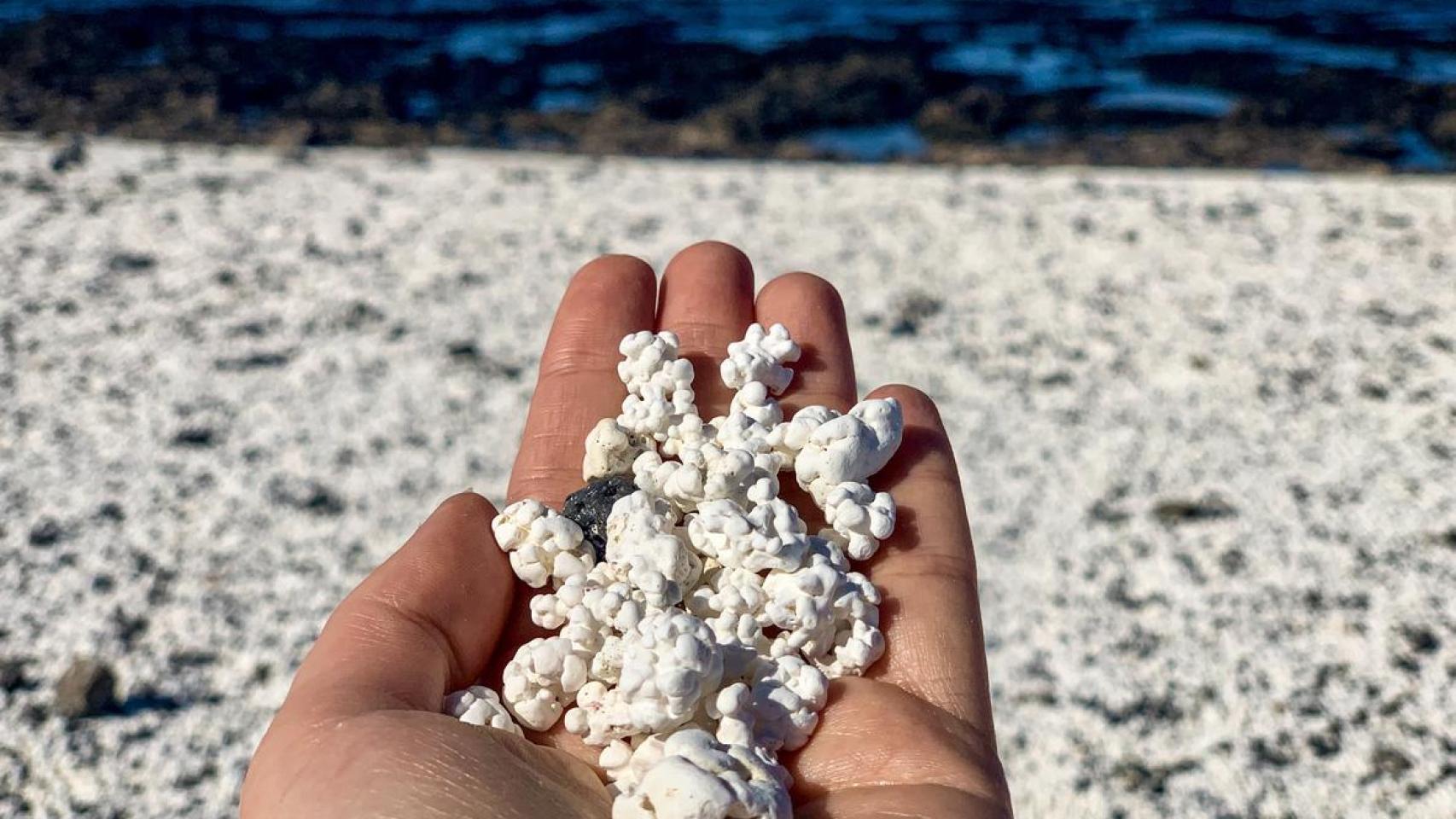
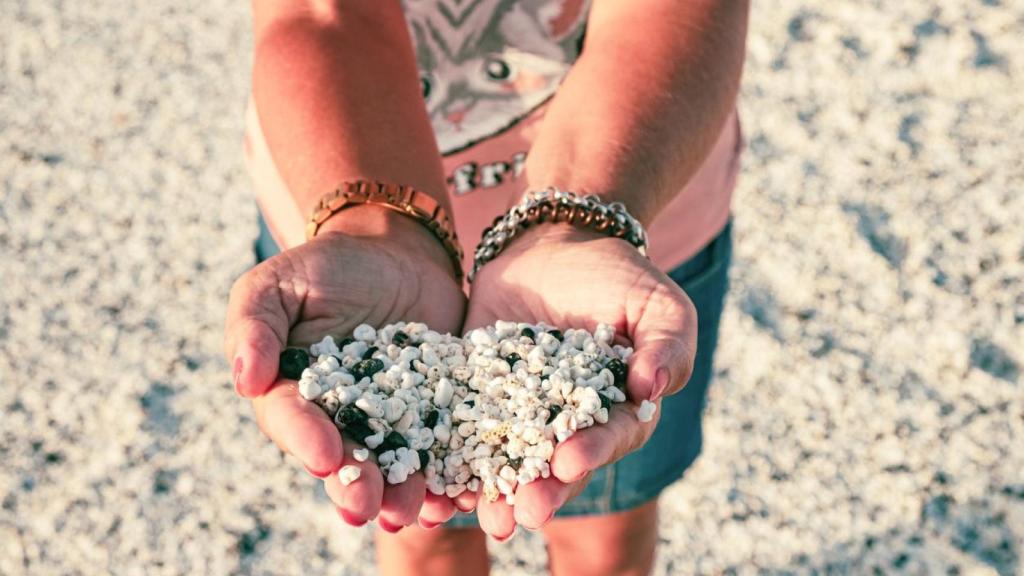
Named after the peculiar formations dotting its sandy floor that resemble popcorn, Playa de las Palomitas is home to rodolitos, a specific type of calcareous algae. These algae are remarkable in their ability to deposit calcium carbonate within their cell walls, giving them a tough, rigid structure. Over time, they weather and evolve into the charming white popcorn-like formations scattered around the beach.
The Rise of Popularity
While the beach has always been stunning for its unique features and the characteristic beauty of the Canary Islands, strange circumstances arose a few years back when its popularity surged dramatically. The culprit? A viral hashtag: #PopCornBeach, which ignited a flurry of social media posts showcasing the beach and attracting a wave of tourists eager to see it for themselves.
This sudden influx, initiated by a single viral post, transformed this quaint Canarian beach into one of Fuerteventura’s main attractions, escalating environmental concerns regarding the integrity of this enchanting locale.
Ecological Importance of the Rodolitos
Beyond their visual appeal, rodolitos serve pivotal roles in marine ecosystems. Their natural formation, a process that takes centuries, is shaped by the relentless ebb and flow of ocean waves and currents. Moreover, they provide habitats for a variety of marine species, fostering the growth and stability of coral reefs.
The ecological value of Playa de las Palomitas cannot be overstated. However, its newfound fame imperils its delicate balance. Despite strict prohibitions against removing rodolitos from the beach, many ignorant visitors disregard this rule, unknowingly contributing to the degradation of a fragile ecosystem.
Sustainable Enjoyment of Nature
While basking in the beauty of Playa de las Palomitas is undoubtedly a delight, ensuring its preservation for future generations is essential. Access to the beach may not be straightforward, but enjoying its wonders responsibly is possible. Simple guidelines can help minimize our impact:
- Avoid collecting rodolitos: Taking these unique formations not only diminishes the beach’s allure but also harms its ecological fabric.
- Practice responsible tourism: Staying on marked pathways and following local guidelines contributes to the preservation of this unique environment.
By adhering to these principles, we can help safeguard the magic of Playa de las Palomitas, allowing everyone to continue appreciating this ecological wonder.