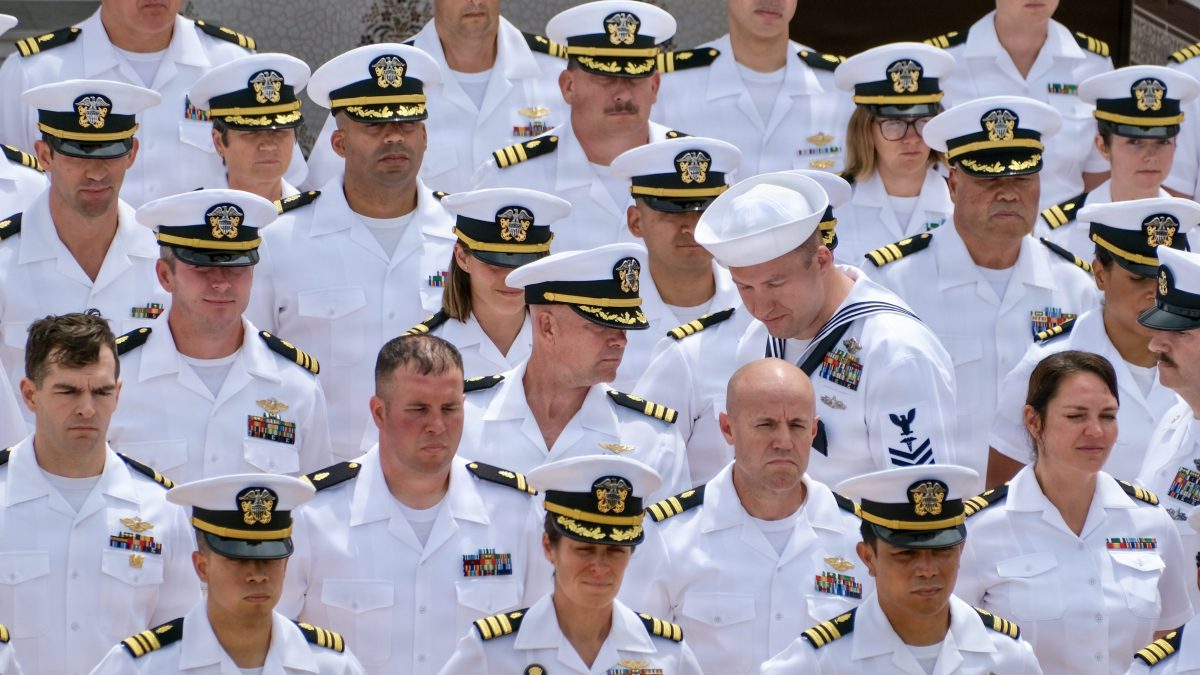
The Navy’s Innovative Approach to Recruiting Tech Talent
In a bold move to modernize its ranks, the U.S. Navy is launching a new initiative aimed at attracting civilian professionals from fast-evolving fields like artificial intelligence and cybersecurity. This effort, known as the Navy Reserve Executive Innovation Pilot Program, seeks to fast-track these individuals into service as Reserve officers, with some potentially achieving ranks as high as captain.
A New Path for Tech Professionals
The Navy’s initiative is designed to recruit accomplished industry experts who can bring their specialized knowledge to the military. By offering direct commissions, the Navy aims to fill critical roles within its new Navy Innovation Unit, which focuses on leveraging cutting-edge technology to solve complex challenges. This program is particularly appealing to those in the tech sector, as it allows them to maintain their civilian careers while serving part-time in a military capacity.
Ranks and Responsibilities
Upon commissioning, these officers will hold ranks ranging from ensign (O-1) to captain (O-6), a significant leap for civilians, especially those entering at higher ranks. Traditionally, captains in the Navy have extensive military experience, often nearing two decades of service. However, this program acknowledges the unique skills that tech professionals bring to the table, allowing for a more flexible approach to military leadership.
Once commissioned, these officers will not undergo the traditional Officer Candidate School. Instead, they will attend Officer Development School in Newport, Rhode Island, where they will receive training focused on leadership, naval operations, and military ethics. This five-week course is tailored to equip direct commission officers, such as doctors and lawyers, with the necessary skills to thrive in their roles.
Flexible Service Structure
The Navy’s plan to integrate these tech-savvy officers into its ranks is not just about filling positions; it’s about creating a flexible and innovative work environment. Officers in the Navy Innovation Unit will work remotely and be part of a “nationally distributed team.” Their schedules will be adaptable, allowing them to balance their civilian jobs with military responsibilities. This flexibility is crucial for attracting top talent from the tech industry, where work-life balance is often a priority.
Mission Objectives
The mission of these officers will revolve around three primary objectives: serving as subject matter experts on technology applications, collaborating in small teams to test rapid prototypes and solutions, and acting as advisors to senior leaders on emerging tech trends. This multifaceted role emphasizes the importance of civilian expertise in addressing the Navy’s most pressing challenges.
Targeting High-Tech Talent
The Navy is specifically looking for candidates with backgrounds in high-tech fields. This includes expertise in artificial intelligence, data science, robotics, software engineering, and cybersecurity. Additionally, the program seeks individuals with business acumen, particularly those experienced in venture capital or defense acquisition. This diverse skill set is essential for fostering innovation within the Navy and ensuring that it remains competitive in an increasingly tech-driven world.
Learning from the Army’s Example
The Navy’s initiative mirrors similar efforts by the Army, which has successfully integrated tech professionals into its ranks through direct commissioning programs. The Army’s Detachment 201 has already seen tech executives commissioned as lieutenant colonels, showcasing the military’s recognition of the value that civilian expertise brings to national defense.
Ethical Considerations
As part of the commissioning process, officers will be required to submit financial disclosures and complete ethics training, ensuring that they adhere to the highest standards of integrity. While the Navy has not yet clarified whether similar requirements will apply to its new officers, the emphasis on ethical conduct is a critical component of military service.
A New Era of Military Innovation
The Navy’s approach to recruiting tech talent represents a significant shift in how the military views civilian expertise. By embracing innovation and flexibility, the Navy is positioning itself to tackle the challenges of modern warfare and national security. This initiative not only opens doors for tech professionals but also enhances the Navy’s capabilities in an increasingly complex global landscape.
In summary, the Navy’s new program is a forward-thinking strategy that acknowledges the importance of integrating civilian expertise into military operations. As the initiative unfolds, it will be interesting to see how these tech-savvy officers contribute to the Navy’s mission and adapt to their unique roles within the military framework.