Rising Dolphin Mortality in Fuerteventura: A Concern for Local Wildlife
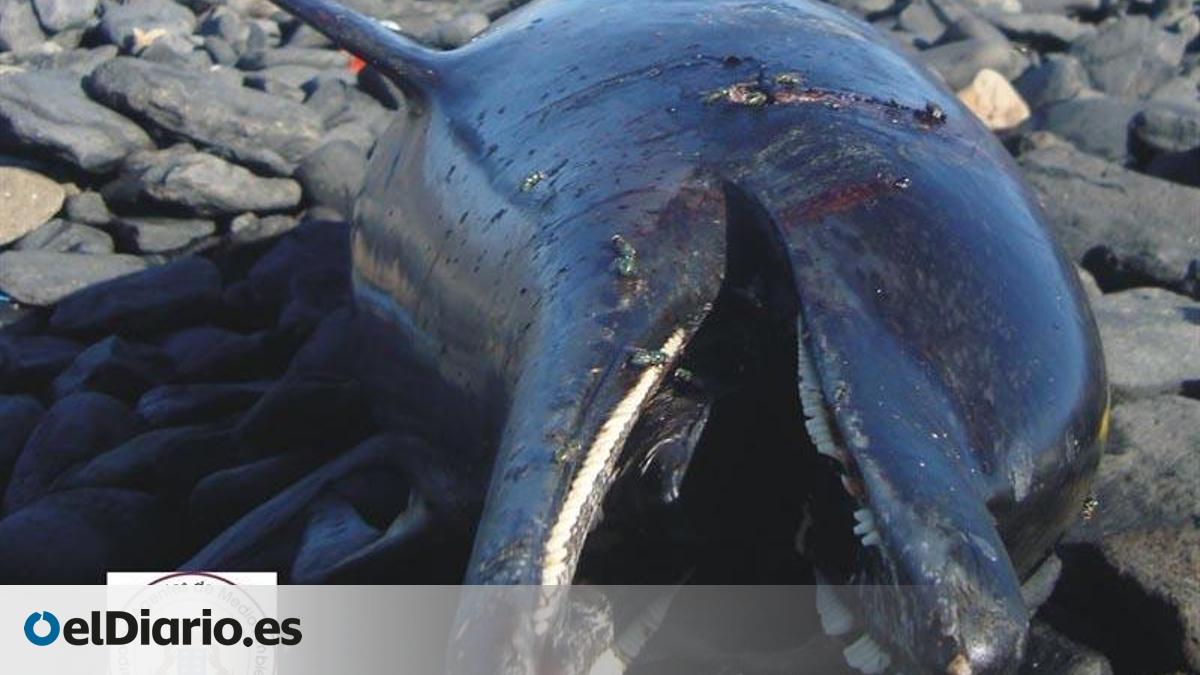
Recent events on the shores of Fuerteventura have sparked alarm as a total of six dolphins have been discovered dead in just two months. The local authorities, specifically the Cabildo of Fuerteventura, reported two more dolphin carcasses on Tuesday, highlighting an unsettling trend that has many environmentalists concerned.
The Latest Find
The latest casualties include a spotted dolphin found in Jandía, in the southern region of the island, and a bottlenose dolphin located in Puerto del Rosario. Initial examinations have revealed no obvious signs of death for either marine mammal, which raises questions regarding their untimely demise. Local citizens have played a crucial role in reporting these discoveries, with one resident alerting emergency services about a dolphin in a neighborhood near El Charco.
Details of the Dolphins
The bottlenose dolphin (Tursiops truncatus) discovered in El Charco measured approximately 1.27 meters and weighed around 30 kilograms. Meanwhile, the spotted dolphin (Stenella frontalis), retrieved from Caleta del Tigre, was more sizable at 1.80 meters and weighed between 80 and 100 kilograms. Both animals underscore the diverse dolphin population inhabiting Fuerteventura’s waters, making these findings even more troubling.
Authorities Take Action
Following the distressing discoveries, the Cabildo’s Environmental Agents quickly removed the animal bodies. The fallen dolphins will undergo analysis by the Institute of Animal Health Research to uncover any potential causes of death. Such studies are critical in understanding whether environmental factors could be at play.
Environmental Concerns
Natalia Évora, the Environmental Councillor of the Cabildo, has expressed her concerns regarding the unusual number of dolphin deaths, particularly as these incidents align with oil exploration activities off the coast of Fuerteventura that began in late November. “We have seen six dead cetaceans in a short period, and it coincides with ongoing oil drilling,” she stated, emphasizing the potential ecological implications.
While the relationship between the oil explorations and the dolphin deaths has not been definitively established, Évora echoed a sentiment of caution, noting, “We cannot rule out the possibility of a connection.” The locational pattern of the stranded animals—primarily along the Sotavento coastline, which is adjacent to the drilling locations—fuels apprehension.
A Call for Scientific Inquiry
Évora further stressed the importance of scientific deduction in this matter. “It is ultimately up to scientists to determine whether there is a causal relationship between the oil explorations and these unfortunate incidents,” she articulated. As the investigations progress, the local community and environmentalists remain on alert, hoping for answers.
The situation has garnered attention not only for its immediate ecological implications but also for the broader concerns regarding the planning of resource extraction in delicate marine environments. The deaths of these dolphins not only shed light on the health of the marine ecosystem around Fuerteventura but also signal the urgent need for responsible environmental stewardship.
The spotlight on these incidents illustrates a palpable intersection of wildlife conservation and industrial development, raising essential questions about future practices that may impact both the natural and local human communities. As conversations continue around this unfolding narrative, the local authorities remain committed to seeking answers that will protect both the dolphins and the fragile marine ecosystem of Fuerteventura.
 "A Sanctuary with Prime Views of Lobos Island")
