As Fuerteventura continues to attract investors, efforts to preserve its unique natural landscapes are becoming increasingly important.
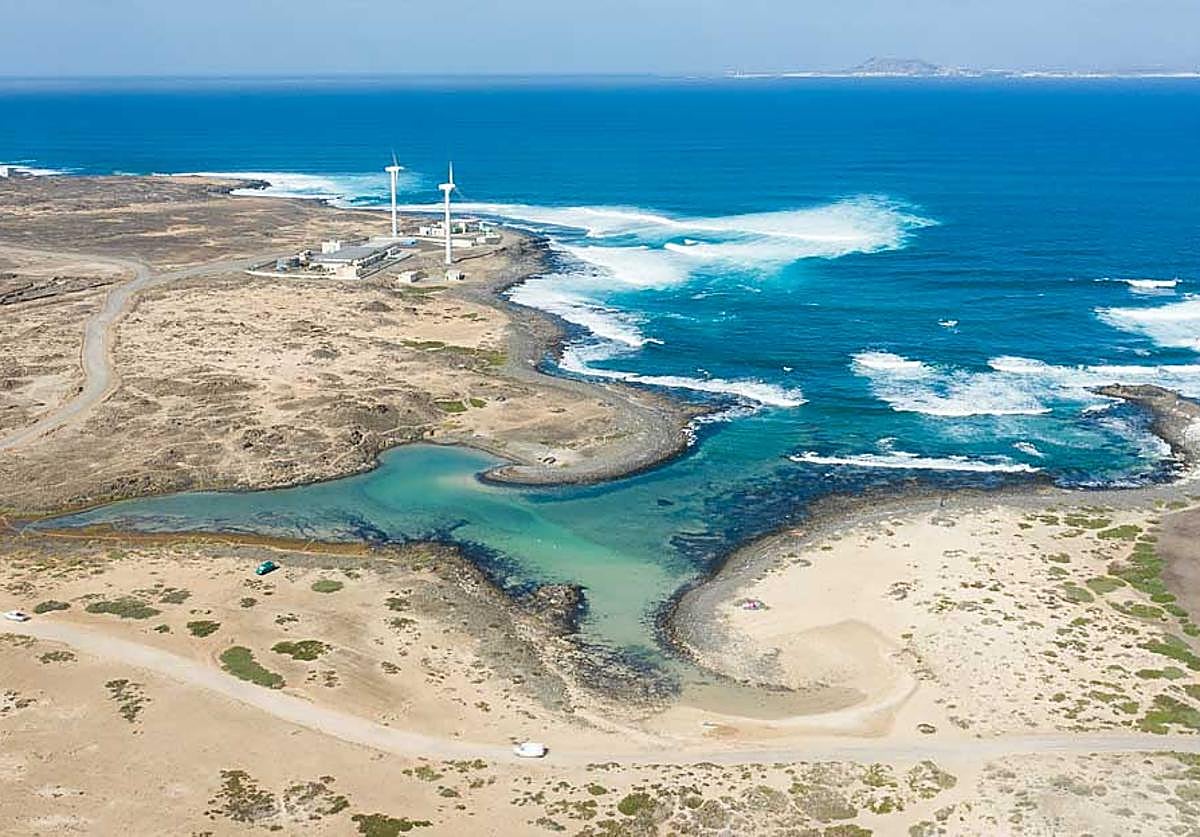
On the outskirts of Corralejo, in the municipality of La Oliva, the Bristol Charco salt flat is on the verge of being designated a Site of Scientific Interest (SIC). This future protected area, measuring 29.49 hectares, lies adjacent to urban development on one side and the facilities of the Canarian Water and Agricultural Fund (CAAF) with its two wind turbines on the other.
The proposed site is home to a remarkable diversity of life, hosting 69 plant species and 89 bird species, many of which are either protected or threatened. The Insular Board of Protected Natural Spaces has approved a positive report on this proposal, which originated from the La Oliva City Council. The next step will involve forwarding the protection initiative to the Government of the Canary Islands for a formal decree.
President Lola García emphasizes the “urgent need” to safeguard this area, which boasts significant natural values and unique features. She highlights the necessity of preserving it from threats like pollution, invasive species, and urban expansion, while also promoting awareness of its environmental significance among residents.
At the opposite end of the island, in the municipality of Pájara, lies Fuerteventura’s first designated Site of Scientific Interest: the Jandía salt flat, located on El Matorral beach. The Pájara City Council was proactive in its conservation efforts, beginning as early as 1994.
As interest in property investment rises in Fuerteventura, the balance between development and environmental conservation becomes crucial for sustainable growth.
Image credit: www.canarias7.es
Source: www.canarias7.es.
Curated by Fuerteventura Times Real Estate Desk.

