Rethinking Al-Andalus: The Significance of Cerro de la Virgen de Calasparra
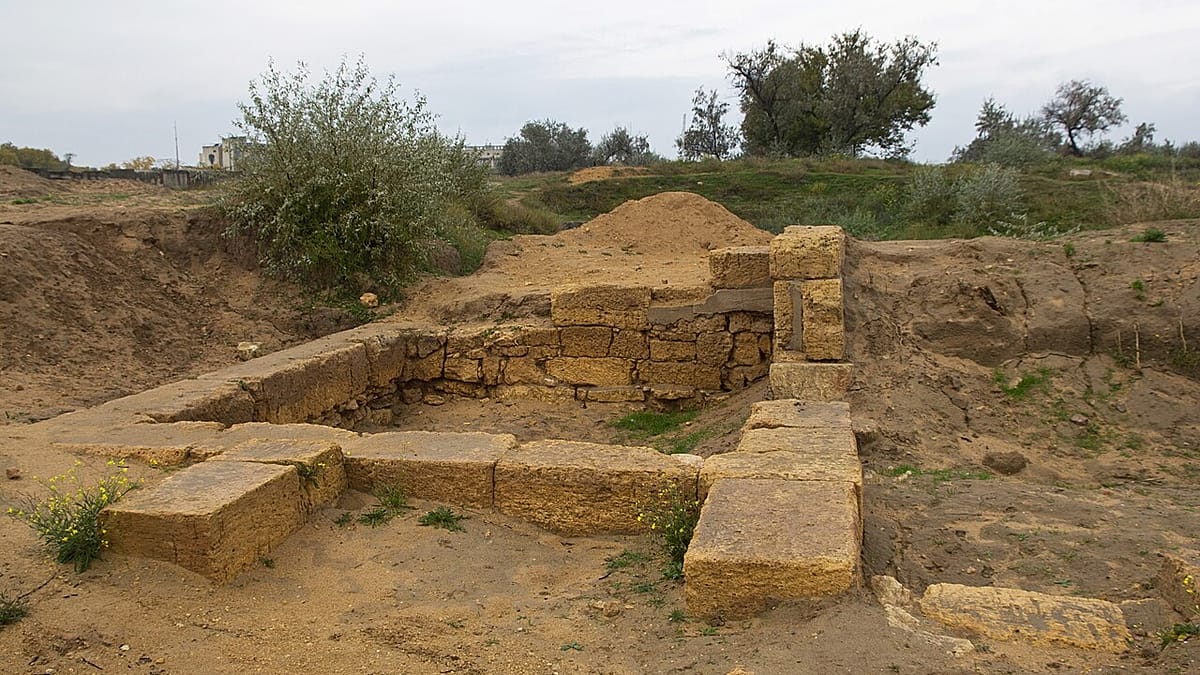
In the northwest of Murcia, a hill known as Cerro de la Virgen de Calasparra is challenging long-held beliefs about the early centuries of Al-Andalus. Recent excavations have uncovered an early Christian church that not only survived the Muslim conquest of 713 but continued to function for nearly two centuries thereafter. This discovery is prompting historians to reconsider the narrative surrounding the transition from Visigothic to Moorish rule in the Iberian Peninsula.
A Historical Gem
The findings, detailed in a study published in the scientific journal Salduie by researchers David Martínez and Rubén Fernández, reveal that the church was established around the first half of the 5th century. Remarkably, it appears to have maintained its religious significance until at least the 9th century. If confirmed, this timeline would provide compelling evidence of the continuity of Christian worship during the early years of Muslim occupation.
The church itself is described as a single-nave structure with a tripartite chancel, a design reminiscent of certain “late antique” churches. The researchers draw parallels with Visigothic churches, such as Santa Cristina de Lena in Asturias, and even suggest similarities with ecclesiastical architecture in Syria. This connection highlights the shared architectural practices across the Mediterranean during late antiquity.
The Age of the Church
Radiocarbon dating places the construction of the church between 410 and 440 AD. This dating is supported by ceramic and stratigraphic analyses, which indicate a prolonged occupation of the site. Previous excavations had already drawn attention to the area, particularly after the discovery of an early Christian bronze lamp shaped like a eucharistic dove, a rare find in Europe.
However, the most striking aspect of the recent research is not merely the church’s age but its survival post-conquest. Historical narratives have often depicted the arrival of Moorish troops as a decisive break from Visigothic traditions. The findings at Calasparra suggest a more nuanced reality.
Continuity Amid Change
The researchers assert that there is no evidence to suggest that the church was converted into a mosque or that it lost its religious function immediately after the conquest. Instead, they argue that the presence of domestic items, such as cooking pottery, should not be interpreted as signs of desacralization. Rather, these materials indicate that the church continued to serve as a space for community practices that included both worship and resource management.
The study emphasizes that the church retained its liturgical character well into the 9th century. This continuity can be contextualized within the framework of the kūra of Tudmīr, an administrative entity established after the pact signed in 713 between Muslim authorities and the Visigothic nobleman Theodemir. This agreement allowed many Christian communities to maintain aspects of their political, religious, and economic structures in exchange for paying taxes.
Economic and Religious Interplay
Taxation emerges as a crucial element in understanding the significance of Cerro de la Virgen. Among the artifacts recovered from the site are scales, weights, and other objects associated with economic control and tax collection. Notably, one weight bears an Arabic inscription that translates to “justice belongs to God,” underscoring the church’s role in the fiscal mechanisms of the new Andalusi power.
The strategic location of the church, overlooking vital communication routes and local agricultural resources, transformed it into a center for territorial and economic organization. The Christian community that utilized the church was not merely a religious entity; it was also integrated into the broader fiscal and commercial networks established by the Islamic state.
A Complex Transition
The findings at Calasparra provide valuable insights into the process of islamization in the Iberian Peninsula. Rather than a swift replacement of populations or institutions, the transition appears to have been characterized by decades of adaptation, coexistence, and gradual transformation. The Christian population found itself navigating two converging dynamics: the growing capacity of the Andalusi state to reorganize territory and extract taxes, and the opportunities for social and legal accommodation that islamization presented.
The study posits that the eventual decline of these Christian communities did not result from violent expulsion or destruction by Moorish forces. Instead, it was a slow process of integration into the new Andalusi society. The ecclesiastical hierarchy struggled to maintain the favorable agreements established at the time of the conquest, while the increasing centralization and efficiency of fiscal structures, coupled with the urban allure of Córdoba, eroded the foundations of churches, monasteries, and Christian elites.
A Window into the Past
More than 13 centuries later, the ruins of Cerro de la Virgen de Calasparra offer a fresh perspective on one of the most pivotal periods in the history of the Iberian Peninsula. They suggest that the transition from the Visigothic world to Al-Andalus was, in many respects, far more gradual, negotiated, and complex than previously assumed. This archaeological site not only enriches our understanding of the past but also invites us to reconsider the narratives that have shaped our historical consciousness.