The Economic Impact of Major Summer Events in Southern Europe
Introduction
As summer approaches, the allure of vibrant festivals, concerts, and sporting events draws millions of tourists to Southern Europe. A recent study by The Data Appeal Company, utilizing its Data Appeal Mabrian travel intelligence platform, reveals that these major events significantly boost tourist spending in countries like Spain, Italy, France, and Greece. Despite representing less than 1% of all scheduled events, these happenings account for a staggering 51% of additional tourist expenditure during the summer months.
Forecast and Methodology
The research forecasts that from May to September 2026, these four Mediterranean nations will see an influx of EUR 3.7 billion (approximately $4.2 billion) in supplementary tourist spending. The study meticulously evaluated various factors, including the number of events, types, audience sizes, and the incremental spending by visitors who travel specifically for these occasions. This comprehensive approach provides a clear picture of how summer events impact tourism.
Event Categories and Attendance
Diving deeper into the data, concerts emerge as the leading category, comprising 38.5% of all summer events analyzed. France stands out with performing arts events making up 43.5% of its offerings, although these events tend to attract smaller crowds and generate less revenue compared to other types. Music and sports events, on the other hand, draw the largest audiences across the region.
The breakdown of attendance reveals that festivals account for 38.6%, concerts 22.2%, and sports events 28%. Notably, exhibitions and trade fairs also attract considerable interest, particularly in Greece, where they represent 34% of attendance, followed by Italy at 14.4% and France at 12.8%.
Food and Beverage Sector Impact
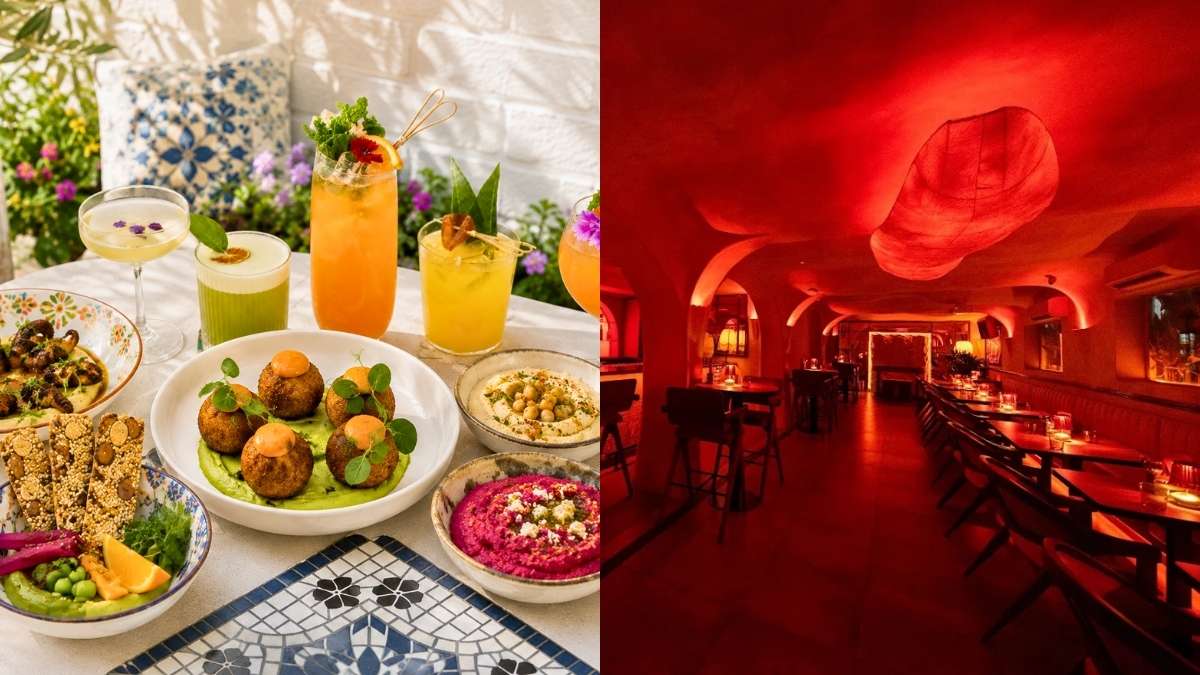
The economic implications extend beyond just ticket sales. The food and beverage industry plays a crucial role in capitalizing on the influx of tourists. On average, restaurants and similar establishments capture 52% of event-related incremental tourist spending. For high-spending categories like sports, festivals, and concerts, food and beverage outlets receive between 44% and 58% of visitor expenditures. Community events have an even more pronounced effect, with nearly two-thirds of associated tourist spending directed toward food and drink establishments.
Optimal Timing
Timing is essential for maximizing economic benefits. The report identifies June and July as the “Window of Profitability,” a period when destinations can achieve an optimal balance between event frequency and tourist spending. By scheduling events during this window, destinations can enhance economic returns before the peak summer demand, alleviating pressure during the busiest holiday periods.
Carlos Cendra, Chief Marketing Officer at Data Appeal, emphasizes the need for destination managers to transition from mere event programming to a more strategic approach. By leveraging data, destinations can identify which types of events yield the highest tourism impact and schedule them to optimize economic returns, support local businesses, and better manage visitor flows throughout the year.
Event Size and Strategy
The research also highlights the importance of event scale in driving economic benefits. Tier 1 events—those expected to attract the highest attendance and tourist spending—generate over half of the event-related tourist expenditure, despite making up less than 1% of all summer events. Coordinating these major events with the Window of Profitability can help destinations maximize economic advantages while maintaining residents’ quality of life.
Conversely, Tier 2 events account for 43% of summer happenings. While they may attract fewer attendees, they still offer significant spending potential. These smaller events can enhance tourism revenue while enabling more sustainable visitor management, making them an attractive option for less prominent destinations.
Conclusion
The insights from this study underscore the profound impact that major summer events have on tourism and local economies in Southern Europe. By understanding the dynamics of event types, timing, and audience engagement, stakeholders can make informed decisions that not only boost economic performance but also enrich the cultural fabric of these vibrant destinations.