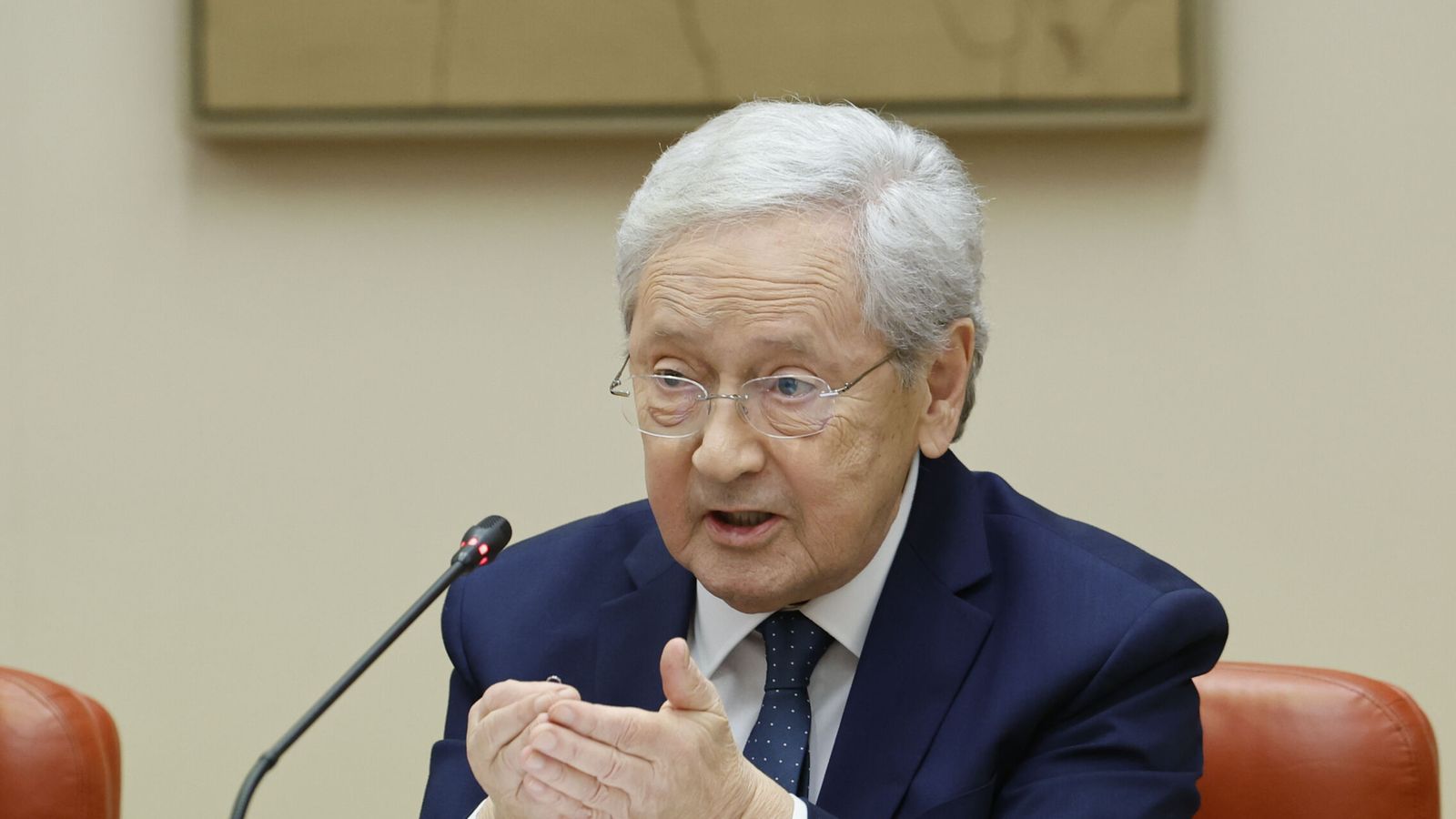
The Departure of Fernando Ónega: A Reflection on His Impact on Spanish Journalism
The recent departure of Fernando Ónega has resonated deeply within Spanish society, marking the end of an era for journalism in the country. His name is inextricably linked to pivotal moments in Spain’s recent history, particularly during the tumultuous years of transition from dictatorship to democracy. Ónega was not just a journalist; he was a voice of reason and a beacon of trust in a time when Spain was navigating its new identity.
Early Beginnings and Rise to Prominence
Fernando Ónega’s journey into journalism began at a remarkably young age. After leaving the seminary, he found his footing in the regional press, contributing to El Progreso de Lugo. His early articles showcased a keen interest in cultural life, often featuring interviews with visiting artists. This initial foray into journalism laid the groundwork for his distinctive style, which would later captivate audiences nationwide. Colleagues and readers alike quickly recognized his talent, and it wasn’t long before he became a household name.
A Voice During the Spanish Transition
During the Spanish Transition (Transición Española), Ónega emerged as one of the most respected chroniclers of the era. His work reached millions, and his analyses were marked by a remarkable balance. In a time rife with political upheaval, his commentary was devoid of unnecessary emotion, allowing readers to form their own opinions based on facts. As noted by El Confidencial, his ability to maintain neutrality during heated political debates earned him the trust of a diverse audience, spanning various generations and political ideologies.
Ónega’s influence extended beyond mere reporting; he played a crucial role in shaping public understanding of significant events. His approach to journalism served as a guiding light for young professionals entering the field. He didn’t just report the news; he contextualized it, helping the public grasp its implications for the future of the nation. This transformative impact can be likened to cultural initiatives that breathe life into communities, such as a local hair salon in Madrid that became a vibrant hub for musicians and residents, as highlighted in an article about an unusual flamenco center in the capital.
Legacy and Recognition
The news of Ónega’s passing has prompted an outpouring of memories and tributes from colleagues and readers alike. Many have reflected on how his voice symbolized trust and professionalism in Spanish journalism. In recent years, he took on the role of president at 65YMÁS, where he continued to mentor young writers and share his wealth of experience. His death has ignited discussions about the evolving role of media in contemporary Spain and the shifting dynamics of society’s relationship with information.
The loss of prominent figures in journalism is not a new phenomenon in Spain. Each departure serves as a catalyst for introspection regarding professional values and the challenges that lie ahead for the media. The public discourse surrounding these events often centers on the future of independent press and the vital need to maintain public trust in an era characterized by rapid change.
A Growing Interest in Historical Context
In recent years, there has been a noticeable surge in interest among Spaniards regarding the history and personalities that have shaped modern Spain. The passing of influential journalists like Ónega invariably sparks significant public reaction, prompting discussions that extend beyond professional standards. These conversations delve into how society perceives information and the core values that must endure in the face of evolving media landscapes.
As Spain reflects on the contributions of figures like Fernando Ónega, it becomes increasingly clear that the future of journalism is intertwined with the principles of integrity, objectivity, and trust. The legacy of such journalists serves as a reminder of the essential role they play in fostering an informed and engaged citizenry.