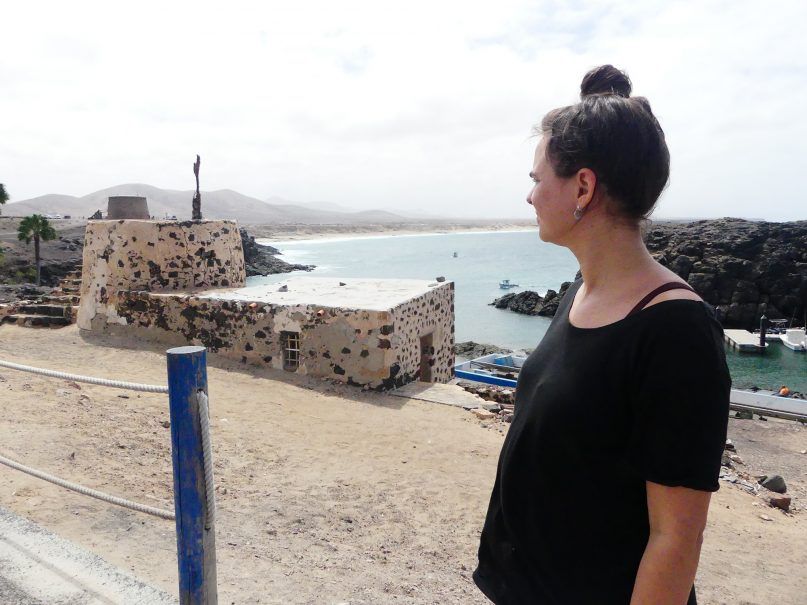
The Transformation of El Cotillo: A Rising Concern
Nestled in the northern part of Fuerteventura, the picturesque village of El Cotillo is experiencing a striking transformation. Historically a quaint fishing community, it now grapples with the effects of tourism and gentrification. With 2,500 tourist accommodations available, the disparity is stark: just 1,730 residents officially inhabit the area. This translates to about two inhabitants for every three tourist beds, highlighting the burgeoning divide between local needs and tourist interests.
The Impending Development Plan
The future is set to bring more change, as a new General Urban Planning (PGO) is on the horizon. This plan aims to facilitate construction between El Cotillo and its neighboring village, El Roque. While proponents may see this as an opportunity for economic growth, critics raise concerns about the potential neglect of local residents’ needs. Such developments could amplify the existing tourist influx while diminishing the unique character of the village.
The Rise of Affluent Residents
Aceysele Chacón, the spokesperson for Drago Canarias in Fuerteventura, sheds light on a worrying trend: an influx of affluent residents who purchase properties worth around €300,000 in cash. This shift points to a broader issue of wealth disparity within El Cotillo. “Every day, more people with high purchasing power arrive, driving up artificial housing prices,” Chacón explains. This escalation isn’t confined to housing; it extends to prices in supermarkets and local businesses, making daily life increasingly difficult for longtime residents.
The Human Cost of Gentrification
One of the most concerning consequences of this economic shift is the displacement of local workers. Chacón reveals that many workers, who once formed the backbone of the community, now live in vans and caravans due to skyrocketing housing costs. “We are facing one of the biggest dramas in the entire archipelago,” she states. These hardworking individuals serve affluent tourists but struggle to afford basic shelter, illustrating a severe imbalance in the community’s priorities.
The Lack of Regulation
A contributing factor to El Cotillo’s mounting issues is the absence of a robust General Urban Planning (PGO). The current leadership does not have a clear strategy for sustainable development, allowing uncontrolled construction that fails to address the needs of residents. Chacón emphasizes the urgency of developing a plan that incorporates community feedback and prioritizes environmental preservation and cultural identity.
Leadership and Sensitivity to Community Needs
Interestingly, the local government is spearheaded by a mayor who is also a real estate agent, raising questions about the decision-making processes in El Cotillo. Chacón highlights an alarming aspect: “The future PGO is set to allow construction between El Cotillo and El Roque, showcasing a lack of sensitivity from our leaders towards the local territory.” This intertwined relationship between governance and real estate interests could spell trouble for the community’s future.
Summary of Challenges
In light of these developments, the villagers of El Cotillo find themselves at a crossroads. The allure of tourism is undeniable, but the social consequences are hard to overlook. As affluent newcomers reshape the landscape, the voices of longstanding residents must not be drowned out. Achieving a balance between tourism and community welfare remains a complex but necessary challenge, making the future of El Cotillo uncertain yet fascinating.
With its charming beaches and rich histories slowly giving way to luxury villas and tourist accommodations, El Cotillo stands as a microcosm of broader societal trends—one that begs for careful consideration and responsible planning to safeguard its future.