Unlocking the Potential of Fuerteventura: The Rise of Sustainable Startups
Catalyzing economic growth through eco-friendly innovation and local resilience.
In recent years, Fuerteventura has transformed into a vibrant hub for sustainable businesses, attracting entrepreneurs eager to contribute to a greener future. The island’s unique environment, coupled with its commitment to sustainability, has fostered a flourishing entrepreneurial ecosystem. From renewable energy solutions to organic farming initiatives, startups are capitalizing on local resources while promoting eco-conscious practices that resonate deeply with both residents and visitors.
This entrepreneurial boom is not just about profit; it also underscores a collective shift towards social responsibility. Innovators are harnessing the island’s natural beauty as a backdrop for their ventures, creating products and services that not only thrive commercially but also protect Fuerteventura’s precious landscapes. Initiatives such as eco-tourism and sustainable fashion showcase how businesses can harmoniously blend profitability with preservation, setting new standards for what it means to operate within a fragile ecosystem.
As Fuerteventura continues to attract like-minded entrepreneurs, the island’s economy stands to benefit immensely. The rise of these startups bolsters job creation, fosters community engagement, and enhances the overall appeal of the destination. With an increasing number of consumers seeking environmentally responsible options, the foundation laid by these innovative enterprises is poised to pave the way for a transformative economic landscape where sustainability becomes synonymous with success.
Source: Gobierno de Canarias.
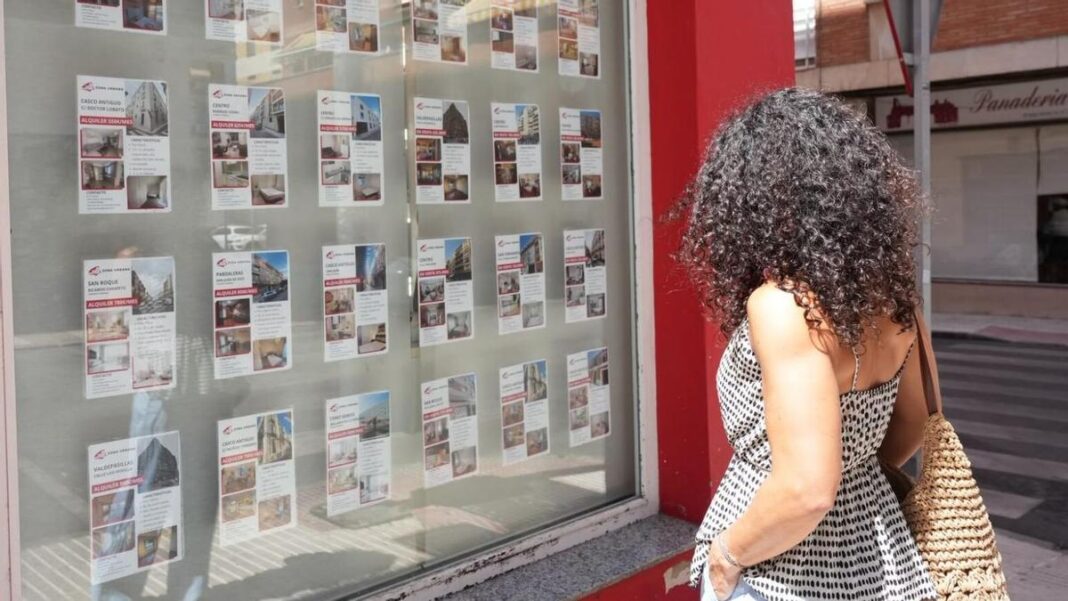
Finding an apartment to rent is “crazy.” This is how real estate agent Pablo Picasarri describes it, and that the lack of residential supply turns the search for a home into a complete odyssey for those who access real estate portals and come face to face with exorbitant prices. The truce to this situation depends, precisely, on increasing the available properties. And it seems that the Archipelago is beginning to move forward on this path: in recent months an increase in the number of homes for rent has been detected (in the residential or long-stay modality, it is worth insisting). In total, the offer has incorporated 2,444 rental properties compared to the end of the previous year. A fact that, although positive, is not enough, however, to reduce prices even slightly. The Rental Observatory barometer counts 35,800 houses on offer for residential lease in the Islands, compared to the 33,356 registered at the end of 2025. The rebound is modest compared to the 22,099 houses that have disappeared from this market since 2021, but they mark a change in trend. Picasarri also perceives this variation in his daily activity: “There is up to 50% more supply in, for example, Las Palmas de Gran Canaria,” he says, although he warns that “prices have remained the same.” Its appreciation of the capital market reflects a greater availability of apartments, but the (huge) demand is still enough to keep rents rising. In fact, the barometer puts figures on this pressure: each apartment announced in the Canary Islands gathers an average of 110 interested potential tenants in just ten days. This ‘queue’ that forms on real estate platforms reflects the competition to access an apartment and helps explain why the increase in supply has not yet translated into cheaper rentals. Less tourist offer This evolution coincides with a decline in vacation rentals, an activity that has experienced strong growth in the Islands in recent years and which now faces greater regulatory demands. In just five years, more than 13,000 homes were added to this market, reaching more than 50,000 in the Archipelago. But the shortage of residential supply, the problems of coexistence in some areas and the rejection of part of the population were the main arguments of the Administrations to try to contain this expansion. The approval of regional regulations in November 2025, together with the measures promoted by the State, has modified the conditions under which owners operate. Consequently, data from the Canarian Institute of Statistics (Istac) indicates that in August 2026 there were 40,837 holiday homes available on the Islands, compared to 47,127 in the same month of the previous year. There are 6,290 fewer, a decrease of 13.3%. Therefore, there is also a decline in income, which went from 116.6 million euros to 107.1 million. However, these figures do not allow us to attribute the entire drop to greater regulation or determine how many of these properties have been incorporated into long-term leases. But one thing is clear, and that is that there are more houses with the capacity to go on the market for rent or purchase. Now, Picasarri insists that the withdrawal of a home from the tourist market does not imply its entry into the residential market. As he explains, part of the withdrawals respond to difficulties in meeting the new administrative requirements, “whether due to ignorance, management problems or failure to meet deadlines,” he points out. In other cases, the owners value the difference in income between both modalities or even prefer to sell. Therefore, the reduction in vacation advertisements does not necessarily correspond to a change in the general use of real estate. ‘Maricarmen Decrees’ Added to this scenario is now the uncertainty surrounding what are known as ‘Maricarmen decrees’. The barometer data corresponds to September and does not yet allow us to measure the effect of the latest announcements, such as the intention of the Government of Pedro Sánchez to carry out both texts taking advantage of the Permanent Deputation, but the real estate agent already observes caution among those who planned to put a house on the market. According to his experience, doubts weigh especially heavily when an owner must decide whether to sign a new contract. Picasarri explains that this decision depends, to a large extent, on the financial needs of each owner. “In the case of vacation homes, there are also owners who need the income to maintain their household finances,” says the specialist. At the same time, there are those who choose to wait to know the scope of the measures. The proximity of the elections adds, in his opinion, another reason to postpone the decision, and some end up putting the property up for sale. The agent cites the case of a couple who, after their tenant’s contract ended, decided to sell the house instead of renting it again. According to him, both told him that they preferred to avoid the concerns generated by the new political scenario. It is one of the decisions that he observes in his work and that, if it spreads among the owners, could stop the incipient recovery of the residential rental supply.Subscribe to continue reading
Originally reported by www.laprovincia.es, rewritten by the Fuerteventura Times AI Editorial Desk.