Transforming History: The Memorialization of Tefía in Fuerteventura
A Significant Decision by the Spanish Government
On February 26, 2026, Spain took a monumental step in recognizing and honoring a painful chapter of its history. The government declared the former Agricultural Penitentiary Colony of Tefía, located in Fuerteventura, as a Lugar de Memoria Democrática. This designation is particularly poignant, as the site was once a forced labor camp notorious for incarcerating homosexuals during the dictatorship, affecting around 100 individuals.
Historical Context of the Tefía Colony
The Tefía facility served as a grim reminder of the oppression faced by the LGBTQ+ community under the Franco regime. Men were imprisoned simply for expressing their sexual orientation—an act that, in the eyes of the authorities at that time, was deemed a “crime.” The place where these men were forced to work is now being transformed into a site of remembrance, intending to educate future generations about the consequences of intolerance and repression.
The Inauguration Ceremony
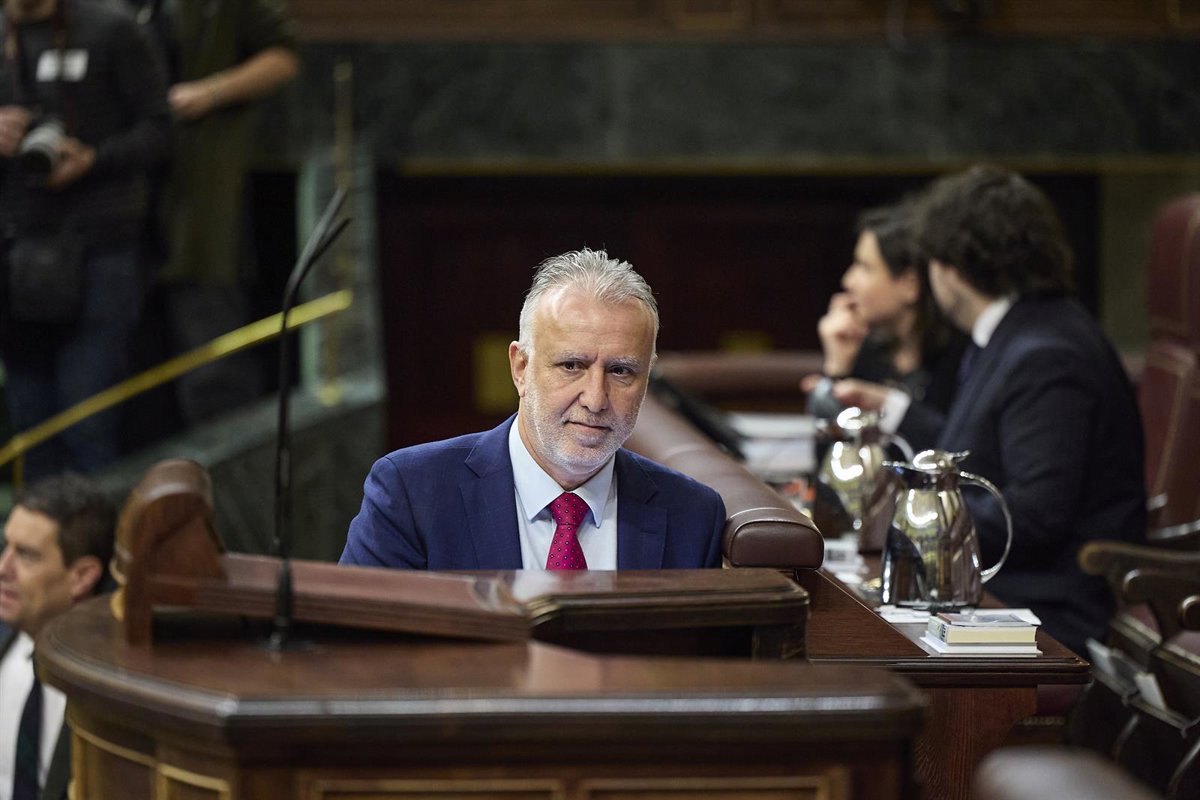
The inauguration of this memorial was marked by a solemn ceremony attended by various dignitaries, including Minister of Territorial and Democratic Memory, Ángel Víctor Torres; President of the Canary Islands, Fernando Clavijo; and several other key figures in civil rights. During the event, ten acknowledgments of recognition and reparations were presented to victims and prominent members of the LGBTQ+ movement.
Minister Torres emphasized the significance of the occasion by stating, “Today, we are fulfilling a historical debt to those who defended their sexual orientation.” His words resonate not only with those affected by past injustices but also with advocates for human rights and dignity today.
Reflections on Human Rights and Freedom
During his speech, Torres conveyed a powerful message about the importance of liberation and acceptance. He noted that understanding the history of repression allows young people today to realize how fortunate they are to live in a more accepting society. “To love whom you want, regardless of gender, is a cherished freedom,” he asserted.
This thoughtful acknowledgment serves as a reminder that true freedom encompasses the right to express one’s identity without fear of persecution. The shift from oppression to acceptance is a journey that many still strive to complete across various societies.
Financial Support for Educational Initiatives
As part of the transformation process, the Spanish government has committed an initial fund of €100,000 alongside the Cabildo de Fuerteventura to support the development of an interpretation center. This center aims to educate visitors about the harrowing experiences faced by those who were imprisoned at Tefía. It will serve not only as a memorial but as an educational space where stories of resilience and human rights advocacy can thrive.
A Step Forward in LGBTQ+ Rights
The establishment of Tefía as a Lugar de Memoria Democrática is not just a form of restitution to those who suffered; it also symbolizes Spain’s commitment to acknowledging its historical mistakes and promoting a more inclusive future. It stands as a testament to the importance of remembering past atrocities to prevent their recurrence.
In summary, the memorialization of the Tefía site encapsulates a broader narrative of human rights, tolerance, and the ongoing fight for equality. By honoring the past, Spain is paving the way toward a more inclusive society for all its citizens.