Addressing Odor Issues in Puerto del Rosario
The municipality of Puerto del Rosario has recently completed a groundbreaking initiative aimed at eliminating unpleasant odors from its Wastewater Pumping Stations (Estaciones de Bombeo de Aguas Residuales, EBARs). This ambitious project, implemented by the concessionaire Canaragua, marks a significant technological advancement for the region.
A Leap Towards Sustainable Solutions
In a formal announcement, the local government described this project as an “innovative deodorization system through ozonation,” which effectively replaces the previous method. This new approach addresses a critical aspect of wastewater management while prioritizing sustainability. The government aims not just to minimize odors but to ensure that the solutions put in place are environmentally friendly.
The Ozone Advantage
Natividad Marcial, manager of Canaragua, provided insight into the workings of this modern solution. “The system generates ozone on-site, a potent natural deodorizer,” she explained. This eliminates the need for consumables such as activated carbon. Not only is this approach more robust, but it is also eco-friendly and offers lower operational costs over time. Marcial expressed satisfaction with the project’s results, asserting that it validates Canaragua’s commitment to innovation aimed at benefiting the community and promoting sustainability.
Meeting Community Needs
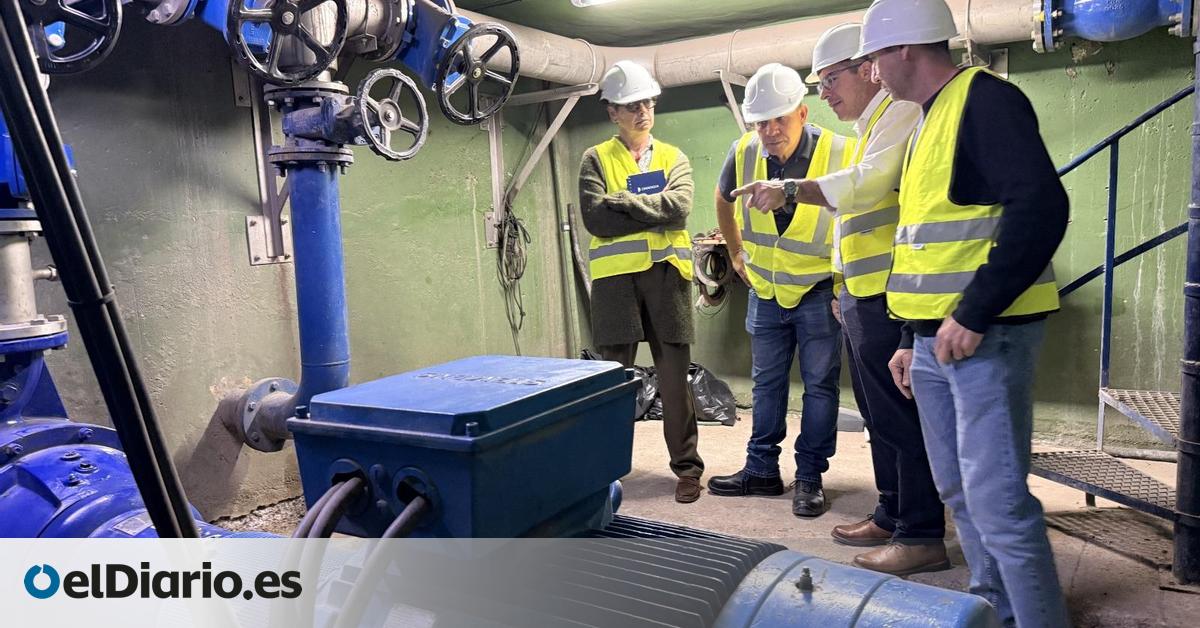
David de León, the municipal councilor for municipal services, underscored the significance of addressing an age-old issue in sensitive urban areas. The upgrade has been particularly impactful at the EBAR Playa de los Pozos, a facility crucial due to its strategic location. The new ozonation system boasts greater efficiency than the previous activated carbon method; additionally, it operates autonomously and generates no waste. The immediate results speak for themselves, with a notable reduction in odors, significantly enhancing the environment for residents and visitors in areas like Calle Vascongadas and El Matorral. De León indicated plans to extend this solution across other stations in the municipality.
Community Engagement as a Focus
Puerto del Rosario’s mayor, David de Vera, emphasized the importance of listening to residents and taking action based on their feedback. “Eliminating unpleasant odors near essential infrastructures like pumping stations directly affects daily life,” he noted. To that end, the government invested in cutting-edge technology that showcases the effective collaboration between public and private sectors.
Progress and Performance
The local government reported that the first phase of this initiative is already operational in 50% of the scheduled stations, yielding highly satisfactory results in odor elimination. This positive outcome reflects a commitment to improving community living conditions while embracing modern technology.
Modernized Infrastructure
The upgraded EBARs include Playa de los Pozos, Vascongada, Hondura Disa, and Matorral Residencial. The project not only revolved around the ozonation system but also encompassed a comprehensive overhaul of the mechanized equipment involved (pumps, electrical systems, and generators) to enhance service reliability and continuity.
Through these efforts, Puerto del Rosario is taking significant strides in improving public health and environmental quality, reflecting a broader commitment to sustainable urban management.