The Alarming Impact of Touristic Development in El Cotillo
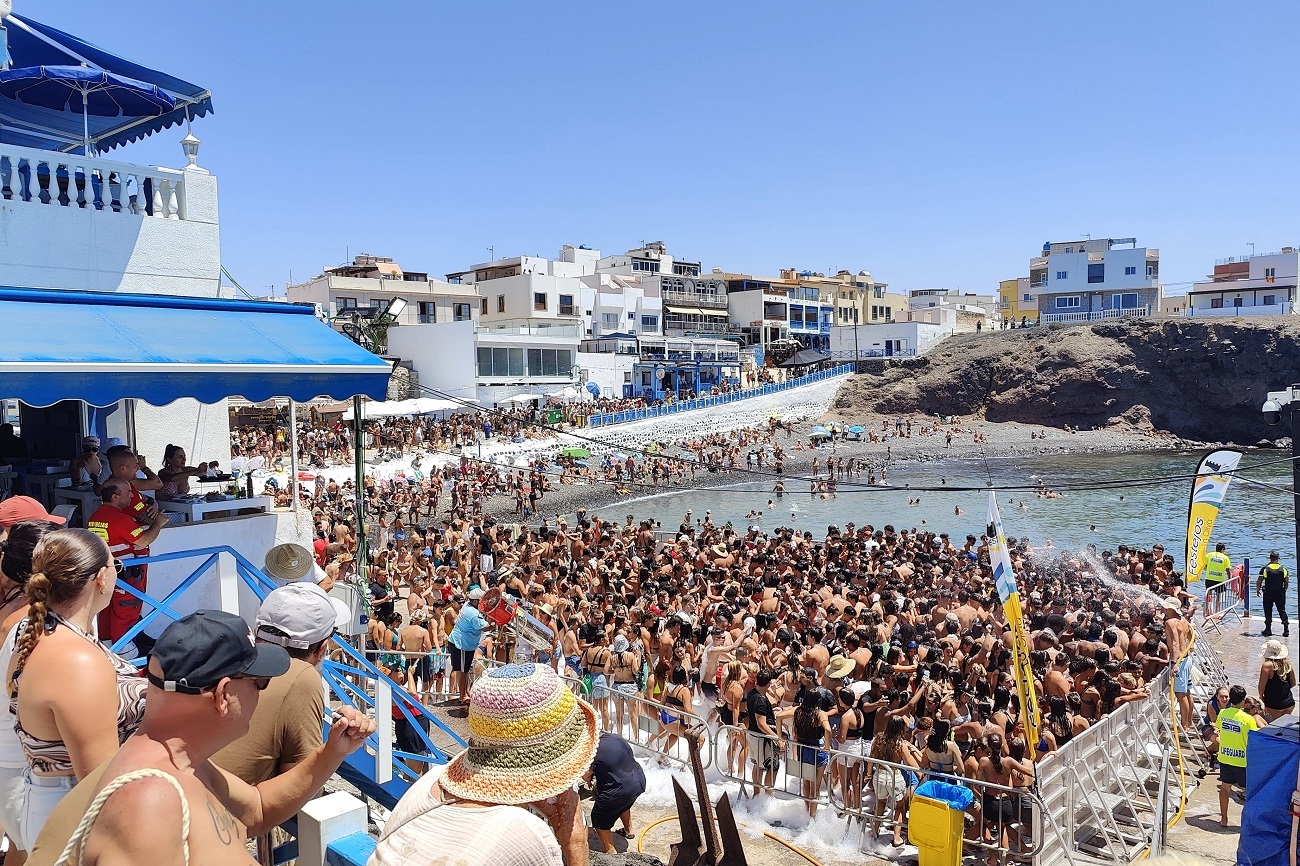
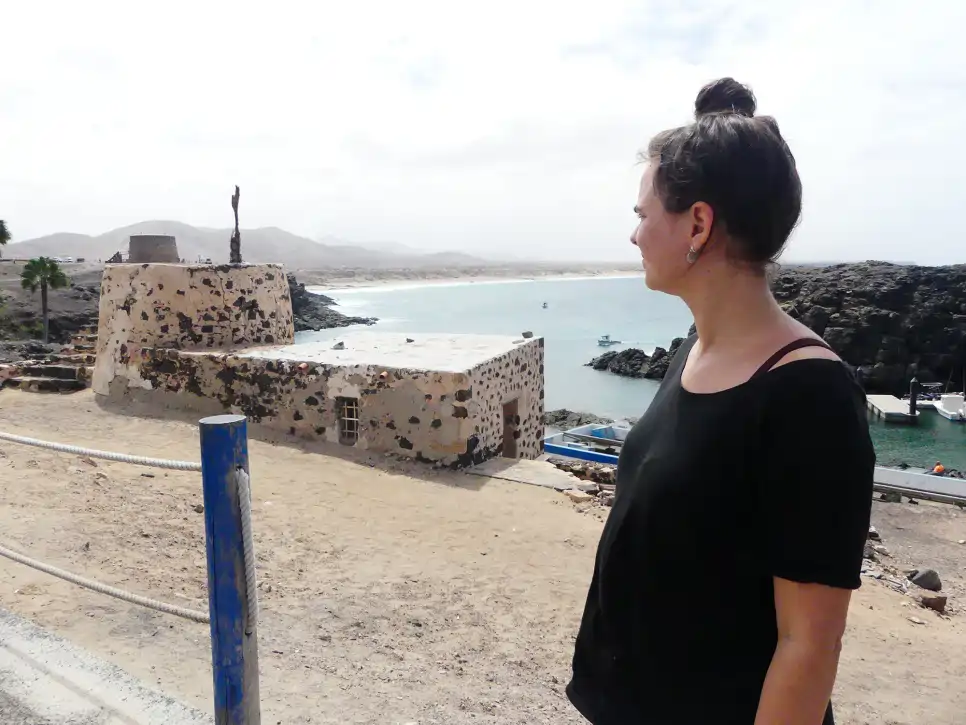
Nestled on the picturesque island of Fuerteventura is the once quaint fishing village of El Cotillo. Today, however, it faces rapid transformation due to an explosion of tourist development. Drago Canarias, a local advocacy group, has raised significant concerns about the rising phenomenon of touristification, warning that the very essence of El Cotillo is under threat.
The Discrepancy Between Residents and Tourist Accommodations
El Cotillo’s population reality is striking. Currently, there are approximately 2,500 tourist accommodations available, contrasting sharply with only 1,730 registered residents. This translates to an overwhelming ratio of two inhabitants for every three tourist beds. Such imbalance suggests an inclination toward catering to transient visitors rather than sustaining the local community.
Historically, El Cotillo was a village forged by its residents—fishermen who built their homes, nurturing a sense of belonging and community. However, this architectural and cultural heritage has been increasingly overshadowed by an influx of luxurious holiday villas and vacation rentals, which cater primarily to tourists and affluent seasonal residents.
Voices from the Ground
Recent observations by Aceysele Chacón, the spokesperson for Drago Canarias in Fuerteventura, reveal the stark realities of this transformation. During a tour of the most affected areas of El Cotillo, Chacón highlighted a concerning trend: the replacement of the local populace with wealthier newcomers. “Increasingly, residents with high incomes are purchasing homes for around 300,000 euros outright,” she explained, “therefore artificially inflating prices.”
This inflation isn’t limited to real estate; the ripple effect extends to groceries, dining, and local commerce, making everyday life increasingly unaffordable for long-time residents. Chacón passionately articulated the impact of this phenomenon, stating, “Many hard-working individuals in El Cotillo are living in vans and caravans because their salaries can’t keep pace with the skyrocketing costs.” This poignant image reflects a broader narrative—the struggle of working-class residents serving wealthy tourists under financially unsustainable conditions.
The Underlying Causes
Examining the situation further, the absence of a comprehensive General Planning Model (PGO) for the municipality of La Oliva becomes a critical factor. A lack of structured urban planning has led to disorganized growth, disregarding the unique needs and desires of the local community. With no comprehensive framework in place, construction proliferates without regard for sustainable development or community welfare.
Chacón emphasizes the need for a PGO that embodies the voices of local residents. “It’s not merely a formality; it’s essential that we develop a planning model that prioritizes the preservation of our territory and authenticity as a community,” she asserted. As residents, their history, and their culture hang in the balance, the necessity for a well-considered planning strategy is more urgent than ever.
The Role of Local Leadership
The involvement—or lack thereof—of local leadership is paramount in this discussion. Currently, the mayor of La Oliva is an estate agent, raising questions about the motivations behind forthcoming developments. Rumors suggest that the future PGO might permit new construction between El Cotillo and nearby El Roque, which further exemplifies the insensitivity of current leadership toward the region’s unique landscape and community needs.
Chacón’s observations underscore a troubling disconnect between decision-makers and the realities faced by residents. “There seems to be a profound lack of sensitivity toward our territory,” she lamented, urging for awareness and change.
A Community at a Crossroads
El Cotillo stands at a critical juncture, where its future hangs in the balance between unbridled tourism and the protection of its unique identity. Advocacy groups like Drago Canarias are fighting for a strategy that resonates with the needs of residents, while also preserving the natural beauty and authenticity that attract visitors in the first place.
Through communal voice and organized action, there remains hope that this charming village can reclaim its narrative, focusing not only on economic growth but also on sustainable development and social equity—a challenge that resonates far beyond the shores of Fuerteventura.