Chronometric and Paleoenvironmental Analysis of the Junquillo Cave Aboriginal Shell Midden
In a significant advancement in the field of archaeology, scientists from the SIIM Research Group at the University of La Laguna are currently conducting a detailed study at the Junquillo Cave, one of the oldest archaeological sites on the island of Fuerteventura. This location, known for its extensive use as a marine food processing site, is believed to have been occupied from the 4th to the 5th centuries, and as recently as the 11th and 12th centuries.
Methodologies Employed in the Study
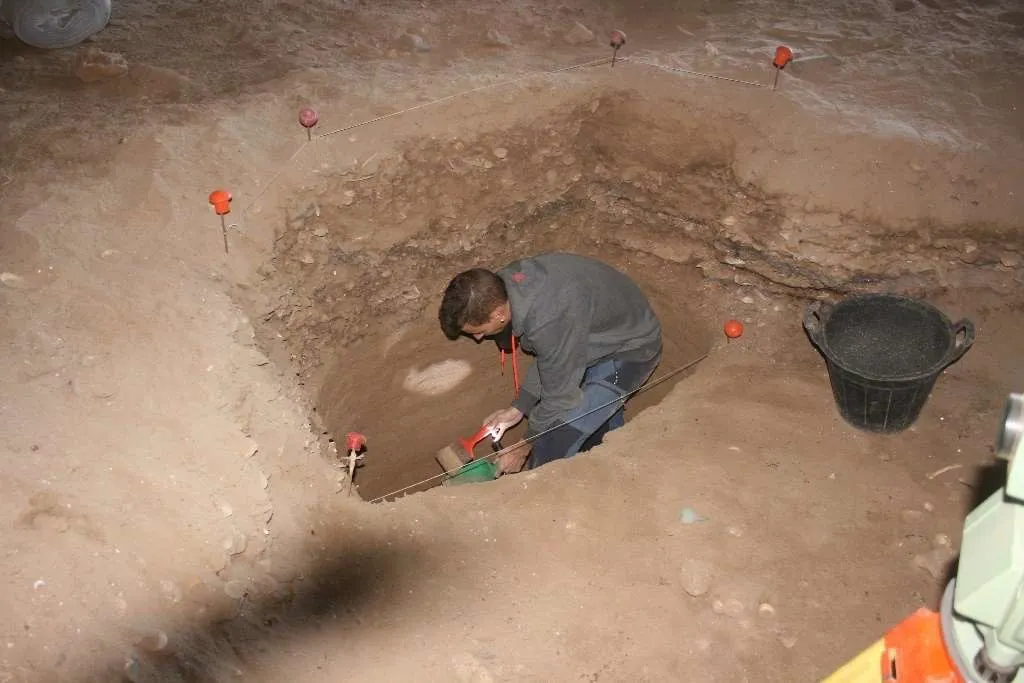
The ongoing research involves a comprehensive chronometric analysis, utilizing advanced techniques like radiocarbon dating and thermoluminescence to determine the age of archaeological sediments. These methods are crucial for establishing a timeline of activity within the cave, offering insights into the lives and practices of the aboriginal inhabitants.
In addition to the chronological studies, paleoenvironmental research is underway. This aspect focuses on identifying variations and characteristics of the biological environment during the periods of habitation, employing the latest technologies to uncover how ecological factors influenced the lives of those who once called the cave home.
Recent Developments and Findings
On a recent Wednesday, the results from core samples taken at the site, carried out by a specialized archaeological firm and supported by the Cabildo of Fuerteventura, were presented to the media. These findings have sparked considerable interest, showcasing the depth of historical significance tied to the Junquillo Cave.
Discovery of the Cave
The cave was discovered in 2019, measuring about eight meters long and one meter high, and containing an abundance of historical ceramic remains. Its discovery was prompted by a citizen report from Antonio Santana and Juan Olivares, who alerted authorities to illegal excavations taking place within the cave. This led to immediate action to assess and protect the archaeological integrity of the site.
Examinations revealed that the cave’s soil had been disturbed by unauthorized digging. Notably, the bottom of the excavated areas contained malacological material—shells and remnants indicative of marine consumption practices, further cementing the cave’s role in the region’s historical narrative.
Investigative Measures by the Cultural Heritage Department
Upon confirming the presence of such significant material, the Cultural Heritage Service of the Cabildo majorero launched an archaeological investigation aimed at elucidating the cultural importance of this site. The intent was also to facilitate its inclusion in the Island Archaeological Inventory.
The diligent efforts led to the extraction of a wide range of materials, including various forms of malacofauna, ichthyofauna, and decorated ceramic remnants that reflect the aboriginal culture of the region. This collection of artifacts highlights the cave’s role not merely as a dwelling but as an active site for processing marine foods.
Implications of the Findings
The materials retrieved from the Junquillo Cave offer tangible evidence confirming its use for the processing of marine food, reflecting a sophisticated understanding of resource utilization by its ancient inhabitants. Each artifact plays a pivotal role in piecing together the broader picture of indigenous life on Fuerteventura and enhances our understanding of their food-related practices and cultural significance.
In summary, the ongoing archaeological research at the Junquillo Cave serves to illuminate an important chapter in the historical narrative of the Canary Islands, merging advanced scientific techniques with deep cultural exploration. Through continued study, the site promises to reveal even more about the lives of those who once thrived in this coastal sanctuary.