Growing Concerns in Fuerteventura’s Livestock Sector: Iván Cabrera Speaks Out
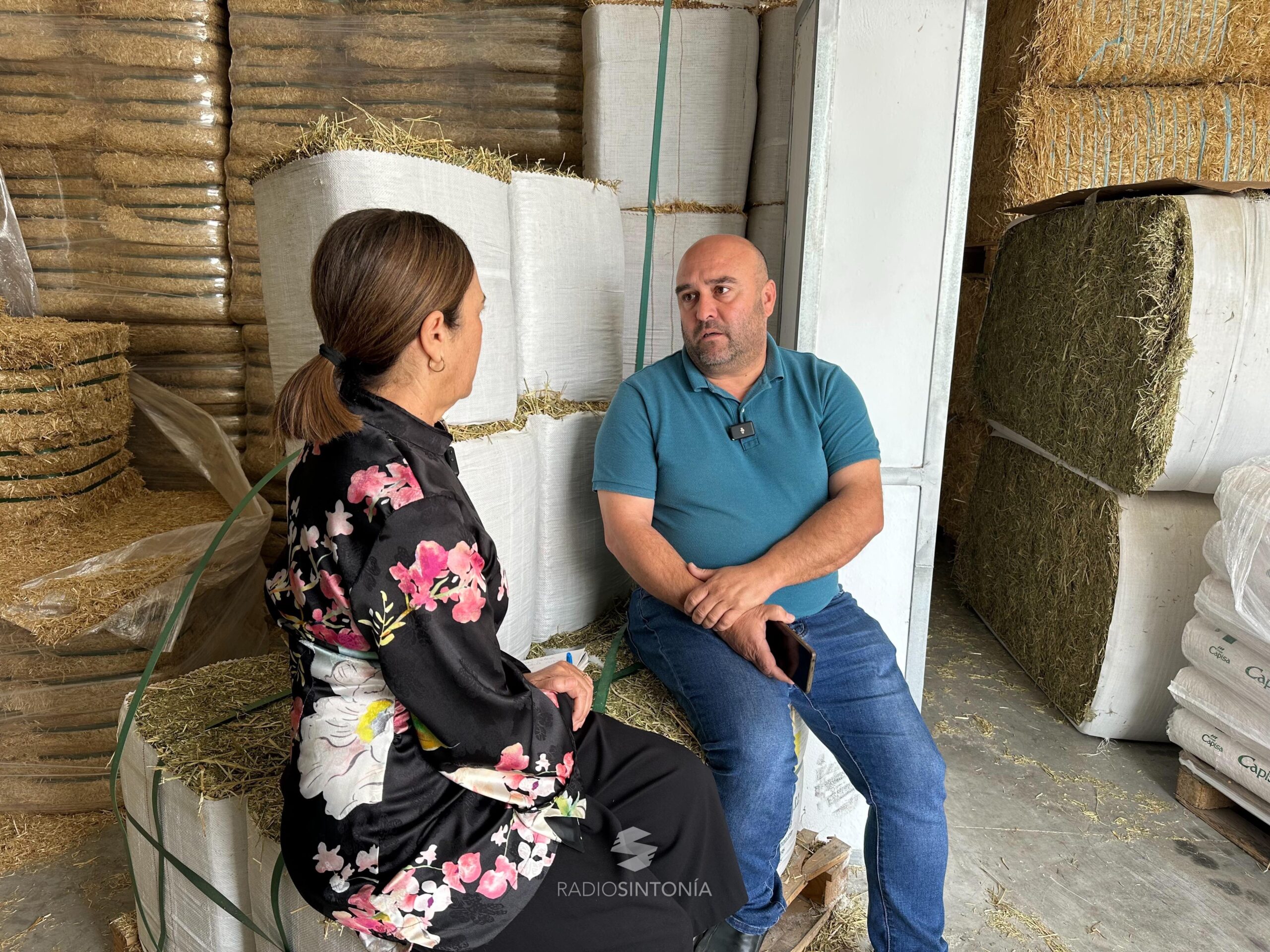
Iván Cabrera, presidente de la Cooperativa de Antigua-Radio Sintonía
In a recent episode of La Rosa de Fuerteventura aired on Radio Sintonía, Iván Cabrera, the president of the Antigua Cooperative, has raised alarm regarding imminent price increases affecting the livestock feed sector. Starting this Monday, suppliers will raise costs for containers and transport services for animal feed. This change stems largely from the escalating fuel prices linked to the ongoing conflict in the Middle East, which inevitably translates to higher expenses for agricultural producers in the region.
Cabrera noted the breadth of the cooperative’s reach, highlighting that it serves around 70 members and distributes a vast array of animal feed across Fuerteventura. Each week, they sell approximately 50,000 kilograms of food tailored for various animals, from goats to horses, indicating the cooperative’s critical role in local agriculture.
Immediate Economic Impact
The repercussions of these price hikes could be significant. Livestock farmers in Fuerteventura are on edge as increased costs may ripple through to consumer prices, ultimately affecting the local economy. Cabrera’s concerns come in stark reminder of the fragile state of the primary sector, which forms a backbone of the island’s traditional economy.
In response to these pressing issues, Lola García, the president of the Cabildo of Fuerteventura, convened a meeting with Narvay Quintero, the Minister for Agriculture, Livestock, Fishing, and Food Sovereignty of the Canary Islands government. They are preparing for a forthcoming session to discuss the situation in detail and explore potential support measures for the agricultural community.
A Collaborative Approach
The discussion between both administrations underscores the urgency to preemptively address looming price hikes and their potential impact. Fuerteventura’s unique challenges—such as its insular nature and the additional burden of ‘double insularity’—exacerbate vulnerabilities for farmers and producers, necessitating a proactive approach.
Innovations and Future Projects
Looking towards the future, the Antigua Cooperative is planning several exciting initiatives. One of the standout proposals includes establishing a small market focused on local, “zero-kilometer” producers, a concept that aligns with growing consumer demand for locally sourced products. This initiative stems from the suggestions of local farmers themselves, aiming to bolster the community while supporting small-scale agriculture.
Additionally, the cooperative has recently completed the first phase of renovations to its facilities. The second phase will see the construction of storage facilities designed to provide agricultural diesel for cooperative members, optimizing efficiency and reducing costs for local producers.
A Historical Perspective
The Antigua Cooperative holds a notable place in the history of the Canary Islands, having been established in 1951. Initially focused on tomato production starting in 1964, it later ventured into dairy products in the late ’80s and early ’90s. Eventually, it pivoted back to its current focus on livestock feed, adapting to the evolving needs of Fuerteventura’s agricultural environment.
Occupying over 2,000 square meters of land, with about half of that developed, the cooperative has consistently demonstrated resilience in the face of economic shifts and rising challenges for local farmers.
In light of these developments, it is evident that the cooperative will continue to play a crucial role in supporting the agriculture sector in Fuerteventura as it navigates a complex economic landscape marked by global pressures and local necessity.