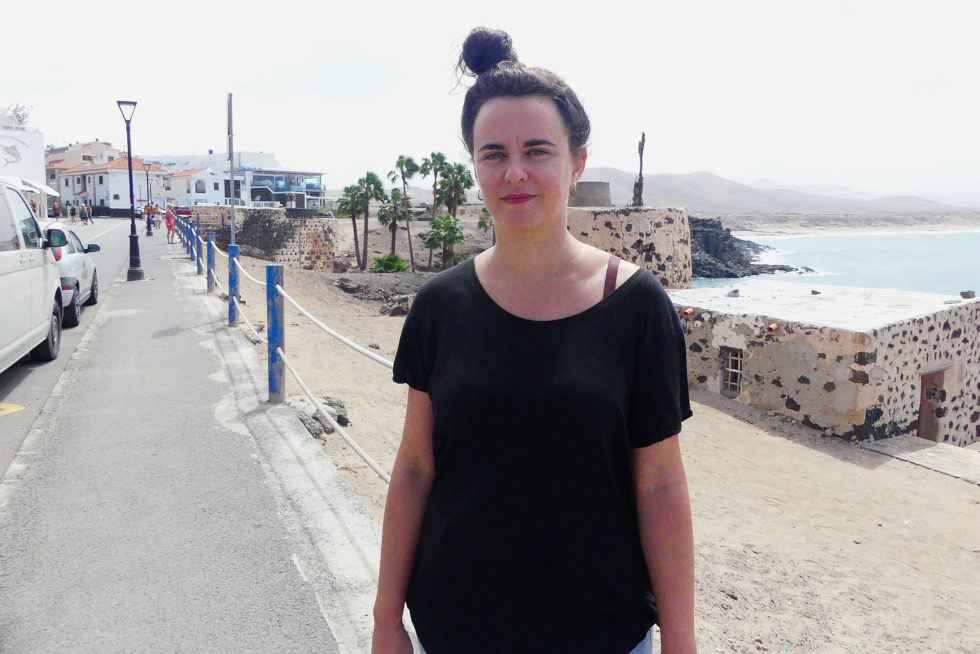
The Impact of Touristification on El Cotillo: A Community in Crisis
A Growing Disparity
Located in the municipality of La Oliva on the island of Fuerteventura, El Cotillo is experiencing a staggering level of touristification. The statistics speak volumes: there are currently 2,500 tourist accommodations available in a town where only 1,730 residents are registered. This alarming ratio translates to nearly two tourist beds for every local inhabitant, which amplifies concerns about the community’s future and its unique cultural identity.
From Fishermen’s Village to Resort Town
El Cotillo has a rich history as a fishing village, characterized by terraced homes built by local families. These simple, sturdy houses reflected the lifestyle and community spirit of the residents. However, the landscape has dramatically changed in recent years. Today, large blocks filled with vacation rentals and upscale villas have taken over, catering not just to tourists but also to affluent second-home buyers. This shift raises critical questions about the future of El Cotillo as a homely community.
The Voices of Dissent
During a recent tour through the most affected areas of El Cotillo, Aceysele Chacón, spokesperson for Drago Canarias in Fuerteventura, voiced her concerns over the ongoing demographic shift. She noted that more wealthy residents are flocking to the area, purchasing homes for upwards of €300,000 in cash. “As a result, prices are artificially driven up,” Chacón explained, emphasizing that this inflation affects not just housing but also the local supermarkets, bars, and shops.
The Struggle of Local Workers
One of the most poignant realities highlighted by Chacón is the precarious living situation of many local workers. “A considerable number of El Cotillo’s workers are living in vans and caravans,” she lamented. This scenario portrays a harsh irony: those serving the tourists and wealthy residents often find themselves unable to afford basic accommodations. The struggle magnifies the broader issue of economic disparity in the region, where salaries often fall short of meeting rental costs.
Lack of Planning Fuels the Crisis
Chacón attributes a significant part of this crisis to the absence of a General Planning Order (PGO) in La Oliva. Without such a framework, construction has been occurring in an uncontrolled manner, neglecting the needs and wishes of local residents. This lack of oversight results in developments that prioritize tourism over community well-being, contributing to the ongoing gentrification and loss of local identity.
A Call for Responsible Development
Addressing the need for a General Planning Order, Chacón insists that any new planning should prioritize local community input and the protection of the area’s unique attributes. “It’s not just about drafting a PGO; it’s about creating a vision that aligns with the desires of both residents and the preservation of our identity,” she said passionately.
Conflict of Interest in Leadership
Adding to the complexity of the issue, Chacón highlighted a troubling conflict of interest within local governance: the current mayor is a real estate agent. This relationship raises concerns over the potential for future developments to prioritize profit over community needs. Plans are reportedly underway to allow construction between El Cotillo and the nearby village of El Roque, a move that Chacón argues showcases the disregard of local leadership for the territory and its people.
The Way Forward
The challenges facing El Cotillo are emblematic of broader trends across the Canary Islands, where tourism-driven development has often come at the expense of local communities. Engaging in a more holistic and community-focused approach to development could be vital in preserving El Cotillo’s unique identity and ensuring that it remains a vibrant home for its current residents, rather than just another destination for transient visitors. By prioritizing sustainable growth and resident wellbeing, there is hope for a balanced future for this cherished community.
![[gpt_title] Write a natural, soulful, and wellness-driven headline (max 12 words) about Ayurveda, healing, or natural medicine. It should feel modern yet timeless — e.g., “The Science of Stillness,” “Nature’s Pharmacy,” or “Healing in the Everyday.” Avoid clickbait or sales tone. [/gpt_title]](https://hips.hearstapps.com/hmg-prod/images/44dcf2d2-42c6-4bdb-98a6-6d2dc901debd.jpeg?crop=1.00xw:0.752xh;0,0.166xh&resize=1200:* "[gpt_title] Write a natural, soulful, and wellness-driven headline (max 12 words) about Ayurveda, healing, or natural medicine. It should feel modern yet timeless — e.g., “The Science of Stillness,” “Nature’s Pharmacy,” or “Healing in the Everyday.” Avoid clickbait or sales tone. [/gpt_title]")
:format(jpg):quality(99):watermark(f.elconfidencial.com/file/0f2/6d9/13e/0f26d913e1b27ca111e62b656aa354da.png,0,275,1)/f.elconfidencial.com/original/af4/570/18f/af457018ff9a2d91d3fa015659350feb.jpg "Fuerteventura Celebrates the 5th Edition of Paladea, the Most Charming Food Fair in the Canary Islands")
