The Impact of Extreme Coastal Storms on Fuerteventura’s Localities
Fuerteventura, one of Spain’s beautiful Canary Islands, is facing increasing threats from extreme coastal storms. Key locations such as Puerto del Rosario, Morro Jable, Giniginámar, and Tarajalejo have emerged as areas of significant concern. These towns have been identified in recent studies for their vulnerability to the impacts of harsh marine weather, a topic brought to the forefront during the third Technical Environmental Conference in Fuerteventura.
The Significance of Coastal Areas
Jaime Díaz Pacheco, a physical geography professor from the University of La Laguna, shed light on the risks associated with extreme coastal phenomena in the Canaries. During the conference, he emphasized the importance of understanding how the powerful forces of the sea affect infrastructure. The project Implacost has been pivotal in this endeavor, providing comprehensive studies on how marine storms impact the coastline across the islands.
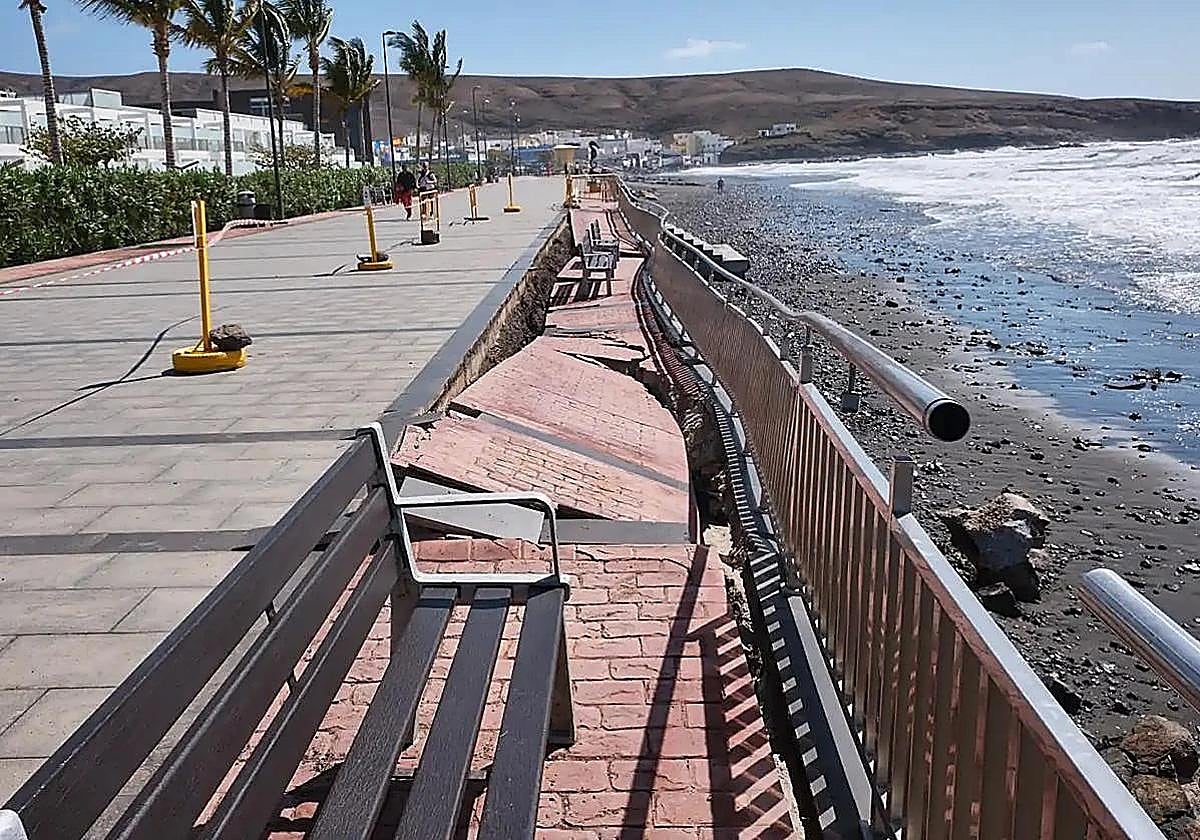
Notably, the coastal towns vulnerable to these extreme weather events are typically those with infrastructures that are directly exposed to ocean waves. This includes residential areas, coastal promenades, and other community structures. In Fuerteventura, the four mentioned localities are at the forefront of vulnerability, making them focal points for ongoing research and adaptation strategies in response to changing climate dynamics.
Focus of the Third Environmental Conference
The third edition of the Technical Environmental Conference centered around the impacts of coastal phenomena on the Canary Islands, compounded by shifts in climate. Experts from various environmental sectors gathered to discuss the pressing issues facing these coastal regions. Their findings underscore the critical need for ongoing research and discussions about adaptation measures and community resilience.
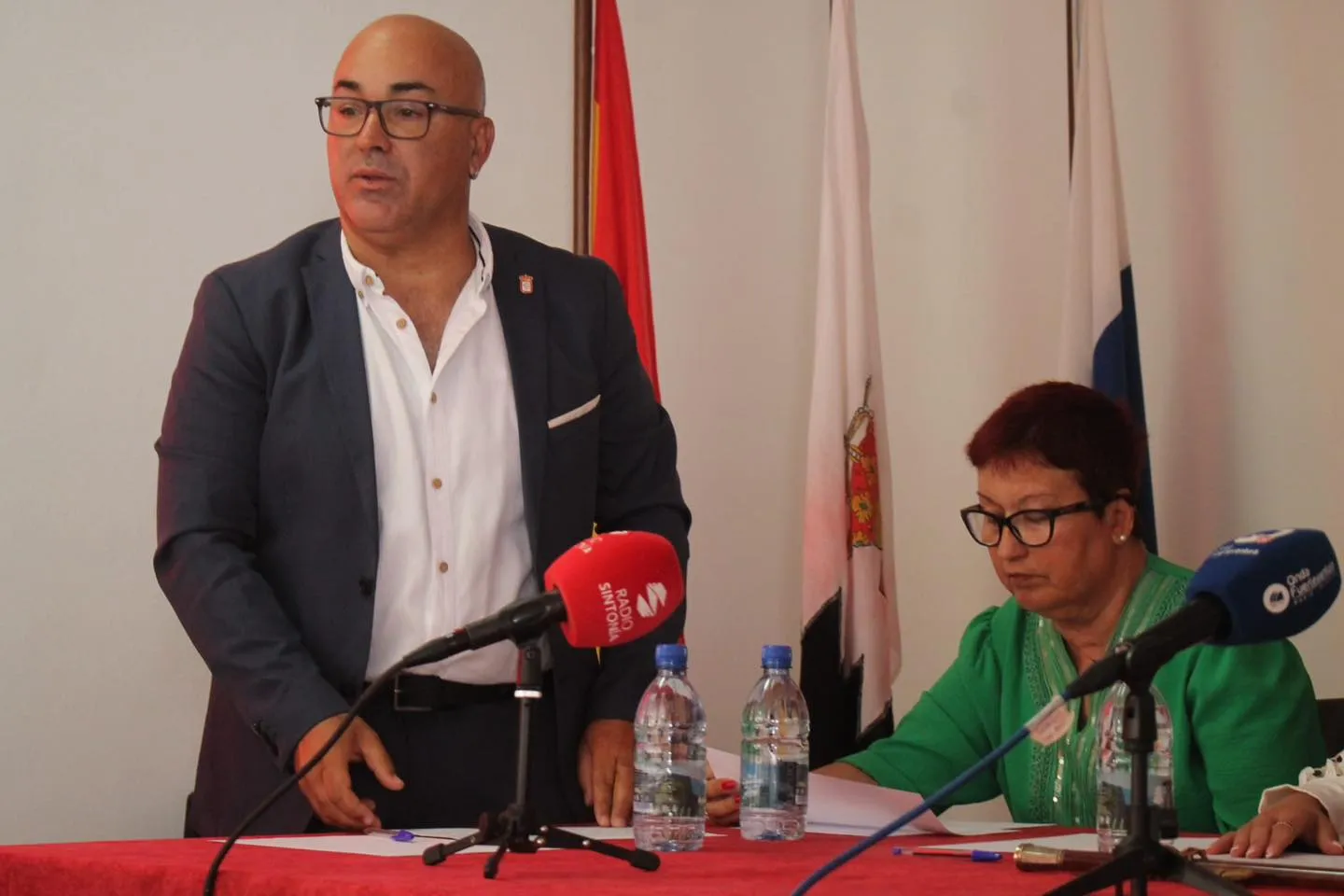
Carlos Rodríguez, the Environment Minister of the Cabildo de Fuerteventura, opened the event with remarks highlighting the importance of acknowledging the realities of climate change as they pertain to the island’s coastal areas. Joined by Marlene Figueroa, the Minister for Ecological Transition and Environmental Sustainability, Rodríguez emphasized the collaboration with specialists to dissect the current situation and anticipate future challenges.
Insights from Government Experts
Juan Ferrer Serrano, representing the Climate Change and Environmental Information Service of the Government of the Canary Islands, elaborated on the state of the Canary Coast amid rising sea levels. His contributions focused on both the challenges and potential solutions for enhancing coastal resilience in Fuerteventura.
Ferrer Serrano’s insights are vital as they pave the way for action-oriented strategies that can mitigate the impacts of rising tides and extreme weather conditions. The emphasis on planning and implementing effective adaptation measures is crucial for safeguarding both the environment and local communities.
Engaging with the Community
The atmosphere at the conference was charged with a sense of urgency, as local authorities, researchers, and the community grappled with the implications of climatic changes. The discussions underscored the role of community engagement in crafting sustainable solutions that address the threats posed by extreme weather.
Informing the public about potential risks and resilience strategies is essential for fostering a collective response. The participation of local stakeholders in these discussions can play a crucial role in the development and implementation of effective policies aimed at protecting Fuerteventura’s vulnerable coastal regions.
A Path Forward for Vulnerable Towns
As Puerto del Rosario, Morro Jable, Giniginámar, and Tarajalejo confront the realities of climate change and extreme coastal storms, it becomes increasingly vital to channel resources toward understanding and addressing these issues. The convergence of local government efforts, academic research, and community participation provides a promising avenue for developing adaptive measures that can withstand the forces of nature.
Fuerteventura stands at a crossroads, where comprehensive planning and proactive measures are paramount to maintain the integrity of its coastal ecosystems and safeguard the livelihoods of those who call these beautiful towns home.
By continuing to foster dialogue and collaboration among experts, government officials, and residents, Fuerteventura can navigate the choppy waters of climate change, ensuring a resilient future for its coastal communities.