The Rise of Orange Skies and Blood Rain in the UK: A Climate Change Phenomenon
In recent years, residents across the UK have been greeted by an unusual sight: deep orange sunrises and hazy skies that seem to glow with an eerie hue. This phenomenon, often accompanied by what is known as “blood rain,” is becoming increasingly common, and experts warn that climate change is at the heart of this transformation.
What is Blood Rain?
Blood rain refers to a peculiar weather event where rain carries fine particles of dust from the Sahara Desert, resulting in rust-colored precipitation. This dust, lifted into the atmosphere by winds, travels thousands of miles before eventually falling to the ground, coating everything in a reddish-orange film. Cars, windows, and outdoor surfaces can become blanketed in this gritty residue, leaving residents to wonder about the implications of such unusual weather.
The Science Behind the Skies
Hossein Hashemi, a Senior Lecturer at the Centre for Advanced Middle Eastern Studies at Lund University, explains that the shifting patterns of climate change are altering the dynamics of the Sahara Desert. As the desert expands and dries out due to rising temperatures, the likelihood of dust being dislodged and carried northward increases. Hashemi notes that most of this dust typically moves across the Atlantic, but a significant portion is now making its way into Europe, particularly between February and June.
The Impact of Climate Change
The implications of this phenomenon extend beyond mere aesthetics. Hashemi warns that the increased frequency of Saharan dust can substantially degrade air quality. The fine particles, known as PM10, can penetrate deep into the lungs, posing serious health risks such as asthma and cardiovascular issues. In fact, studies in Spain and Italy suggest that Saharan dust may account for up to 44% of deaths linked to PM10 pollution.
Health Risks and Air Quality
The health risks associated with blood rain and Saharan dust are alarming. As these fine particles infiltrate the air, they can trigger respiratory problems and exacerbate existing health conditions. The World Health Organization has established guidelines for particulate matter, and the presence of Saharan dust can push air quality levels beyond these recommended limits.
Visibility and Infrastructure Challenges
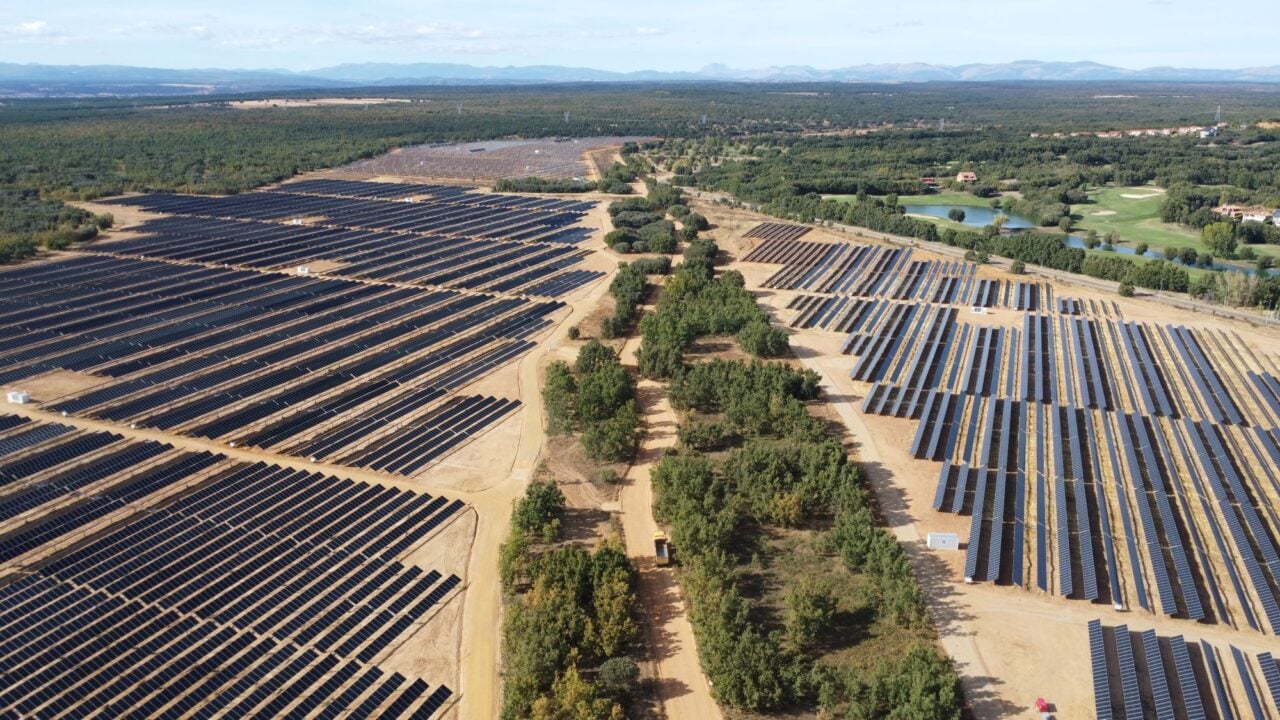
Beyond health concerns, the presence of dust in the atmosphere can also disrupt daily life. Reduced visibility due to dust storms can pose challenges for aviation and road traffic, leading to delays and safety hazards. Additionally, dust accumulation can diminish the efficiency of solar panels, impacting renewable energy efforts.
Early Warning Systems
In response to these emerging challenges, early warning systems have been developed to predict dust events up to 15 days in advance. These systems allow health authorities to issue alerts, advising vulnerable populations to stay indoors during high dust days. This proactive approach aims to mitigate the health impacts of blood rain and Saharan dust.
A Shared Risk
As climate change continues to reshape our environment, the question remains: will orange skies and blood rain become a regular feature of life in Europe? Hossein Hashemi emphasizes the importance of recognizing this shared risk. Governments across Europe and Africa must take these changes seriously, collaborating to address the underlying causes of climate change and its far-reaching effects.
In summary, the phenomenon of blood rain and orange skies serves as a stark reminder of the interconnectedness of our climate systems. As we witness these changes unfold, it becomes increasingly crucial to understand their implications for health, infrastructure, and the environment.