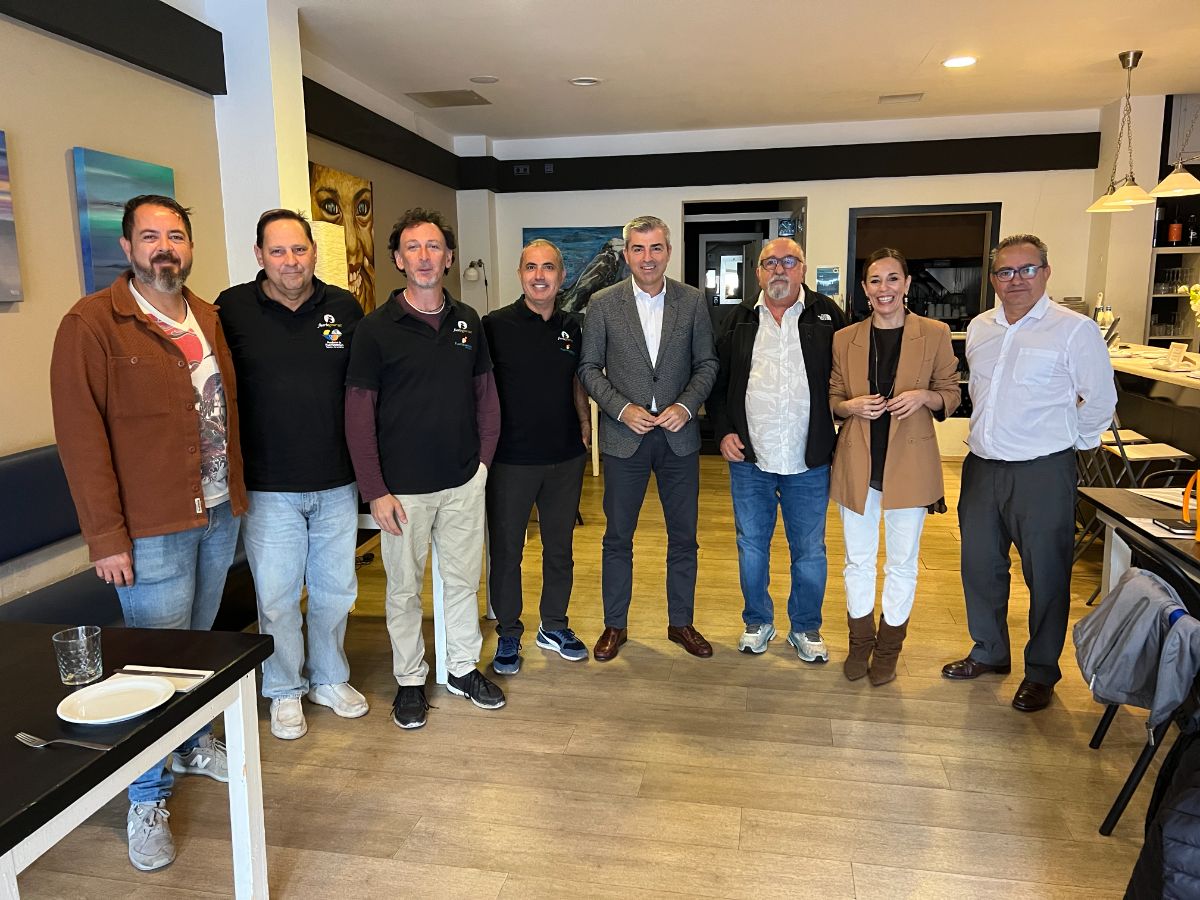
The dining scene in Fuerteventura has been facing its own set of challenges lately, leading industry representatives to seek significant financial support and structural changes. Recent discussions have highlighted several proposals aimed at alleviating constraints on the restaurant sector, particularly the request to reduce the General Indirect Canarian Tax (IGIC) from 7% to 3% for restaurants. This strategic move is intended not just to attract more customers but also to enhance the competitiveness of local dining establishments.
In addition to the reduction of the IGIC, Fuertegourmet, a prominent entity advocating for the culinary and agro-food sectors on the island, has called for the application of a 0% tax rate on water and basic products used within the restaurant industry. This change could substantially lower operational costs, enabling entrepreneurs to provide quality dining experiences without burdening patrons with steep prices. It’s a vital step toward ensuring that local restaurants remain accessible to both residents and tourists, especially given the economic landscape shaped by recent global events.
The Housing Crisis and Primary Sector Dilemmas
The conversation surrounding the restaurant industry is not limited to fiscal policies. A pressing issue that has emerged is the housing crisis, which poses a significant barrier for staffing within the sector. With escalating rents and limited availability, many restaurant owners struggle to attract and retain employees, ultimately affecting service quality and business sustainability. In this context, incentive programs aimed at supporting employers who provide housing for their staff have been proposed. Such initiatives could bridge the gap between workforce availability and the city’s growing labor demands.
Furthermore, Fuertegourmet has raised concerns regarding existing support for the primary sector, particularly in agricultural production. While there are subsidies aimed at assisting farmers, those benefits have not been translating to reduced costs for restaurants. As these establishments continue to grapple with high acquisition costs for ingredients, the question remains: how can the local government ensure that subsidies for the primary sector effectively lower market prices? Addressing this gap is critical for fostering a robust dining ecosystem where restaurants can thrive as part of a balanced local economy.
At the conclusion of a recent meeting, Gustavo Astrada emphasized that these discussions extend far beyond a mere list of demands. Instead, they represent a collective call for sensitivity and responsiveness from authorities. He underscored that addressing these requests will lead to more stable employment opportunities and strengthen the insular economy. Such sentiments resonate with the broader community, highlighting that a prosperous gastronomic sector directly contributes to the region’s overall socio-economic health.
Vice President Manuel Domínguez has pledged to thoroughly examine these proposals, particularly those concerning the Deducción por Inversión en Canarias (DIC) and the fiscal incentives for the restaurant industry. The commitment to elevate these requests to the Spanish government signifies a proactive approach to addressing the underlying issues facing the sector, creating an avenue for meaningful change.
Fuertegourmet’s role in defending and promoting the gastronomic industry and agro-food value chain in Fuerteventura cannot be overstated. Their dedication to excellence, sustainability, and the growth of local businesses not only enriches the culinary landscape but also fosters a sense of community resilience. By advocating for these changes, they hope to contribute to a more robust and dynamic economic environment on the island, paving the way for a brighter future for restaurants and their patrons alike.