The Battle for Spain’s Historical Heritage: The Case of Santa Eulalia
A heated debate over the preservation of historical heritage is unfolding in Spain, with potential implications for thousands of sites across the nation. At the center of this controversy is the Santa Eulalia colony in Alicante province, a once-thriving settlement that has fallen into disrepair. The Supreme Court’s review of this case could redefine monument protection standards, particularly in regions rich in history and unique architectural ensembles.
A Glimpse into History: The Santa Eulalia Colony
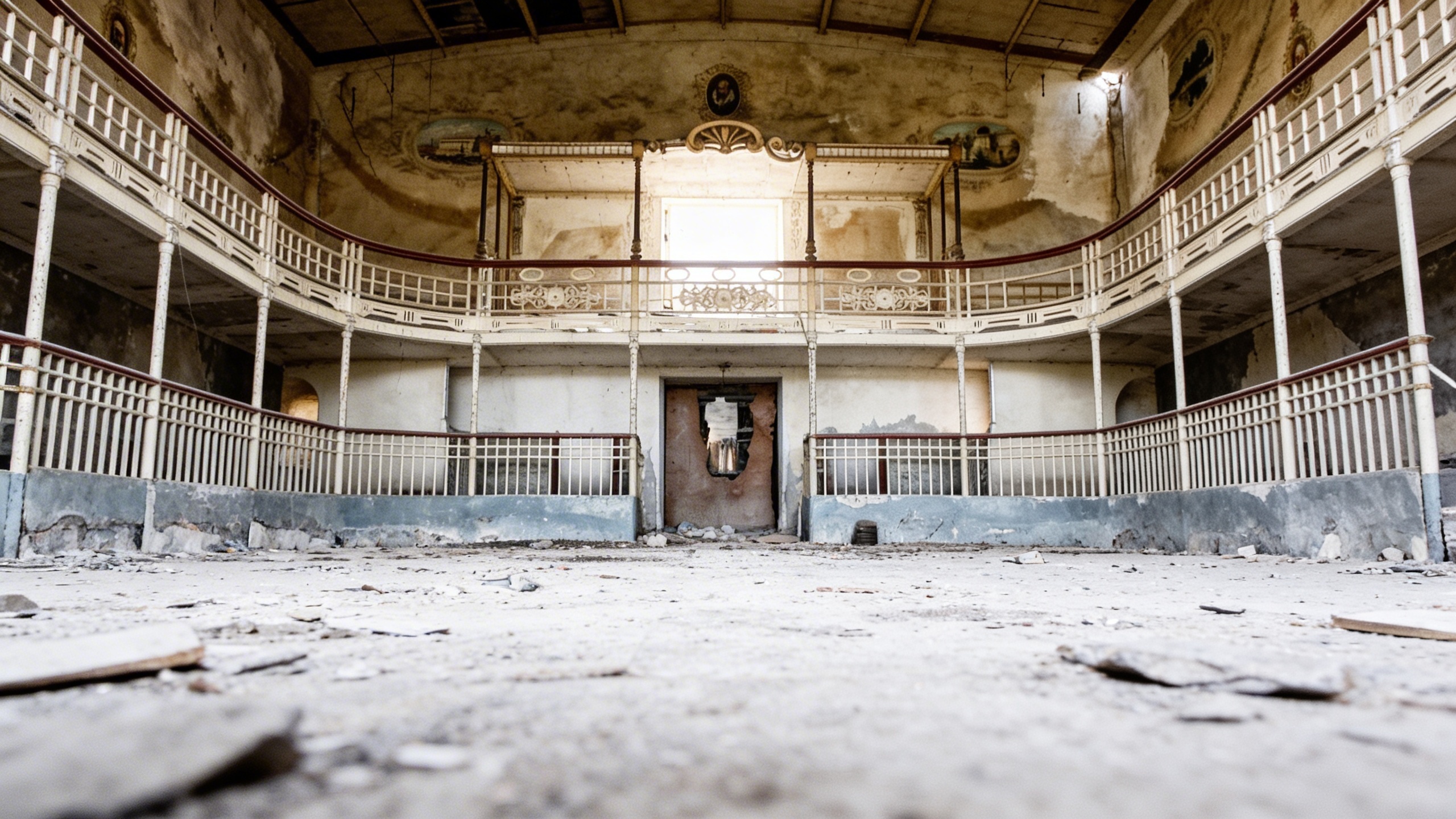
Founded in 1887 between Sax and Villena, the Santa Eulalia colony was envisioned as a model utopian socialist settlement. It boasted factories, a theater, a palace, residential housing, and even its own railway station. The colony was designed by the Conde de Alcudia and his cousin, the Vizconde de Alcira, on a sprawling 138-hectare site. At its zenith, the colony housed around 200 residents who worked in its various facilities, including a flour factory, a distillery, and wine cellars. However, the economic decline and the ravages of the Civil War led to its gradual abandonment. Today, most of the buildings are on the brink of collapse, despite being designated as a cultural heritage site in 2016.
The Current State of Affairs
The local authorities of Sax and Villena have faced criticism for their lack of action regarding the preservation of the Santa Eulalia complex. While Sax has issued fines and an order to demolish unsafe structures, Villena has shown little initiative. In 2023, the regional government even declined to fund a study aimed at restoring the colony. As a result, the site has been left to deteriorate, with its ruins serving as a poignant reminder of its former grandeur.
The Legal Battle: A Fight for Preservation
The fate of Santa Eulalia has now reached the Supreme Court, thanks to a private initiative. An individual filed a lawsuit against the Sax municipality for failing to assess the state of the buildings and to compel the owners to ensure their preservation. Initial rulings from both the court of first instance and the appellate court in Valencia sided with the authorities, arguing that the municipality does not own the properties and can only monitor compliance with existing laws. However, the plaintiff disagreed and appealed to the Supreme Court, emphasizing the absence of clear legal precedents regarding administrative responsibilities in such cases.
The Supreme Court has acknowledged the need for unified standards in addressing these issues. Judges are set to clarify the specific actions that authorities must take to prevent the destruction of monuments, irrespective of ownership. This case is particularly significant as it highlights citizens’ rights to protect cultural heritage through public lawsuits. As noted by El Pais, the outcome of the Santa Eulalia case could establish a precedent that impacts over 17,000 protected sites across Spain.
A Nationwide Approach to Heritage Protection
The Supreme Court’s judges plan to revisit the provisions of Law 16/1985 on national historical heritage to resolve inconsistencies among various regional court decisions. Courts in Madrid and Murcia have previously mandated local authorities to actively prevent the destruction of monuments rather than merely taking formal measures. The Supreme Court aims to extend this proactive approach nationwide, thereby eliminating the possibility of administrative inaction.
The ruling in the Santa Eulalia case will be final and binding on all authorities, potentially shifting attitudes toward the preservation of historical sites not only in Valencia but across the country. This issue is becoming increasingly urgent, especially in light of recent closures of scientific and cultural institutions, such as the recent shutdown of the Eureka! science museum in San Sebastián, which has sparked discussions about the future of cultural heritage.
Context: A Growing Concern for Heritage Sites
In recent years, Spain has witnessed a surge in cases where historic buildings and complexes are at risk of disappearing due to inadequate funding and poorly defined government responsibilities. Activists and residents are increasingly turning to the courts to seek protection for heritage sites, particularly in smaller towns and rural areas with limited resources. An analysis by russpain.com indicates a rising trend in such legal actions, fueling public debate and calls for new solutions at the state level.
As the debate over the Santa Eulalia colony unfolds, it serves as a microcosm of a broader struggle for the preservation of Spain’s rich cultural heritage. The outcome of this case could have lasting implications, not just for the colony itself but for the future of historical sites across the nation.