Celebrating the Archaeological Museum of Fuerteventura
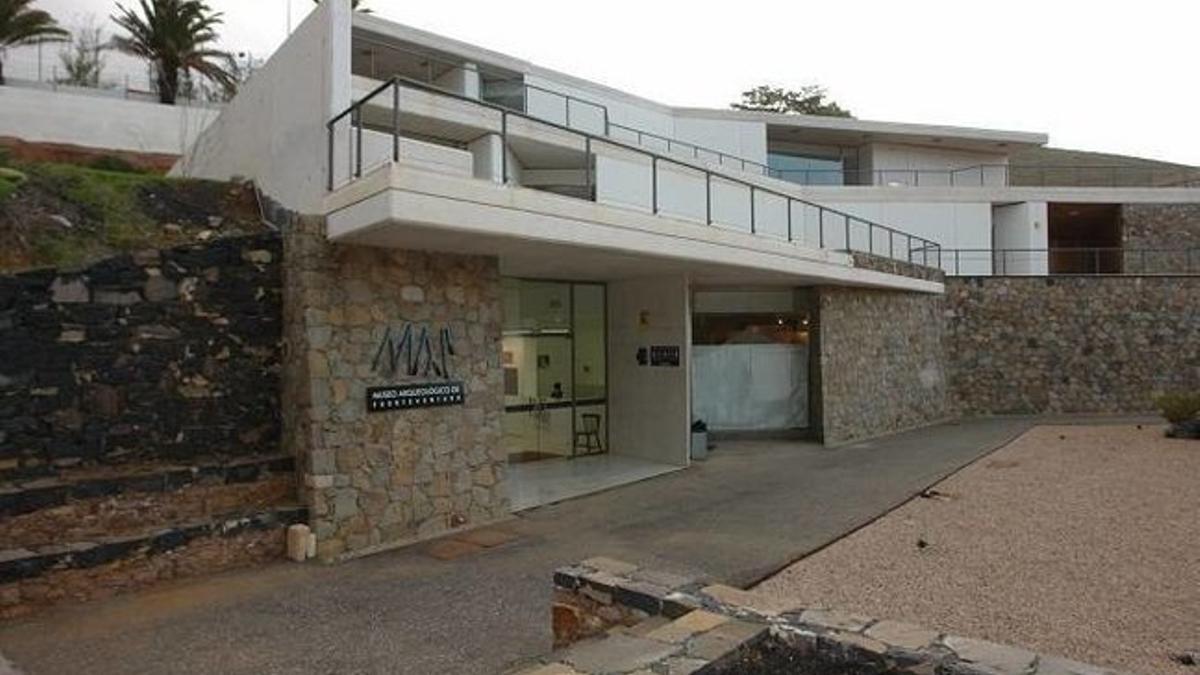
Since its inauguration on December 21, 2020, the Archaeological Museum of Fuerteventura (MAF) has become a beacon of cultural heritage, attracting nearly 54,000 visitors to explore the rich history of the island’s aboriginal past. Located in a picturesque setting, the museum serves not only as a repository of artifacts but also as a center for research, education, and community engagement.
A Flourishing Hub of Research
One of the key highlights of the MAF is its ongoing research initiatives. Recent campaigns in the Roman workshop of purple dye at the nearby Lobos Islet have yielded significant findings, expanding archaeological knowledge in the area. The southern region of the Lobos I site has been identified as a promising area for further exploration, particularly around Playa de la Calera. The museum has engaged in various collaborative projects, partnering with prestigious institutions such as the University of La Laguna and the University of Las Palmas de Gran Canaria, as well as other archaeological companies. These collaborations aim to catalogue and register archaeological materials, effectively laying the groundwork for future studies.
Preservation and Cultural Advocacy
Rayco León, the museum’s councillor, emphasizes the critical importance of conservation efforts. The museum has successfully restored over twenty aboriginal pots, coins, and metal objects, ensuring these invaluable relics remain accessible for both present and future generations. The MAF has also forged strong connections with educational institutions, hosting cultural events and workshops aimed at disseminating knowledge about the Majo culture, an integral part of Fuerteventura’s identity.
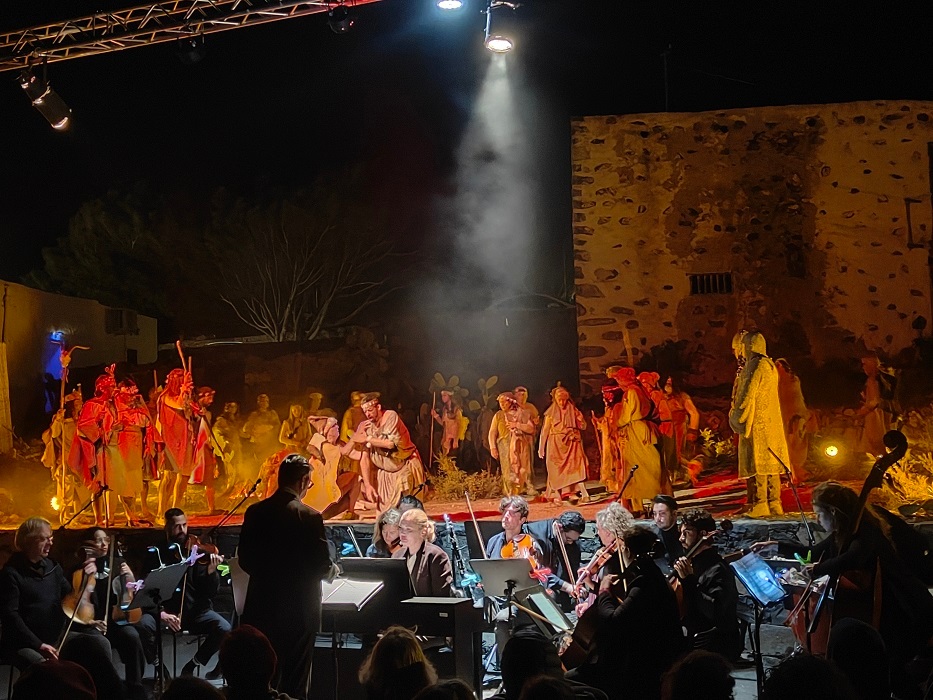
The museum has become a dynamic cultural center, hosting a variety of temporary exhibitions. Some notable showcases include “Betancuria: Faith in Stone,” photographic exhibitions by Carlos de Saa and Tarek Ode, and the ongoing displays like “The Search for Ancestral Faces” by Francesca Philips and “Back Home,” a tribute to Nacho Hernández. These exhibitions provide visitors with a deep dive into the island’s history while offering diverse artistic perspectives that resonate with the community.
Immersive Permanent Exhibitions
Visitors to the MAF can also enjoy permanent exhibitions that provide immersive experiences, such as “Fuerteventura Archaeology” and “Re(st)os.” These exhibits transport guests back in time, offering insights into the daily lives and practices of the island’s early inhabitants. The thoughtful curation invites attendees to engage with the cultural narrative actively, making each visit both educational and captivating.
Honoring Pioneers in Archaeology
As the museum approaches its third anniversary, it has chosen to dedicate its “zero showcase” to two pivotal figures in its history: Roldán Verdejo and Vicente Ruiz Méndez, affectionately known as Vicentito. Their contributions to the earlier Archaeological Museum of Betancuria laid the foundation for the establishment of the MAF.
Roldán Verdejo was instrumental in the restoration of the old museum building, which now houses the administrative section of the modern institution. Verdajo also pioneered early museology practices in 1965, setting the standard for future archaeological endeavors on the island. In contrast, Vicentito took on the crucial role of guardian and custodian after the museum opened to the public. His explorations in jables, caves, and ravines led to the preservation of many Majo artifacts, which might have otherwise been relocated to larger museums in Gran Canaria or Tenerife.
A Tribute to Historical Treasures
The zero showcase features invaluable items from the past, such as fragments of ceramics, lithics, beads, and adornments. Among the notable artifacts are plate-like beads made from shells sourced from Gran Montaña and La Atalayita, alongside a unique stone pendant discovered in a cave within the Gayría volcano. A polished stone reminiscent of objects found in the archaeological records of Lanzarote’s Majo people is also showcased, emphasizing the interconnectedness of island cultures.
This homage pays tribute to the invaluable contributions these early pioneers made to the preservation and dissemination of Fuerteventura’s archaeological heritage, ensuring that their legacy continues to inspire future generations.
The Archaeological Museum of Fuerteventura stands as a significant institution dedicated to both preserving and sharing the rich tapestry of Fuerteventura’s history, making it a must-visit destination for locals and tourists alike.