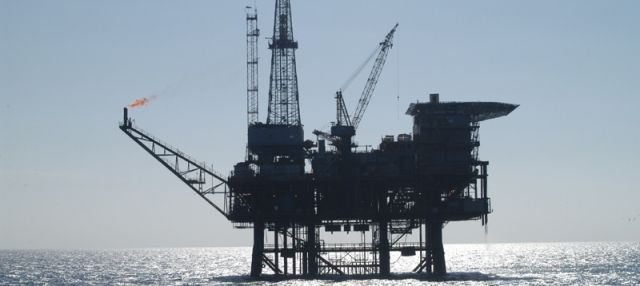
Fuerteventura’s Environmental Concerns: A Race for Loyalty Points?
The president of the Cabildo of Fuerteventura, Mario Cabrera, has recently raised alarms regarding the Spanish Ministry’s plans to make the Environmental Impact Study of oil explorations off the coasts of Fuerteventura and Lanzarote available to the public in mid-August. This announcement has sparked concerns about the potential hindrance to citizen participation and the involvement of social and environmental groups.
A Questionable Announcement
Cabrera expressed his discontent over the timing and manner of the announcement made by Enrique Hernández Bento, the Undersecretary of State for Industry, Energy, and Tourism. At a political party event, Bento revealed that a multinational oil company would soon submit the Environmental Impact Study for public scrutiny. Cabrera questioned the appropriateness of a public official from one ministry announcing the activities of an oil company, particularly when the relevant ministry for processing such studies is the Ministry of Agriculture, Food, and Environment, led by Arias Cañete.
The Race for Loyalty Points
In a rather sardonic tone, Cabrera remarked on the apparent eagerness of various ministries and political figures to promote the actions of multinational oil companies. He likened their behavior to a competition where they are “competing to see who adds more points to the loyalty card.” This metaphor highlights the perceived prioritization of corporate interests over environmental and community concerns.
A Firm Stance Against Oil Activities
Despite the Ministry’s intentions, Cabrera made it clear that the local administrations, social groups, and residents of the Canary Islands would not remain passive. He asserted that the only acceptable outcome of the Environmental Impact Study is a definitive “zero,” meaning no oil activities should take place along their coasts. Instead, he advocated for exploring alternative energy solutions that would not jeopardize the region’s unique ecosystem and way of life.
Concerns Over Sampling and Testing
Cabrera also raised alarms about the possibility that, while the Environmental Impact Study is being processed, samples might already be collected and tests conducted in the waters. He pointed out that the Ministry of Industry had granted authorization for six soundings for “research” purposes on March 27, without prior consultation or addressing the opposition from various institutions.
The Role of Repsol and Multinational Partners
The Ministry of Industry has authorized Repsol and its multinational partners to conduct these soundings off the coasts of Fuerteventura and Lanzarote. Cabrera criticized this move as a violation of procedural norms, arguing that the soundings, justified as research, would ultimately feed into the Environmental Impact Study. This dual approach—processing the environmental document while simultaneously permitting scientific soundings—raises questions about the integrity of the process.
The Scope of Sampling Stations
The Cabildo of Fuerteventura has indicated that the parallel authorization from the Ministry of Industry affects six sampling stations, each covering approximately 64 square kilometers. Cabrera noted that each station would involve taking around 20 sediment samples and six water samples, totaling 156 sample collections in the area. He emphasized the lack of clarity regarding whether drilling would be necessary, given that the water layer in these sampling stations varies from 800 to 1,500 meters.
The situation in Fuerteventura encapsulates a broader struggle between environmental stewardship and corporate interests. As local leaders like Mario Cabrera advocate for the preservation of their natural resources, the community remains vigilant against potential threats posed by oil exploration activities.