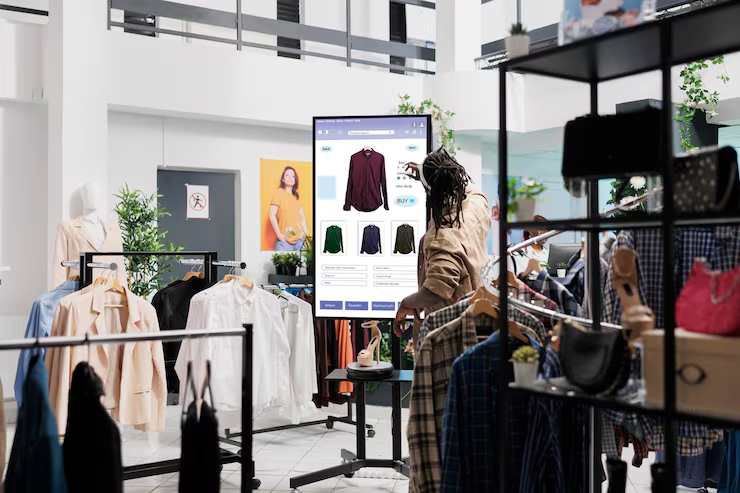
The Transformation of Spain’s Retail Market: Key Drivers and Emerging Trends
The Spain retail market is undergoing a remarkable transformation, driven by a blend of economic factors, shifts in consumer behavior, and technological advancements. According to projections from IMARC Group, Spain’s retail market is set to grow from USD 322.8 billion in 2025 to USD 457.9 billion by 2034, reflecting a compound annual growth rate (CAGR) of 3.96% from 2026 to 2034. This growth is not just a number; it represents a dynamic landscape shaped by various influences.
Key Factors Driving Growth in Spain’s Retail Market
Increasing Disposable Income
As Spain’s economy recovers from past challenges, disposable income among consumers is steadily rising. This increase allows consumers greater financial flexibility, enabling them to spend on both essential and non-essential goods. With higher disposable income, there’s a noticeable shift toward premium products and services. Retail brands are seizing this opportunity to cater to the growing demand for luxury goods and high-quality experiences.
Moreover, this financial uplift is prompting consumers to seek more personalized and customized shopping experiences. Retailers are responding by offering specialized goods and services that align with individual preferences, enhancing customer satisfaction and loyalty.
Expansion of E-Commerce
The surge in e-commerce is one of the most significant drivers of growth in Spain’s retail market. Online shopping has gained immense popularity over the past decade, a trend that accelerated during the COVID-19 pandemic. The convenience of shopping from home has become a preferred choice for many consumers, particularly for categories like clothing, electronics, and groceries.
E-commerce platforms are evolving, featuring enhanced user interfaces, personalized recommendations, and streamlined checkout processes. Retailers are investing heavily in digital marketing and omnichannel strategies, ensuring a seamless shopping experience across various platforms. As e-commerce continues to expand, it will play an increasingly integral role in Spain’s retail landscape.
Rising Focus on Sustainability
Consumer demand for sustainable products and eco-friendly practices is reshaping Spain’s retail market. As global awareness of environmental issues grows, Spanish consumers are actively seeking brands that align with their values. This includes a preference for eco-friendly packaging, ethically sourced materials, and carbon-neutral production processes.
Retailers are responding by integrating sustainability into their operations, offering environmentally conscious products, and minimizing waste. This shift is not merely about meeting consumer demand; it also enhances brand reputation, as consumers are more inclined to support businesses committed to social and environmental responsibility.
Technological Advancements in Retail
Technological innovations are significantly enhancing the customer shopping experience in Spain’s retail market. Retailers are increasingly leveraging artificial intelligence (AI), augmented reality (AR), virtual reality (VR), and machine learning to personalize and streamline the retail journey.
For instance, AI-driven recommendation engines provide customized product suggestions, while AR and VR create immersive shopping experiences. These innovations not only improve customer engagement but also optimize operations, from inventory management to predictive analytics. Additionally, contactless payments and mobile wallets are revolutionizing payment methods, catering to an increasingly digital-savvy consumer base.
Growth of the Tourism Industry
Spain’s thriving tourism sector is another critical driver of retail growth. As one of the world’s most popular tourist destinations, Spain attracts millions of visitors annually, leading to increased retail spending, especially in major cities like Barcelona, Madrid, and Valencia. Tourists often seek fashion, luxury goods, and unique souvenirs, contributing significantly to retail demand.
This influx of tourists not only boosts traditional retail but also enhances the growth of duty-free shopping and high-end brands. Many international visitors are eager to purchase products that are either unavailable in their home countries or offered at lower prices, presenting a major opportunity for retailers.
Rising Consumer Spending
Rising consumer spending is a vital factor propelling Spain’s retail growth. As the economy stabilizes and consumer confidence returns, individuals are more willing to invest in discretionary items, including apparel, electronics, home goods, and entertainment. This trend is particularly pronounced among younger consumers, who are driving demand for digital-first retail experiences.
The increase in spending reflects broader economic stability and job growth in Spain. As more people return to the workforce or experience wage increases, their spending capacity rises, further boosting the retail market.
Emerging Trends in Spain’s Retail Market
Personalized and Customized Shopping Experiences
Today’s consumers seek more than just products; they desire personalized shopping experiences. Retailers are increasingly utilizing data analytics, AI, and customer insights to tailor their offerings to individual preferences. From personalized product recommendations to targeted promotions, Spanish retailers are shifting toward providing bespoke shopping journeys that resonate with consumers.
Rise of Omnichannel Retail
As digital shopping continues to rise, traditional brick-and-mortar stores are evolving rather than disappearing. Omnichannel retailing is becoming the norm, with retailers offering seamless integration of online and offline channels. Consumers can research products online, order them for delivery, and pick them up in-store, creating a flexible and convenient shopping experience.
Luxury and Premium Goods
Spain’s luxury goods market is poised for continued growth, driven by both domestic consumers with rising disposable incomes and international tourists seeking high-end brands. Luxury retail, particularly in cities like Madrid and Barcelona, is set to expand as consumer preferences shift toward high-quality, exclusive products.
Health and Wellness Products
With increasing awareness around health and wellness, consumers are actively seeking products that contribute to a healthier lifestyle. The demand for organic food, fitness-related goods, wellness supplements, and sustainable personal care products is on the rise in Spain. Retailers who tap into this growing trend will likely see increased demand from health-conscious consumers.
Spain’s retail market is on a transformative journey, shaped by rising disposable income, e-commerce expansion, a focus on sustainability, and technological advancements. As the sector adapts to evolving consumer preferences, the opportunities for growth remain robust, positioning Spain as a significant player in the global retail landscape. Retailers who embrace these trends and prioritize innovation will be well-equipped to thrive in this dynamic environment.