Revitalizing Heritage: The Cultural Significance of Puerto del Rosario’s Architectural Gems
Recent developments in Puerto del Rosario have set the stage for a significant preservation initiative, highlighting over 60 invaluable cultural sites that showcase the rich heritage of the municipality. This endeavor not only aims to enhance local identity but also to foster community pride and attract tourism.
The Inclusion of New Heritage Sites
On March 11, the Puerto del Rosario Town Hall made a substantial update to its cultural heritage catalog. Through collaborative efforts involving the Cabildo, local organizations, and individual citizens, six decades’ worth of architectural and ethnographic treasures have received recognition as part of the municipal catalog that Cabrera-Febles is compiling.
Among these new inclusions are 39 elements of architectural interest, numerous residences within Puerto del Rosario, and several public buildings. Additionally, the list features 15 ethnographic gems comprising old corrals, water cisterns (aljibes), threshing floors (eras), and lime kilns, alongside eight archaeological sites that speak to the area’s historical tapestry.
Key Highlights of the Heritage Sites
Airport of Los Estancos
Designed to be a vital hub, the Airport of Los Estancos was developed in response to challenges faced by pilots landing at the Tefía runway. The construction began in 1951, leading to its operational debut that marked a watershed moment for aerial travel on the island. Over the years, it transformed from a military installation into a bustling civilian airport, illustrating the evolution of Fuerteventura’s connectivity before its eventual relocation in 1969.
Cine Marga
Reflected in its name, Cine Marga signifies not just a cinema but a cultural epicenter. Established in 1960, this cinematic space became a platform for various performances, including theater and music. After its closure in the early 90s, it was repurposed as the Center for Art Juan Ismael, preserving its historic façade while embracing a modern use.
The Horno de Puerto del Rosario
Situated at the junction of Ramiro de Maeztu and Barranco Pilón streets lies the ruins of the Horno de cal, dating back to the 19th century. A testimony to Puerto del Rosario’s industrial past, this lime kiln—considered the oldest in the area—was documented as operational in historical records from the mid-1800s. Its remnants offer insight into the local economy’s reliance on lime production.
Casas de los Camineros
Two preserved structures in Puerto del Rosario, situated at strategic points along the roads, represent the Casas de los Camineros, which were essential for maintaining Spain’s roadway network in the 18th century. Constructed in the early 20th century, these buildings served as accommodation for the workers tasked with road maintenance.
Ermita del Ángel
The Ermita del Ángel, erected in the 17th century, stands testament to the island’s religious and cultural roots. Conceived by Ana Rodríguez Sanabria, the building features classical architectural elements that have survived through centuries, awaiting its recognition as a Bien de Interés Cultural—a designation that assures its protection and preservation for future generations.
Parador de Turismo
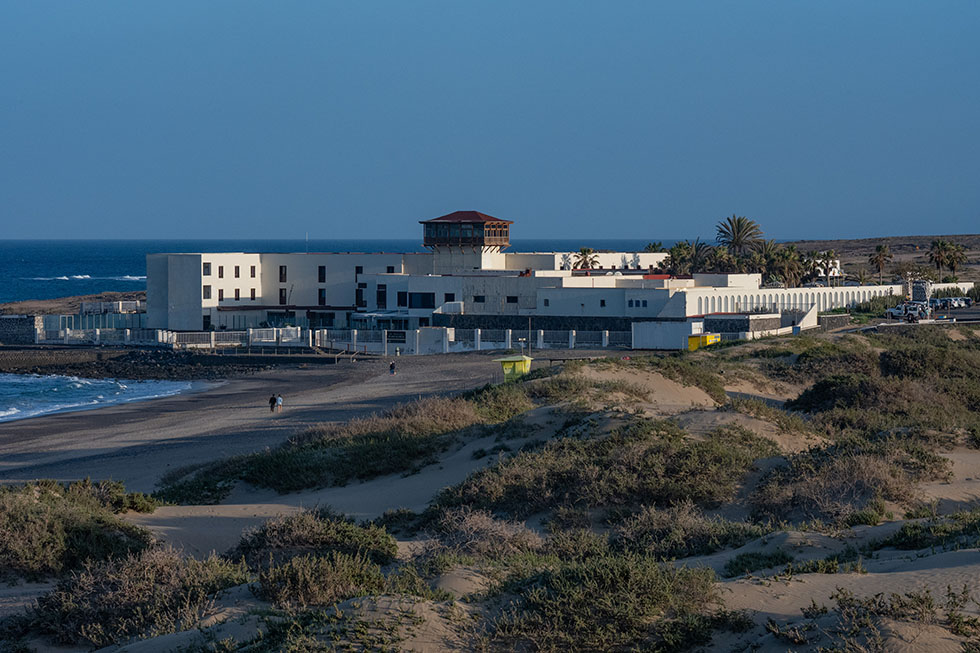
In the wake of the 1960s tourism boom, plans for a National Parador were initiated, utilizing a design that incorporated local architectural styles. Opened by Manuel Fraga Iribarne, it not only marked a shift in the island’s tourism landscape but also introduced the neocanarian style, symbolizing a blend of modernity and tradition that appeals to both visitors and residents.
The Historic Cornisa Houses
The 16 houses in La Cornisa, once in limbo regarding their status, have now been reinstated into the cultural heritage catalog. This decision reflects the evolving recognition of their historical significance, which has been affirmed through evaluations by local and regional authorities. These buildings, recognized for their architectural value, form part of the oldest section of Puerto del Rosario, enhancing the narrative of the urban landscape.
Engaging the Community
Doorways to these historical edifices are now open, inviting locals and tourists alike to explore the myriad stories and artistic expressions preserved within their walls. As the town embraces this significant cultural revitalization, the hope is that awareness and appreciation for Puerto del Rosario’s rich heritage will flourish, leaving lasting impressions on all who encounter these remarkable sites.
With more than 60 items of cultural interest newly integrated into the catalog, Puerto del Rosario is positioned not just as a place to visit but as a vibrant testament to its historical and cultural legacy, fostering an ever-deepening connection to its roots.