Mobilization in the Canary Islands for Sustainable Tourism: “It’s Necessary to Change the Predatory Model”
A significant protest is set to take place in Corralejo on October 20, organized by the group “Fuerteventura has a Limit,” which is part of the broader coalition “Canarias has a Limit.” This demonstration aims to raise awareness among locals and tourists alike about the detrimental impacts of the current tourism model, which activists describe as “predatory.” The choice of Corralejo as the venue is particularly meaningful due to ongoing critiques surrounding the hotel chain Riu, plans for a new establishment with nearly 1,000 beds, and proposals for a mega-port in an area that draws millions of visitors each year.
A Coalition for Change
Over 75 organizations and nearly a thousand residents of the Canary Islands support this mobilization, aiming to halt a tourism model that contributes to environmental degradation and exacerbates labor precariousness. The call for change comes as the islands grapple with the effects of unchecked tourism growth, highlighting an urgent need for action.
An Environmental and Cultural Crisis
The criticism isn’t solely economic; protestors express deep concerns about the destruction of the natural environment and the erosion of the islands’ cultural identity. They argue that unlimited tourist growth in such a limited space is unsustainable. “The idea that we can keep growing indefinitely in a territory with limited resources is completely erroneous,” declared Adelina Padrón, a spokesperson. The activists emphasize the pressing need to establish limits that safeguard both the environment and the quality of life for residents. They argue that the lack of effective regulations is turning the islands into increasingly uninhabitable spaces.
Urgency for Sustainable Practices
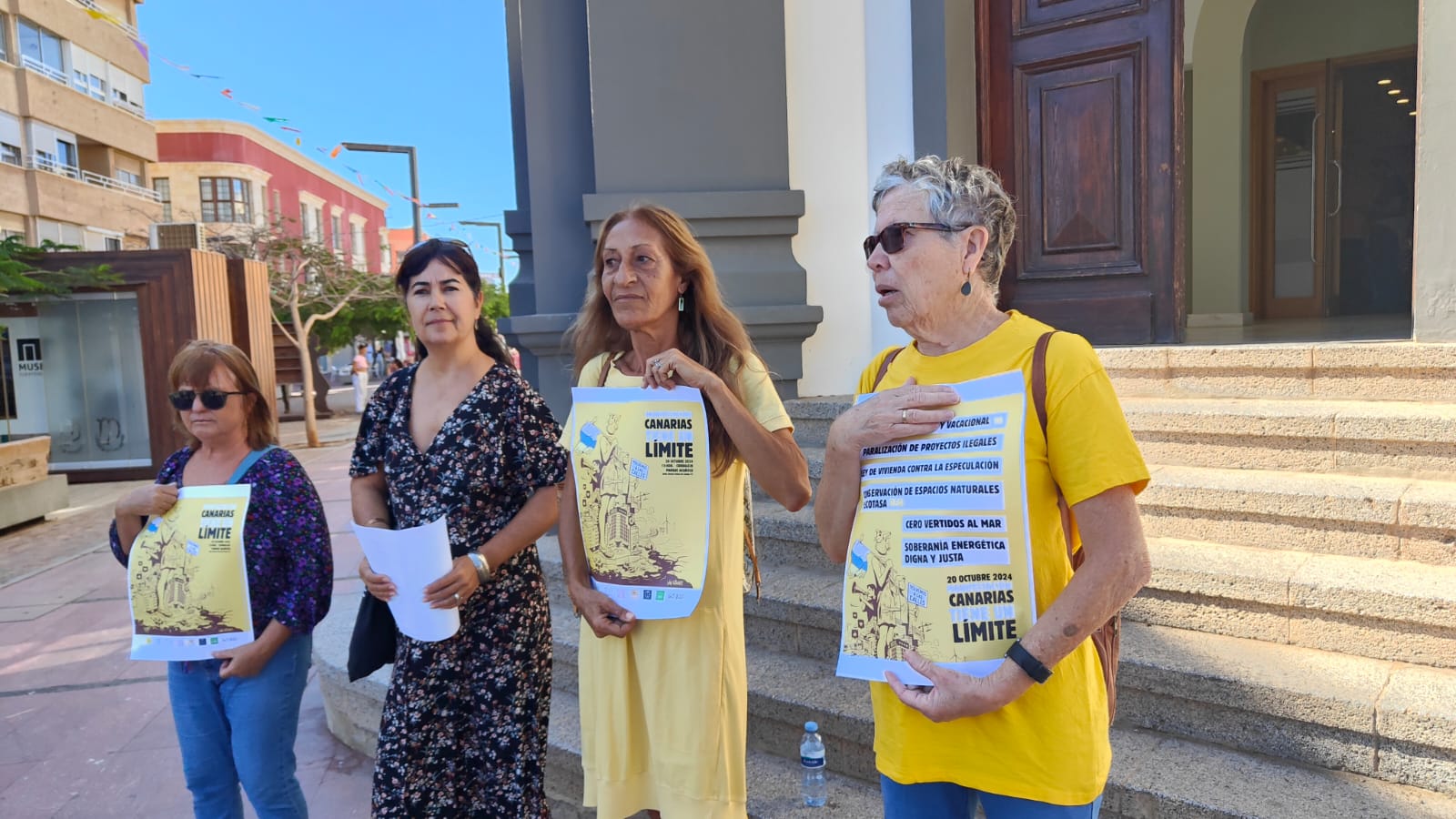
At a press conference held in front of the Fuerteventura Cabildo, Padrón highlighted that since the last major protest in April, conditions have worsened. She accused local and regional authorities of continuing to promote a tourism model reliant on the massive development of hotels and infrastructure while ignoring the environmental and social ramifications. “More roads, more hotels, more tourists, more destruction of ecosystems, and more precarious labor,” Padrón asserted. Despite promises of rethinking the tourism model towards sustainability and green policies, the situation has only deteriorated.
“The idea that we can continue to grow in a territory with limited resources is utterly mistaken. It is urgent to establish limits that protect the environment and enhance the quality of life for the inhabitants.”
Protests Against Controversial Developments
Among the most contentious projects highlighted by the protestors are hotel constructions in protected areas, the ambitious plans for the Corralejo port, and the controversial status of Riu hotels in Fuerteventura. Activists view these initiatives as threats to the delicate ecosystem and cultural essence of the islands.
Rally Details and Community Participation
The protest is set to commence at 12:00 PM from Avenida de Nuestra Señora del Carmen, number 41, in Corralejo. Organizers are anticipating substantial participation from the community, emphasizing that October 20 will be a pivotal date to showcase citizens’ demands. Included in the coalition’s efforts are groups such as Agonane, Colectivo Guanil, Coordinadora Montaña Tindaya, and Eco-Fem, all united in the call for sustainable tourism practices.
This mobilization in the Canary Islands symbolizes a growing resistance against a tourism model perceived as exploitative, urging all stakeholders to consider a more sustainable future for both residents and the environment.