The Invasive Species Crisis in Fuerteventura’s Ecosystem
Introduction to the Issue
The introduction of invasive species poses a significant threat to Fuerteventura’s delicate ecosystem. The local government, through its Biosphere Reserve, has initiated a study aimed at assessing the population of invasive bird species in the Jandía Peninsula, particularly within its Ramsar-listed salt flats. The focus is primarily on three species: the red-vented bulbul, the rose-ringed parakeet, and the monk parakeet, all of which are listed in the Spanish Catalog of Invasive Alien Species.
The Types of Invasive Birds
The study, authored by naturalist Susana Saavedra, highlights how these birds first appeared on the island during the 1990s, with sightings documented in ornithological yearbooks. Several factors contributed to their introduction, including private collections, the pet trade, and legal imports—more than one million parrots entered Spain from 1986 to 2015. Despite legal frameworks established post-2013 to regulate these species, violations persist, with individuals continuing to keep and sell them.
Legislative Challenges
There exist stringent laws that impose hefty fines ranging from €3,000 to €200,000 for possessing these invasive species. However, Saavedra argues that, similar to the Historical Memory Law, enforcement remains lax, allowing the continued presence of these species in homes and in the wild.
Observations and Species Data
The arrival and reproduction of these invasive birds are closely linked to zoos and facilities like the defunct Stella Canaris, which operated as a small zoo. Saavedra points out that the rose-ringed parakeet (Psittacula krameri) is considered one of Europe’s 100 worst invasive species. She successfully eradicated the species from La Palma, where they were found to negatively impact 21 different crops and threaten two native species.
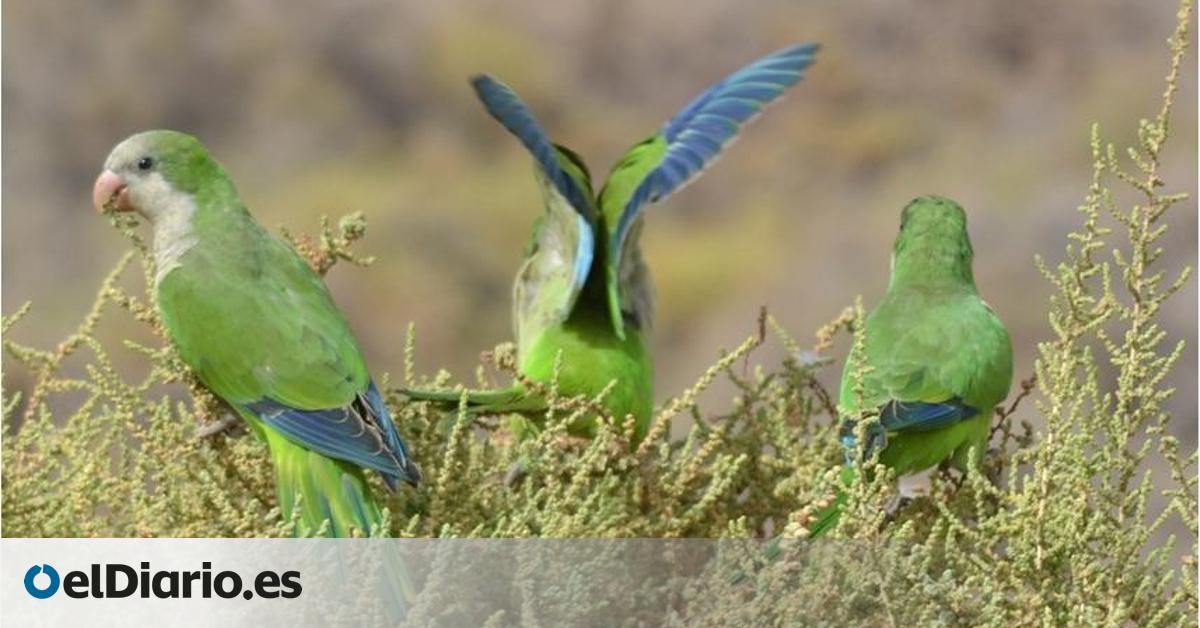
Currently, she estimates that the population of rose-ringed parakeets on Fuerteventura is “vestigial,” with likely less than ten individuals remaining in the wild. In contrast, the monk parakeet (Myiopsitta monachus) has shown a varying population, once estimated at 200 birds but now possibly dropping to around 70, attributed to reduced artificial food sources following the closure of Stella Canaris.
The Red-vented Bulbul: A Growing Threat
The most alarming species appears to be the red-vented bulbul, initially spotted in 2001. By 2010, Saavedra was able to capture nine individuals in La Lajita; however, her recent sightings indicate a growing population in places previously uninhabited by this species, such as Morro Jable, the airport area, and Puerto del Rosario.
This species has been extensively captured across various islands, with Saavedra having caught approximately 15,000 over the years, including a significant number in Tahiti.
Environmental Impact
Saavedra raises the alarm on the ecological implications of these invasive species, particularly focusing on the monk parakeet’s negative impact on the Jandía salt flats ecosystem. Here, urbanization, habitat fragmentation, and the encroachment of other invasive species further complicate the delicate ecological balance. The parakeets have been observed feeding on endemic plants, exacerbating the damage.
Saavedra plans to capture monk parakeets for scientific examinations at the University of Las Palmas de Gran Canaria to analyze their diets and their impact on native species.
Future Plans and Eradication Strategies
The ongoing estimated census, conducted over July and August, aims to pinpoint areas of conflict and propose a strategic control plan to the local authorities, including the Cabildo and the Biodiversity Reserve. The ultimate goal is to eradicate the three invasive species, which is projected to take around five years.
There is also a pressing need for an educational campaign targeting both locals and tourists, emphasizing the dangers of feeding these birds. Saavedra advocates for informational signage at airports warning about the risks and penalties associated with feeding invasive species.
Next Steps in Control
The plan includes the implementation of trapping campaigns to decrease the bird populations to manageable levels before full eradication can be achieved. However, Saavedra warns that the risk remains as long as individuals keep birds in captivity, which can lead to unintentional releases.
During this summer’s campaign, Saavedra noted sightings of four additional exotic birds, including the sacred ibis and the Java sparrow, further highlighting the ongoing challenges posed by invasive species in the region.
Saavedra’s Role in Conservation
Susana Saavedra specializes in the monitoring, control, and eradication of invasive avian species. Among her achievements, she has successfully eradicated the common myna from five islands, demonstrating her commitment and effectiveness in conserving Fuerteventura’s unique ecosystem. Her work exemplifies the urgent need for continued vigilance and action in the battle against the introduction of invasive species.