Unveiling History: The Franciscan Convent of San Buenaventura in Betancuria
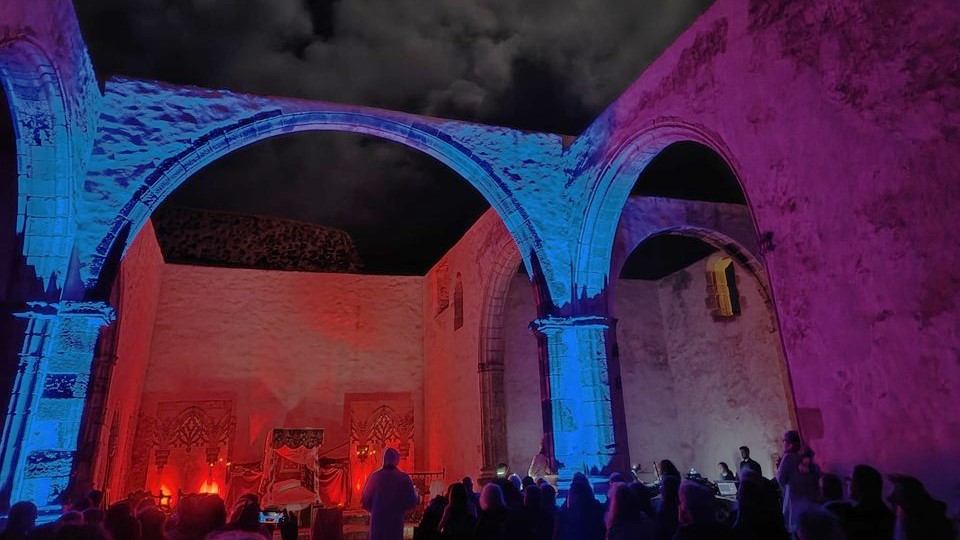
The Franciscan Convent of San Buenaventura, nestled in the picturesque town of Betancuria, represents the very first conventual mission established in the Canary Islands. Its storied past spans from 1413 to 1823, yet the details of its original architecture and the circumstances surrounding its eventual demise largely remain a mystery. Recent archaeological work led by Tibicena Arqueología y Patrimonio, under the direction of Marco Antonio Moreno Benítez, has started to shine a light on this hidden historical treasure.
The Archaeological Breakthrough
Tibicena’s dedicated team has made significant strides in uncovering the original and well-preserved walls that date back to the early post-conquest period of the Canary Islands, shortly after 1413. According to the project manager’s announcement, the archaeological findings were validated through rigorous testing conducted in laboratories in both Barcelona and Poland. This analysis confirmed that the lime used to seal the convent’s walls is indeed the original material—a remarkable testament to the craftsmanship of the time. This discovery elevates the remaining ruins, offering profound insights into the region’s early colonial history.
A Mission of Recovery
In 2018, with the support of the General Directorate of Cultural Heritage, Tibicena embarked on an ambitious project aimed at uncovering and restoring the convent site, which had previously been overlooked. Following a series of excavation campaigns, with the latest occurring in 2022 and financed by the Cabildo de Fuerteventura, the initiative has blossomed into a significant archaeological endeavor, unearthing rich historical findings that can reshape our understanding of the region’s heritage.
A Journey Through Time: The Excavation Process
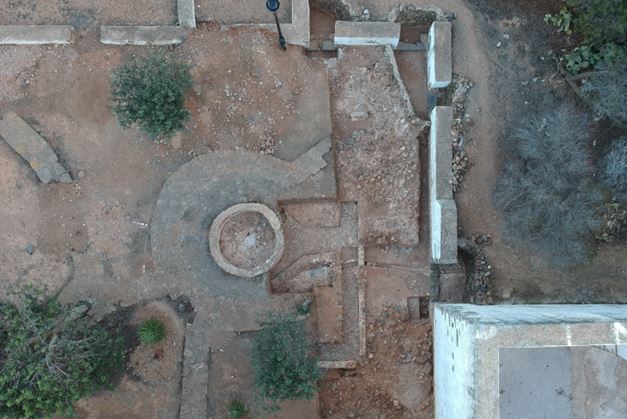
The excavation efforts have revealed crucial insights into the structure and function of the convent. Early stages of the investigation documented remnants of the long-lost cloister and various hydraulic infrastructures within its surrounding area. Surprisingly, archaeologists unearthed human remains, challenging the long-held belief that the church had been completely vacated during the mid-20th century.
Interestingly, the most astonishing discoveries emerged from the abutments of the church, where walls dating back to the 17th century were found. Historical records indicate that this period marks a significant architectural modification, where the temple was strategically removed from a cliff to mitigate moisture issues. This layer of construction coincided with the emergence of adjacent buildings, which had initially been believed to serve different functions. The complexity of their arrangement warranted an expanded archaeological approach, despite the challenges of working in such a delicate environment.
The Historical Significance of the Findings
The results from the excavations are not just about the physical size and design of the walls; they also highlight the importance of these discoveries in understanding the broader historical context of Fuerteventura and its post-conquest legacy. According to Marco A. Moreno, the walls unearthed represent the oldest and best-preserved structures from the immediate post-conquest era in the Canary Islands. This gives the site significant historical weight and underscores its value as a cultural artifact.
The Future of the Convent Site
Despite the rich history revealed through recent findings, Tibicena’s work is far from complete. Plans are in motion for a more extensive archaeological intervention aimed at further bringing to light and enhancing the historical significance of this convent site. The complexity of the current landscape necessitates a long-term strategy that transcends existing expectations. It’s hoped that future collaborations with the diocese and the site’s owners will pave the way for improved conservation efforts and public engagement with this unique archaeological venue.
The Franciscan Convent of San Buenaventura stands as a silent witness to centuries of history, and as new discoveries unfold, it continues to narrate the intricate tapestry of cultural and religious life in Fuerteventura. The ongoing excavation efforts promise to deepen our understanding of this significant site and its role in the islands’ past.