Asamblea Majorera–Coalición Canaria Fuerteventura Denounces Lack of Response on Cádiz – Puerto del Rosario Maritime Line
In a pressing stance, the Asamblea Majorera–Coalición Canaria (AM-CC) for Fuerteventura has voiced strong concerns over the Spanish Government’s silence regarding the crucial maritime line connecting Cádiz to Puerto del Rosario. The absence of this route has become more than just an inconvenience—it poses a significant threat to the island’s connectivity, further complicating the already complex dynamics of insular life.
Rising Costs and Increased Strain on Connectivity
In addition to their complaints regarding the Cádiz connection, members of the AM-CC have raised alarm over the soaring prices for inter-island transport between Gran Canaria and Fuerteventura. This surge in transportation costs is not merely an economic inconvenience; it represents a potential crisis for local businesses and, ultimately, the residents of Fuerteventura.
The coalition emphasizes that these issues collectively plunge the island deeper into a state of ‘triple insularity.’ Without a reliable maritime link to the mainland or sufficient inter-island transport routes, the residents and businesses of Fuerteventura find themselves increasingly isolated.
Dependency on Alternative Routes
The elimination of the Cádiz-Puerto del Rosario route intensifies Fuerteventura’s reliance on other islands for essential goods and services. Currently, any cargo from the Peninsula must transit through Lanzarote or Gran Canaria, creating logistical complications that are hard to manage. For example, if a shipment arrives in Lanzarote, it is nearly impossible for it to reach Fuerteventura in a timely manner, as the ferry between the two islands operates with tight scheduling that often leaves insufficient time for unloading and loading operations.
Transportation Costs Soar
One of the most striking developments has been the dramatic rise in transportation costs. According to AM-CC, the expense for transporting goods on the route from Las Palmas de Gran Canaria to Puerto del Rosario has surged by an astonishing 78%. The cost for transporting a load that once cost €46.28 is now nearly double at €82.40. In contrast, the price for a similar journey from Gran Canaria to Arrecife has remained stable at around €98, highlighting an inequity that disproportionately impacts businesses on Fuerteventura.
This rising cost of transportation is now directly impacting local businesses that regularly depend on the movement of goods. Consequently, the increase in logistical expenses invariably translates to higher prices for everyday consumers, thus creating a cycle of economic hardship.
Impact on Local Businesses
Local enterprises that rely on consistent, affordable transport options are feeling the brunt of these changes. The AM-CC states, “This change unfairly penalizes businesses that depend on frequent cargo transport, inflating their operational costs and diminishing their competitive edge.” As logistical challenges escalate, the continuity of business and availability of products for consumers in Fuerteventura are put at risk.
Legislative Efforts for Restoration
In June, decisive steps were taken within the Canary Islands Parliament to urge the continuation of the Cádiz – Puerto del Rosario maritime line. Letters advocating for this initiative have been dispatched to the Spanish Ministry of Transport, the General Directorate for the Merchant Navy, and relevant authorities, yet responses have been conspicuously absent. The lack of engagement from these governmental bodies raises further questions about the prioritization of inter-island connectivity.
Importance of Strategic Maritime Connectivity
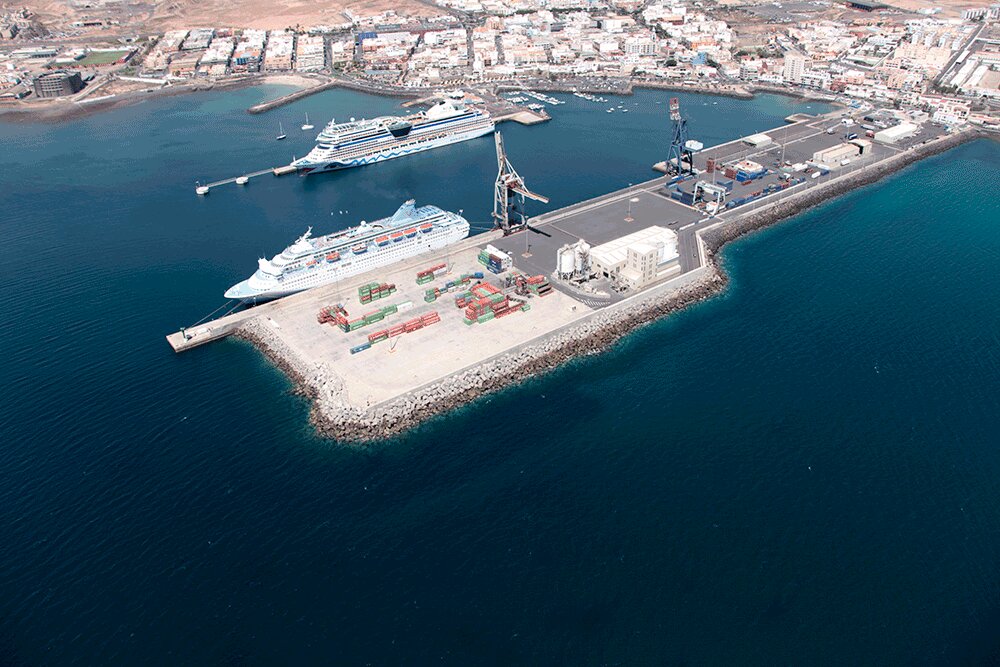
The port of Puerto del Rosario has historically facilitated the shipment of over one and a half million tons of cargo, underscoring its strategic importance. Losing maritime connectivity would serve as a significant obstacle to the port’s growth and development, limiting investment opportunities and jeopardizing the economic prospects of this island that already faces structural challenges due to its geographical isolation.
Local Leadership Voices Concerns
The local leadership in Fuerteventura, including the mayor of Puerto del Rosario, David de Vera, and the president of the Cabildo, Lola García, have highlighted the ramifications of ending the public service contract with Armas Trasmediterránea. This service, which was set to expire on June 30, 2026, has not been succeeded by any alternative, further exacerbating concerns about the future of maritime transport.
On June 18, a formal request was made to the Authority of Port of Las Palmas expressing significant anxiety over the elimination of the Cádiz-to-Puerto del Rosario line, indicating its detrimental impact on Fuerteventura’s connectivity to the mainland.
Call for Action
During a recent Board meeting, the president of the Authority of Port of Las Palmas acknowledged these concerns and committed to relaying the urgent need for the restoration of the direct maritime connection to the Ministry of Transport. The stakes are high for Fuerteventura’s economy and its residents, making this plea not only critical but timely.
In this atmosphere of rising costs and deteriorating logistics, Fuerteventura stands at a crossroads, hoping for decisive actions that will resolve these growing challenges and restore its vital maritime links.