Incident of Vandalism in Lajares: A Threat to Cultural Heritage
The rich cultural tapestry of Fuerteventura is woven through its historical architecture, which includes a handful of ancient stone houses scattered across the island. Recently, the Local Police of La Oliva stepped into action to protect this heritage when they apprehended an individual caught vandalizing one of these historic structures in Lajares.
The Alert That Sparked Police Action
The incident began when a vigilant citizen reported seeing a person defacing the walls of an old stone house—a residence that stands as one of the few remaining examples of traditional architecture from the 19th and early 20th centuries. This resident’s quick thinking helped not only to halt the ongoing vandalism but also to highlight the community’s commitment to preserving its cultural history.
Police Response and Investigation
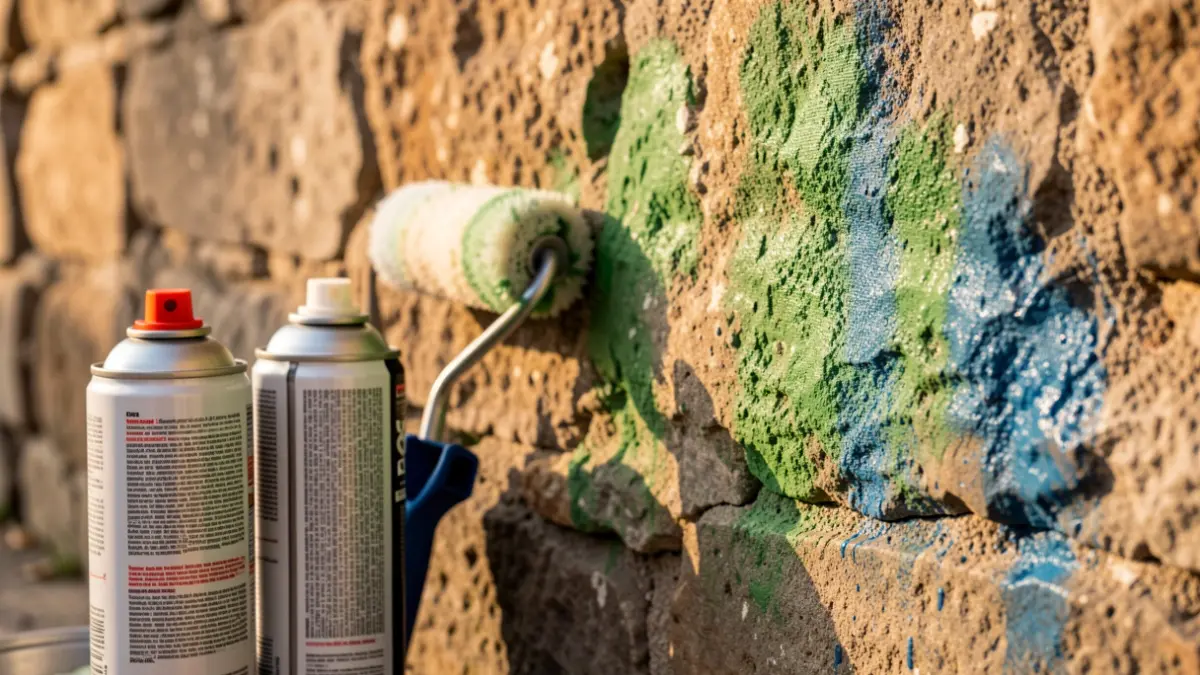
Upon receiving the alert, agents from the Local Police swiftly arrived at the scene. They noticed a man placing multiple spray paint cans into a vehicle. The colors of the paints matched those used in a fresh graffiti mural on the historical building, providing clear evidence of the act of vandalism. Police officials wasted no time in identifying the individual and informing him of the potential administrative and criminal responsibilities his actions could incur. This included the legal repercussions for damaging properties recognized for their historical significance.
Cultural and Legal Implications
The cultural importance of the affected building cannot be overstated. La Oliva has a Heritage Catalogue—comparable to similar documents in Puerto del Rosario and Betancuria—designed specifically for the protection of buildings that bear historical significance. Such catalogues are crucial for preserving the island’s unique architectural identity, making vandalism not just a local concern, but an affront to the collective heritage of the community.
During the intervention, the police confiscated the spray paint cans, rollers, and other painting supplies used in the act of vandalism. This decisive action signifies a broader commitment to preventing similar incidents and upholding the integrity of culturally significant sites throughout the municipality.
A Broader Context: Previous Incidents of Vandalism
This latest case evokes memories of a similar act of vandalism that occurred on April 25, 2022, at the El Tostón defensive tower, a Cultural Interest Asset from the 18th century located in El Cotillo. During that incident, the mural painted on the tower’s stones went unnoticed for some time, and unfortunately, the perpetrator remained unidentified. Such recurring incidents underline the ongoing challenge of protecting Fuerteventura’s historical spaces from vandalism.
Community and Historical Value
The local community has shown resilience against such acts, which threaten not only aesthetics but also the educational and cultural narratives surrounding these historic sites. Each building narrates stories of the past, contributing to a shared identity that binds residents and visitors alike.
While the police serve to enforce laws and order, it is ultimately the community’s role to foster appreciation and respect for its cultural assets. Efforts to educate young people about the importance of preserving their history could potentially deter future vandalism and encourage a more profound connection to their heritage.
In Summary
The ongoing commitment of local law enforcement, alongside community vigilance, plays a critical role in safeguarding Fuerteventura’s precious history from vandalism. This incident serves as a reminder of the continuous struggle between preservation and defacement—a battle that needs the collaboration of all community members to ensure that the island’s historical narrative is not lost to time.