Canary Islands’ Electric Grid Transformed with €1.8 Billion Investment
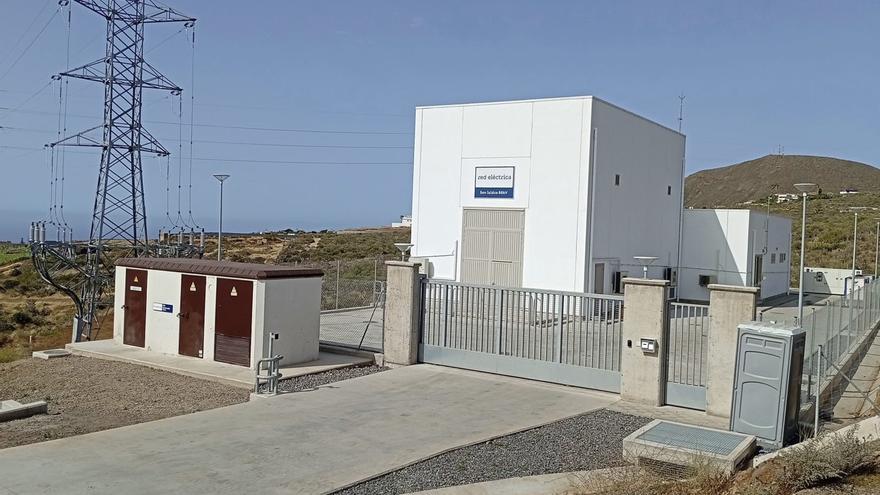
The Canary Islands, a stunning archipelago known for its breathtaking landscapes and vibrant culture, has recently undergone a remarkable transformation in its electric grid. This change, fueled by a substantial investment of nearly €1.8 billion from Red Eléctrica, a subsidiary of Redeia, marks a significant milestone in the region’s energy landscape. Over the past decade, since the company acquired transport assets in 2011, the focus has shifted from merely constructing new lines and substations to developing a comprehensive transport network tailored to the unique challenges of the islands’ eight isolated electrical systems.
A Strategic Approach to Energy
The strategy behind this transformation is multifaceted. It emphasizes not just the physical infrastructure but also the integration of renewable energy sources, enhancing supply security, and preparing the region for a sustainable energy transition. The Canary Islands have long faced challenges due to their geographical isolation, making a robust and reliable electric grid essential for both residents and the tourism industry that significantly contributes to the local economy.
Impressive Network Availability
Fifteen years into this ambitious project, the results are impressive. Network availability has soared to over 98%, matching or even surpassing the quality levels found on the Spanish mainland. This achievement is a testament to the effectiveness of the investments made and the strategic planning involved. The improvements have paved the way for the adoption of new technologies and the development of key projects, such as the Salto de Chira hydroelectric plant on Gran Canaria, which plays a crucial role in facilitating the integration of renewable energy into the grid.
Rising Renewable Energy Capacity
The impact of these developments on renewable energy capacity is noteworthy. From 2021 to 2025, the share of renewable energy in the Canary Islands is projected to rise from 23% to nearly 30%. Additionally, the coverage of energy demand through renewables has increased from 19.9% to 20.9%, reaching 22.5% when factoring in self-consumption. While there is still work to be done to meet ambitious energy goals, these figures underscore the critical role that a robust electric network plays in decarbonizing the Canary Islands’ energy system.
Inter-Island Benefits
Each island in the archipelago has reaped the benefits of this transformation. In the eastern province, the interconnection between Lanzarote and Fuerteventura has significantly improved supply quality. This mutual support between systems not only enhances reliability but also promotes greater integration of renewable energy sources. Innovative technologies, such as the synchronous compensator in Fuerteventura and the ViSync project in Lanzarote, have been instrumental in bolstering network stability and efficiency.
Enhancements in Santa Cruz de Tenerife
In Santa Cruz de Tenerife, the investments have led to substantial improvements in the electrical system. Initiatives like the underwater Tenerife-La Gomera connection and the establishment of new substations have equipped the region to incorporate more renewable energy sources. Furthermore, the implementation of dynamic line rating systems has optimized transportation capacity, facilitating the seamless integration of renewable energy into the grid.
The Foundation for a Sustainable Future
Overall, the developments in the Canary Islands’ electric grid illustrate that a successful energy transition hinges on a modern, interconnected, and resilient transport network. The nearly €1.8 billion invested by Red Eléctrica since 2011 lays a strong foundation for a safer, more efficient, and sustainable electric system. As the islands continue to evolve, the commitment to enhancing their energy infrastructure will undoubtedly play a pivotal role in shaping a greener future for generations to come.
For more detailed insights, you can check the source here.