The Importance of Quality Tourist Attention in Antigua
In the competitive landscape of tourism, the image that a destination projects is not just about picturesque views or historical landmarks; it is heavily influenced by the quality of direct attention given to tourists. This perspective, emphasized by Verde, highlights a crucial point: “the image we project is also constructed from the direct attention to the tourist.” This insight becomes particularly pressing at a time when destinations worldwide are racing not just to attract visitors but to offer exceptional experiences from the moment they arrive.
Administrative Limitations: A Barrier to Service
While it is acknowledged that administrative bodies can face difficulties, especially regarding staffing, these challenges cannot serve as an enduring excuse for the lack of essential services. Verde aptly notes, “We understand the limitations, but there are decisions that make a difference, and this is one of them.” This statement underscores the necessity of establishing clear priorities within the local administration.
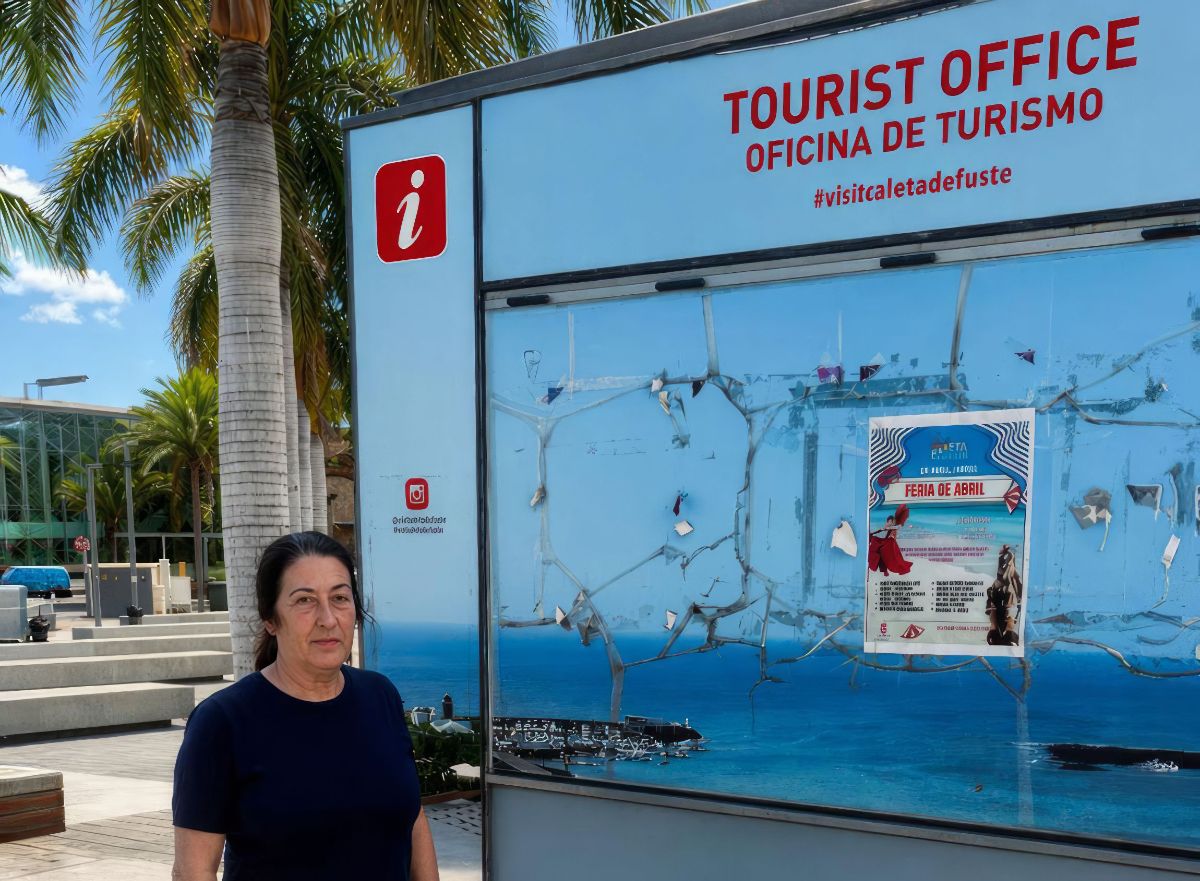
For a tourism-dependent economy like Antigua, the decision to keep key services—such as tourist information points—closed seems irrational. The significance of tourism as the main economic driver cannot be overstated, making the closure of a visitor information center in the municipality’s most frequented area a decision that defies basic economic sense. How can a community expect to thrive on tourism when essential resources to assist and engage visitors are unavailable?
Urgent Solutions on the Table
Acknowledging the urgency of the situation, the Partido Popular (PP) has proposed several alternatives aimed at ensuring that the tourist information service reopens as soon as possible. Options include temporary staffing reinforcements or a more efficient reallocation of existing resources. The PP has also called on the governing body to provide clear, transparent information regarding the current circumstances and the plans in place to restore this crucial service.
Verde’s declaration succinctly encapsulates the local sentiment: “Antigua has immense tourist potential, and we must rise to the occasion. Reopening this point is a question of responsibility and commitment to our municipality.” This call to action reflects not just a concern for local businesses and tourism operators, but also a deep-rooted desire to deliver on the promised potential that the area has to offer.
The Bigger Picture: Impact on Visitors and Residents
The ramifications of closing a tourist information point extend beyond mere inconvenience; they touch the core of the visitor experience. Tourists arriving in a new destination often seek immediate assistance to help navigate local attractions, dining options, and cultural experiences. An open information center can serve as a welcoming beacon, bridging the gap between tourists and the community. Its absence can leave visitors feeling lost or underwhelmed, impacting their overall perception of Antigua.
Furthermore, local residents benefit from an active tourism sector, as it contributes to jobs, funding for public services, and a vibrant local culture. A thriving tourism industry attracts investment and encourages the development of new businesses. Thus, ensuring that essential services are operational not only enhances the visitor experience but also strengthens the community’s economic foundation.
The Role of Leadership and Responsibility
Ultimately, this situation boils down to leadership and the prioritization of resources. The call for reinstating the tourist information service is not merely a bureaucratic concern but a matter of local identity and pride. Effective leadership involves making tough decisions that may require reallocating resources or investing in temporary solutions that can ameliorate immediate problems.
By focusing on enhancing the tourist experience from the moment they arrive, local authorities in Antigua can cultivate a positive image that resonates beyond the town limits. Such proactive measures can lead to deeper connections with visitors, fostering repeat trips and positive word-of-mouth recommendations—critical elements in securing Antigua’s place on the global tourism map.
In summary, the interplay between administrative decisions, tourist experiences, and local economic prosperity underscores the importance of maintaining vital services like tourist information points. As stakeholders push for action, the hope is that a renewed focus on delivering exceptional tourist attention will pave the way for a brighter future for both Antigua and its visitors.