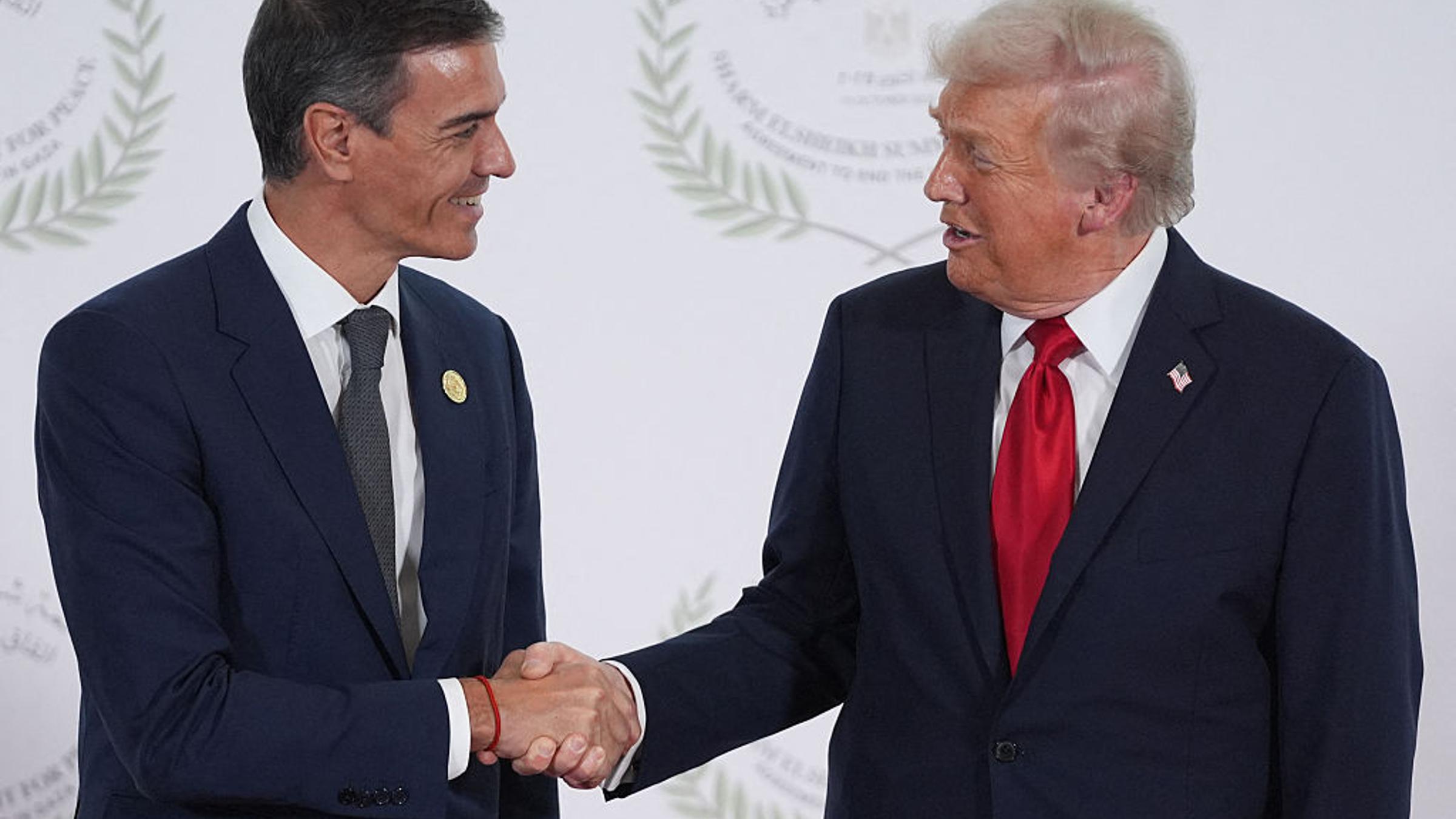
The Complexities of Trade Embargoes: A Case Study on Spain and the Turnberry Agreement
In the intricate world of international relations, trade agreements often serve as the backbone of diplomatic ties. However, the introduction of trade embargoes can complicate these relationships significantly. A recent discussion surrounding a potential trade embargo with Spain has brought to light the nuances of the Turnberry agreement, raising questions about legality, practicality, and political implications.
The Framework of the Turnberry Agreement
One of the central arguments against a trade embargo with Spain is its potential conflict with the Turnberry agreement. This agreement, which aims to foster cooperation among member states, is designed to prevent any one country from being singled out for punitive measures. Critics argue that imposing an embargo on Spain would not only undermine the spirit of the agreement but also disrupt the delicate balance of relationships within the European Union (E.U.).
Political vs. Legal Interpretations
Adding another layer to the debate, Claussen, a prominent expert in international trade, asserts that the Turnberry agreement is fundamentally a political deal rather than a legally binding one. “We don’t have any legally-binding text,” she points out, emphasizing that the absence of formal legal constraints allows for significant flexibility in interpretation. This raises the question: if the President were to alter the terms of the agreement, what would prevent such a shift apart from maintaining a positive relationship with the E.U.?
Historical Context of Undermining Agreements
The Administration’s track record suggests a pattern of undermining agreements, which adds to the skepticism surrounding the Turnberry framework. Experts have noted instances where discord has arisen, such as in February when the E.U. had to freeze the implementation of the agreement due to additional tariff threats made by Trump. This historical context underscores the fragility of international agreements and the ease with which they can be disrupted.
The Practicality of an Embargo
Even if the legal authority for a trade embargo exists, experts question its feasibility. Demertzis highlights a critical point: the European Union operates as a single market, designed to eliminate internal trade barriers. This structure complicates the idea of targeting a single member state like Spain. “You cannot block trade with Spain, because Spain can still import from the U.S. via France,” she explains, illustrating the interconnectedness of trade within the E.U.
The Role of Member States in Trade Dynamics
The implications of a trade embargo extend beyond just the targeted country. The interconnected nature of the E.U. means that any punitive measures against one member state could inadvertently affect others. This raises concerns about the potential for economic fallout that could ripple through the entire union, complicating diplomatic relations further.
Conclusion
As discussions around trade embargoes continue to evolve, the case of Spain and the Turnberry agreement serves as a poignant reminder of the complexities involved in international trade relations. The interplay between legal frameworks, political motivations, and practical realities creates a multifaceted landscape that requires careful navigation. Understanding these dynamics is crucial for policymakers and stakeholders as they consider the implications of their decisions on the global stage.