Spain’s Bold Move: Expanding Smoke-Free Areas
Spain is on the brink of a significant transformation in its public health policy, particularly concerning smoking regulations. The Council of Ministers has recently approved a sweeping reform aimed at expanding smoke-free areas across the country, including the picturesque Canary Islands. This legislative proposal, which still requires parliamentary approval, promises to reshape the landscape of public spaces in Spain.
A Comprehensive Ban on Smoking and Vaping
The proposed legislation seeks to ban smoking and vaping in a wide array of outdoor public spaces. This includes:
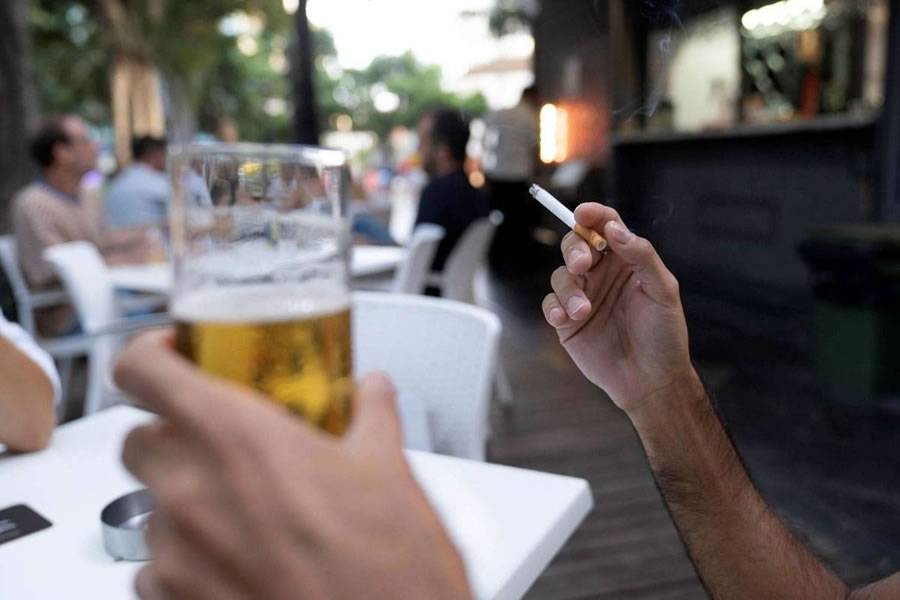
- Bar and Restaurant Terraces
- Beaches and Riverbanks
- Public Swimming Pools
- Sports Facilities
- University Campuses
- Outdoor Concerts, Festivals, and Public Events
If passed, this reform will represent the most significant overhaul of Spain’s tobacco laws since the indoor smoking ban was enacted over a decade ago. The initiative aims to protect the public from the harmful effects of second-hand smoke and create healthier environments for everyone.
Smoke-Free Zones Around Sensitive Areas
In addition to the broad ban on smoking in public spaces, the legislation proposes the establishment of a 15-meter smoke-free zone around sensitive locations such as:
- Schools
- Hospitals and Healthcare Centers
- Research Facilities
- Museums and Libraries
- Children’s Playgrounds
Within these designated areas, both traditional tobacco products and e-cigarettes would be prohibited. However, nicotine pouches would be exempt from this restriction since they do not produce smoke or vapor.
New Regulations for Underage Smokers
One of the most notable aspects of the proposed law is its focus on protecting young people. For the first time, it will be illegal for anyone under the age of 18 to smoke or use vaping products. Previously, while the sale of tobacco to minors was prohibited, there were no direct penalties for young smokers. Under the new regulations, individuals caught violating this rule could face fines starting at €200. If the offender is a minor, their parents or legal guardians would be responsible for the penalty, although community service may be offered as an alternative.
Health Minister Mónica García emphasized that this reform aims to protect individuals from second-hand smoke and reduce nicotine addiction among teenagers, a growing concern in today’s society.
Equal Treatment for Vaping Products
The new legislation also aims to close existing loopholes by placing electronic cigarettes and vaping devices under the same legal restrictions as traditional tobacco products. This means that regardless of whether they contain nicotine, vaping products would only be available from authorized outlets, such as licensed tobacco shops. This move is expected to reduce the appeal of colorful vaping products often marketed as safer alternatives, particularly among young people.
Rising Vaping Trends Among Teenagers
The urgency for these reforms is underscored by alarming statistics. According to Spain’s 2025 ESTUDES survey, nearly 49.5% of teenagers aged 14 to 18 have tried an e-cigarette, with the number of those who reported vaping in the previous month nearly doubling since 2019. While daily cigarette smoking among teenagers has decreased to 4.3%, the rise in vaping is a cause for concern, prompting the government to take decisive action.
Stricter Advertising Controls
In addition to the smoking and vaping bans, the proposed reform includes stringent new rules on tobacco and vaping advertising. Displays promoting tobacco products would be banned from shop windows, hospitality venues, and public spaces. This includes restrictions on vending machines, websites, and other forms of direct or indirect promotion. Television broadcasters and online media platforms would also be prohibited from showing presenters or guests using tobacco products or vaping devices.
The Path to Parliamentary Approval
Despite the Council of Ministers’ approval, the legislation has not yet become law. It will now be debated in Spain’s Parliament, where the government must secure enough support for it to pass. Opposition parties, including the Popular Party (PP), have expressed their intention to review the final text before deciding whether to back the reforms. While the PP supports stronger restrictions on youth vaping, they have raised concerns about the potential impact of banning smoking on hospitality terraces, particularly for bars, cafés, and restaurants.
If approved, this legislation could mark one of Spain’s most significant public health reforms in recent years, with far-reaching implications for residents and visitors alike. The proposed changes reflect a growing commitment to public health and the well-being of future generations, setting a precedent for other nations to follow.