The Challenge of Housing in Fuerteventura: A Political Perspective
An Insight into Local Governance
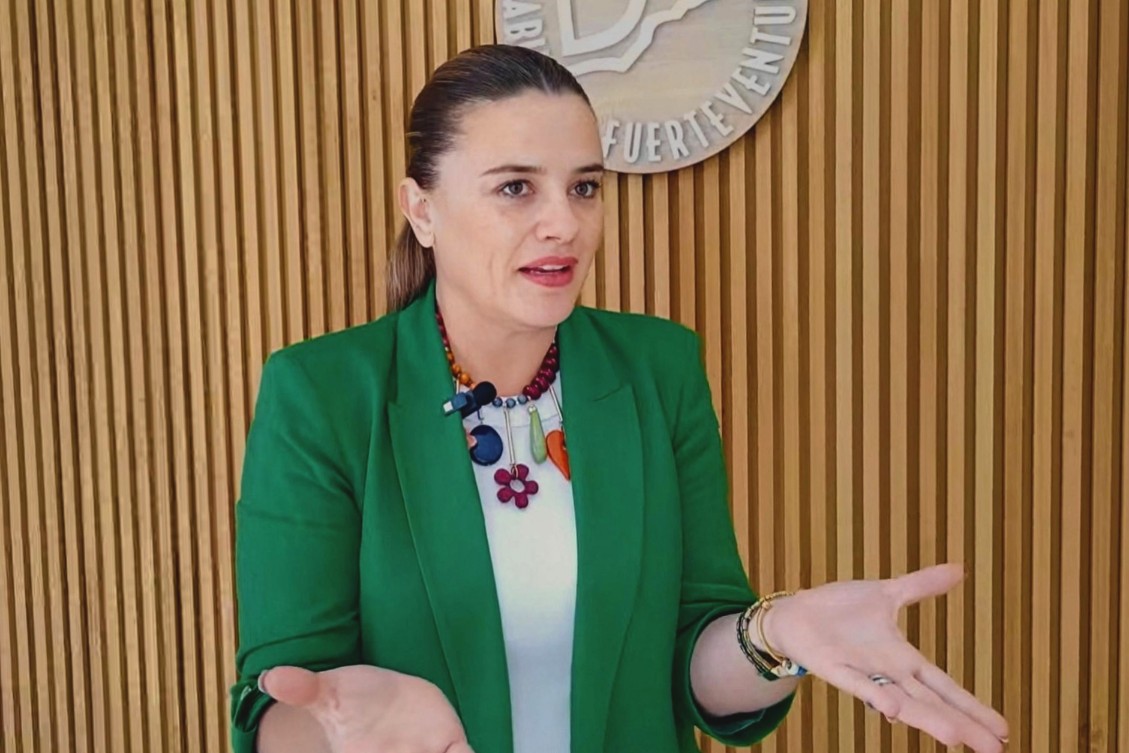
Nuria Cabrera, the local secretary of the Majorera Assembly from the Coalición Canaria in Puerto del Rosario, has addressed a critical topic in her recent opinion piece: the use of the FDCAN (Fondo de Desarrollo de Canarias) to enhance housing promotion in Fuerteventura. As a counselor responsible for economic affairs and the spokesperson for her party in the island’s governing body, Cabrera provides a detailed examination of the ongoing discussions about housing and the various proposals being considered by local authorities.
The Urgent Call for Housing Assistance
The discussion emerges in response to the “Plan Vive,” presented by the Partido Popular (PP) of Fuerteventura, which urges the local government to declare a housing emergency. This plan includes proposals such as collaborating with professional associations to expedite necessary reports, utilizing island-owned land, and leveraging FDCAN funds for public housing initiatives. Cabrera presents these issues against the backdrop of a growing housing crisis on the island, emphasizing not only the urgency but also the complexity of finding feasible solutions.
Budgetary Constraints of the FDCAN
Cabrera articulates a critical stance on the use of the FDCAN funds, indicating that these resources are already allocated to essential infrastructure projects across the island. The annual transfer of 19 million euros to the Cabildo for infrastructure development illustrates the financial challenges facing any major housing initiative. Her argument raises vital questions about prioritization: if these funds are diverted for housing, which critical infrastructure projects will be sidelined? Should the funding for important sports facilities or road safety improvements be compromised? This prudent approach to governance underscores the need for a balanced and responsible allocation of limited resources.
Alternative Approaches to Housing Solutions
Rather than strictly focusing on the FDCAN as a solution, Cabrera suggests an alternative. By utilizing the Cabildo’s own budget, she asserts that over 50 million euros can be directed toward construction and rehabilitation projects in collaboration with various municipalities, demonstrating a more sustainable approach to addressing housing needs. This strategy reflects a commitment not only to immediate concerns but to fostering long-term partnerships with local governments in Puerto del Rosario, La Oliva, and Pájara.
Collaborative Governance for Structural Problems
Cabrera stresses that the housing issue is a complex, systemic challenge that extends beyond the responsibilities of any single administration. She advocates for a coordinated effort involving various levels of government—municipal, regional, and even European—to tackle the structural roots of the housing crisis. The understanding here is that no singular solution or rapid fix can address the broad scope of the problem; it requires a multi-faceted and integrated approach.
The Need for Realistic Solutions
Addressing the misconception that immediate solutions are within easy reach, Cabrera notes the importance of realistic planning and resource commitment. Promoting new housing while also rehabilitating existing structures strikes a balance that can help alleviate the housing crisis without further straining natural resources. Her argument emphasizes that political decisions must reflect the sustainability of Fuerteventura’s environment, recognizing the responsibility leaders have to protect their territory.
Employment Initiatives and Institutional Integrity
The discussion of housing seamlessly intertwines with employment strategies—another critical issue in Fuerteventura. Cabrera outlines how decisions regarding employment programs are grounded in established criteria set by the Federación Canaria de Municipios (FECAM) and implemented via municipal technical services. This underscores the importance of maintaining institutional integrity and credibility, especially when numerous citizens depend on such initiatives for their livelihoods.
Facing Legal and Structural Challenges
Cabrera points out the complex legal landscape impacting employment initiatives, particularly concerning the PFAE (Programa de Formación en Alternancia con el Empleo) schemes. Changes in national legislation have created hurdles for hiring educational staff, complicating efforts to provide consistent employment opportunities for locals. The prudence in decision-making reflects the necessity of managing responsibilities effectively, even in less favorable circumstances.
A Call for Political Maturity
Amidst this landscape of challenges and solutions, Cabrera articulates a vision for a more collaborative political environment. While acknowledging the role of opposition, she emphasizes the public’s desire for constructive dialogue rather than a constant cycle of confrontation. Her appeal for cooperative governance aims to forge a productive political atmosphere where meaningful solutions can flourish, rather than being bogged down by partisan disagreements.
Sustained Focus on Progress
Cabrera’s commitment to transparent governance, ongoing dialogue between institutions, and a shared resolve to address long-standing issues illustrates a forward-thinking approach. The advocacy for solid institutions and constructive collaboration signals her vision for a responsive government that listens, clarifies, and acts with a steady hand amidst the noise of political debate. As Fuerteventura grapples with pressing needs, her insights lay the groundwork for a focused commitment to tackling both housing and employment challenges in a structured and thoughtful manner.
Though the journey ahead is fraught with challenges, Cabrera’s perspective offers a glimpse into the complexities and governance dilemmas that demand attention and strategic navigation in Fuerteventura’s political landscape.