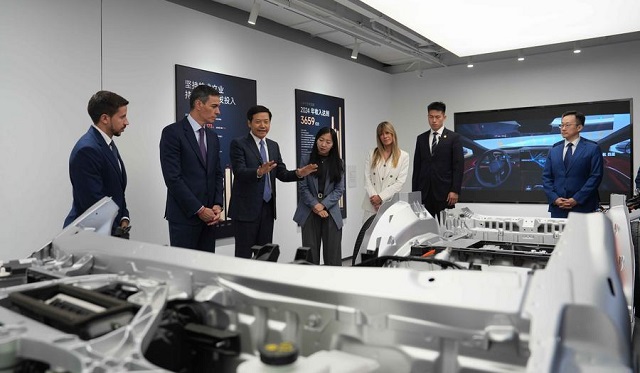
The Significance of Pedro Sanchez’s Visit to Xiaomi: A New Era of Cooperation
Introduction to the Visit
Spanish Prime Minister Pedro Sanchez’s recent visit to the headquarters of Xiaomi in Beijing marks a pivotal moment in international relations and technology collaboration. This visit, part of his fourth consecutive annual trip to China, underscores a growing trend among Western leaders to engage with Chinese tech firms, moving away from previous narratives of decoupling and distrust.
A Shift in Diplomatic Engagement
Sanchez’s visit follows a series of high-profile trips by leaders from developed nations, including France’s Emmanuel Macron and Germany’s Friedrich Merz. These visits reflect a collective recognition of China’s technological advancements and energy innovations. The atmosphere has shifted from skepticism to a renewed eagerness to explore cooperative opportunities, particularly in the tech sector.
The Allure of Chinese Innovation
The focus on technology during these diplomatic engagements is telling. Leaders are not merely engaging in broad discussions; they are actively seeking to understand and integrate China’s innovation-driven dynamism into their own economies. This trend is evident in the enthusiastic displays of cutting-edge technology, such as humanoid robots and AI-powered devices, showcased during Merz’s visit.
China as a Trading Partner
China’s role as a critical trading partner has been reaffirmed, particularly in the context of Germany, which recently saw China surpass the United States as its largest trading partner. The surge in imports of data processing equipment and electronics from China highlights its significance in global supply chains, particularly as countries seek to upgrade their industrial capabilities.
The Rise of AI and Semiconductor Technology
China’s influence extends into the realm of artificial intelligence and semiconductor technology. The global dominance of Chinese tech firms in open-source AI models is lowering barriers to adoption and enhancing accessibility for businesses worldwide. Additionally, partnerships like the one between South Korea’s STI and Chinese manufacturers signal a growing reliance on China for essential components in new energy vehicles and smart grids.
Clean Energy Initiatives
Amid geopolitical tensions, China’s advancements in clean energy are gaining international recognition. Leaders like Canada’s Mark Carney are actively engaging with Chinese firms in the clean energy sector, recognizing the potential for collaboration. Investments from Chinese companies, such as HiTHIUM’s commitment to the UK, illustrate the tangible benefits of these partnerships, promising job creation and technological advancements.
Spain’s Strategic Collaborations
Spain is already reaping the rewards of its engagement with Chinese tech firms. The joint venture between CATL and Stellantis to establish a battery plant in Spain is a significant step toward achieving Europe’s energy transition goals. This collaboration not only enhances Spain’s industrial landscape but also strengthens its ties with China.
Middle Eastern Partnerships with China
The interest in China is not limited to Europe. Middle Eastern nations, particularly the UAE, view China as a strategic partner in their transition away from fossil fuels. Collaborations in renewable energy projects and autonomous driving technology are becoming increasingly common, showcasing the mutual benefits of these partnerships.
Long-Term Investment Perspectives
The influx of investments from Middle Eastern sovereign wealth funds into Chinese tech firms signifies a shift in perception. Investors are now viewing the Chinese market as a long-term opportunity rather than a short-term speculative venture. This change is reflected in the recommendations from major financial institutions to invest in Chinese tech assets, indicating a growing confidence in China’s economic resilience.
China’s Development Roadmap
Recently, China unveiled a five-year development roadmap that outlines its commitment to advanced manufacturing and emerging industries. This strategic plan is designed to enhance China’s global competitiveness while fostering international collaboration. The concept of “Sinofuturism” is gaining traction, suggesting that China’s technological trajectory will play a crucial role in shaping global futures.
Conclusion: A Reliable Partner in Turbulent Times
As global uncertainties continue to rise, China positions itself as a reliable partner for nations seeking stability and growth. Sanchez’s remarks at Tsinghua University encapsulate this sentiment, emphasizing that a prosperous future for humanity is intertwined with China’s participation. This visit not only highlights the importance of technological collaboration but also signals a broader shift toward a more interconnected global landscape.


