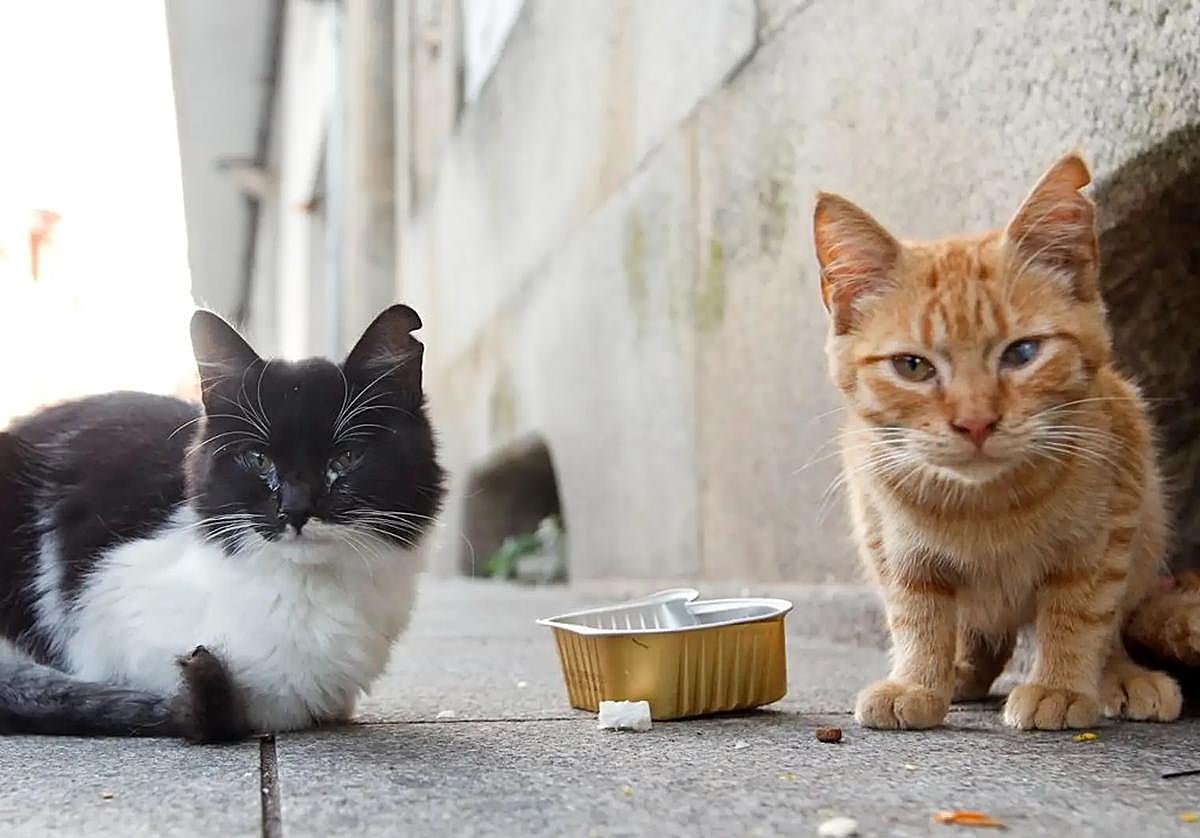
Feline Control Initiative in Fuerteventura’s Centro-Sur
The Centro-Sur Municipal Commonwealth of Fuerteventura is launching a much-needed campaign aimed at controlling the burgeoning population of feral cats. In recent times, the presence of stray cats roaming the streets of various localities has stirred up considerable concern among residents, prompting a wave of criticisms. This initiative, designed to address these issues compassionately, utilizes a proven method known as CER—Capture, Spay/Neuter, and Return.
Understanding the CER Method
At the heart of this initiative is the CER method, a humane strategy that focuses on managing the population of feral cats. Here’s how it works:
-
Capture: Dedicated teams will safely capture stray cats in identified colonies.
-
Spay/Neuter: Once captured, the cats will be taken to participating veterinary clinics where they will undergo sterilization. This crucial step is aimed at preventing further reproduction, thus addressing the root of the problem.
-
Return: After recovery from the surgery, the cats will be returned to their original location. This step is vital as it allows the animals to continue to live in familiar environments while reducing their numbers over time.
The initiative is set to roll out across the municipalities of Antigua, Tuineje, Pájara, and Betancuria, providing a structured and compassionate approach to managing the growing feral cat population.
Collaboration Among Stakeholders
A collaborative effort is vital to the success of this campaign. The Centro-Sur Commonwealth is working closely with licensed veterinary professionals, including the Official College of Veterinarians of Las Palmas and a partnering veterinary clinic. This collaboration ensures that all actions taken during the campaign adhere to established health and animal welfare standards.
The involvement of the Veterinarians’ College is particularly significant. They play an essential role in monitoring the procedures, ensuring that the health and well-being of the animals are prioritized. Additionally, this partnership helps to create a database for identification and registration of the cat colonies, making the process more organized and effective.
Community Engagement and Education
Beyond the technical aspects of the campaign, community engagement is equally crucial. Local governments are tasked with identifying critical areas where stray cats are prevalent. Furthermore, they will drive awareness campaigns aimed at educating residents about coexistence and compassion towards animals.
Raising awareness not only helps in informing the public about the initiative but also encourages a shift in societal attitudes towards stray animals. Sensitizing the community about the importance of respecting and caring for all living beings is fundamental in fostering an environment conducive to the success of the campaign.
Addressing Residents’ Concerns
The increasing number of feral cats has understandably raised alarms among residents in the affected municipalities. Complaints have highlighted issues ranging from concerns over hygiene to the potential impact on local wildlife. By implementing the CER method, the Commonwealth of Municipalities is directly addressing these resident concerns while maintaining a commitment to animal welfare.
Through this initiative, the goal is not just to control the population of stray cats but also to ensure their humane treatment. The campaign sends a strong message about the importance of cohabitation and the responsibility that comes with it.
As the campaign begins its initial phase, there is a strong hope among stakeholders and residents alike that it will lead to a more balanced relationship between humans and nature, allowing for a peaceful coexistence with our four-legged friends.