The Price of Fame: Popcorn Beach and Its Challenges
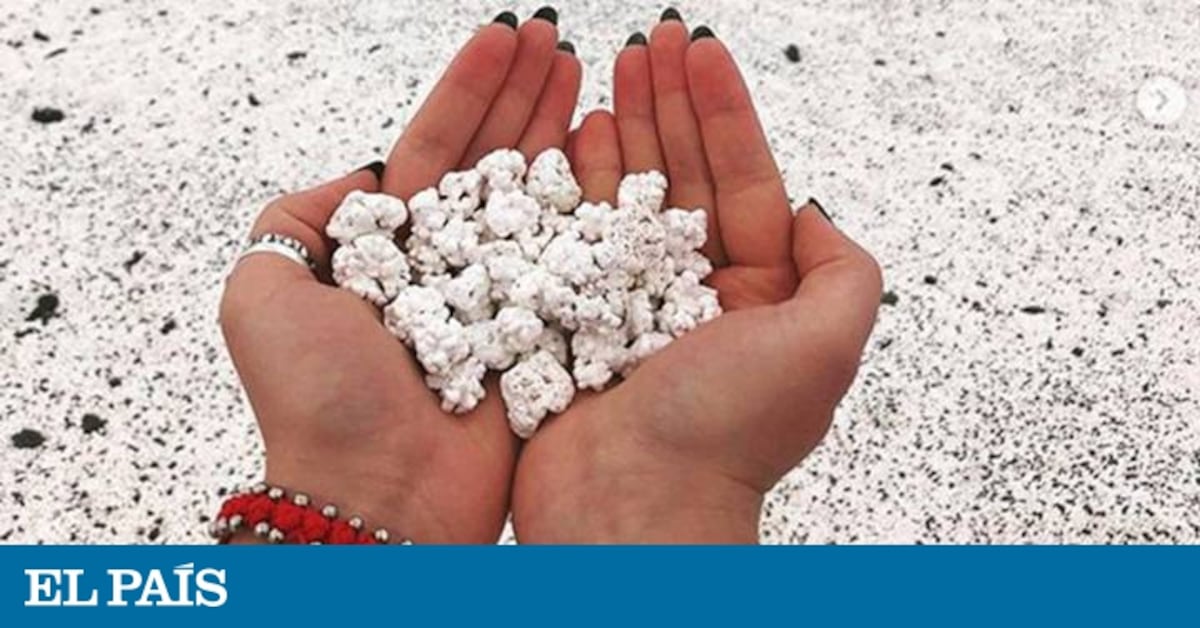
Fame comes with its own set of consequences, and the scenic Popcorn Beach on the northern coast of Fuerteventura is experiencing this firsthand. The beach, which is not sandy but rather adorned with unique, popcorn-like calcified algae known as rodolitos, has garnered global attention since being featured on Instagram. Unfortunately, this newfound fame is taking a toll on the beach’s natural landscape.
The Rise to Fame
The first Instagram post featuring the hashtag #PopCornBeach dates back to June 27, 2015. Since then, the allure of this unusual beach has attracted photographers and nature enthusiasts from around the globe, resulting in thousands of posts highlighting its stunning beauty. By the end of last year, media outlets like Fox News and the Daily Mail were reporting on the beach, and what was once a hidden gem frequented primarily by surfers has now become a major tourist hotspot.
The Unique Algal Formations
Rodolitos are a unique phenomenon, characterized by a slow growth rate of about one millimeter per year. These calcified algae thrive in the ocean, typically at depths of around 20 meters. According to biologist Francisco Otero from the Ecoaqua Institute at the University of Las Palmas, some of these structures can grow to impressive sizes—up to 25 centimeters. This implies that they may have lived for over 250 years, playing a vital role in combating climate change through their capacity to absorb carbon dioxide from seawater. Their unique cavities provide a safe nesting ground for various marine species, making them an essential part of the coastal ecosystem.
Environmental Concerns: The Impact of Extraction
Sadly, the rise in tourism has led to significant environmental concerns. An estimated ten kilograms of these rodolitos are taken from Popcorn Beach every month, primarily by visitors. Paleontologist Esther Martín, conservator at the Nature Museum of Tenerife, notes that despite the beach not being classified as a protected natural space, it is illegal to remove any natural elements, including the rodolitos. This extraction is disrupting natural beach formation processes and poses a risk to the delicate ecosystem.
Local Perspectives and Community Efforts
The mayor of La Oliva, Isaí Blanco, acknowledges that locals have traditionally taken small amounts of rodolitos for decorative purposes. However, he expresses concern over the increase in exploitation: “People are taking them away by the bucketful.” In response, the local government is implementing a campaign called Pasa sin huella por La Oliva (Leave No Trace in La Oliva), aimed at enhancing awareness among both residents and tourists. This initiative involves educational talks in local schools and collaborations with tour operators to promote responsible tourism.
Advocacy for Preservation
Environmental advocate Jaime Coello emphasizes the urgent need for increased oversight and penalties for those who disregard the laws protecting natural resources. He points out that it is disheartening to see rodolitos decorating homes and even hotels in Fuerteventura. With only seven agents responsible for monitoring nature reserves on the island, the capacity for effective enforcement is severely limited. Coello warns that the increase in infractions against natural heritage is not confined to Popcorn Beach; it extends across the island, encompassing vandalism of archaeological sites and destruction of fossil dunes.
Conclusion: A Call for Awareness
As the fame of Popcorn Beach continues to grow, so does the responsibility of both visitors and residents to protect this unique environment. Through local initiatives and education, there is hope for a sustainable balance that allows future generations to enjoy the beauty of this natural wonder without sacrificing its integrity.