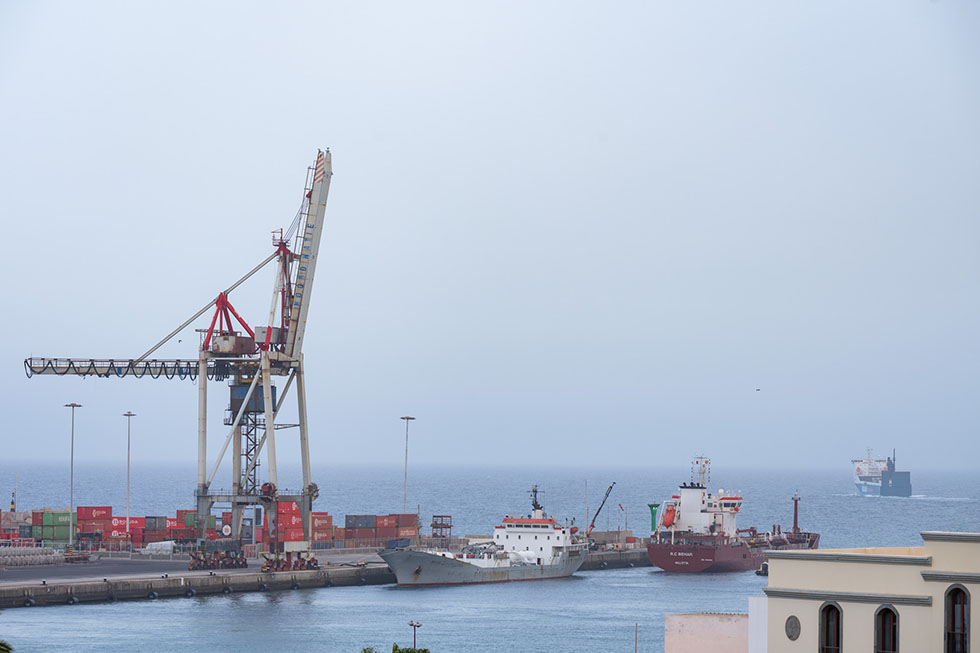
The Disappearance of the Maritime Connection between Cádiz and Puerto del Rosario
On June 30, the maritime connection linking Cádiz to Puerto del Rosario came to an unexpected end. This date marked the termination of the Public Service Obligation (OSP) contract previously operated by naviera Armas-Trasmediterranea, now taken over by Baleària Canarias. Unfortunately, this transition means there will no longer be a direct stop in the capital of Fuerteventura.
Changes in Travel Options
During the recent V Economic Forum in Lanzarote, Baleària’s president, Adolfo Utor, announced that travelers looking to traverse between Cádiz and Fuerteventura would need to adapt to new routes. Instead of a direct ferry, passengers will have to choose between an intermodal connection via Corralejo, which involves both boat and bus, or transport goods via road, involving transfers through Playa Blanca. Another alternative includes traveling from Morro Jable to Tenerife, then embarking towards Cádiz.
A New Cargo Ship and Service Announcements
On the same day the Cádiz-Puerto del Rosario connection was severed, Baleària made a significant announcement regarding their cargo services. They revealed the introduction of the “Josefina de la Torre,” a ro-ro cargo ship boasting the largest historical capacity for transporting goods in the Canary Islands. This impressive vessel can take on 4,000 linear meters of cargo, accommodate 280 trucks, and is equipped with 230 electrical connections for refrigerated units. This change aims to significantly enhance weekly cargo transport capabilities from the Islands to Cádiz.
Despite these developments, local authorities are expressing dissatisfaction, especially in Fuerteventura. The insular council, the Puerto del Rosario City Council, and even the Port Authority of Las Palmas are among those calling for a restoration of the direct connection.
Institutional Concerns and Calls for Action
David de Vera, the mayor of Puerto del Rosario, has reached out to various government officials, including the Minister of Transport and Sustainable Mobility, Óscar Puente, and the senator for Fuerteventura, Paloma Hernández Cerezo, expressing “institutional concern” over the recent developments. De Vera emphasizes that the renewal of this contract doesn’t merely impact transportation services—it fundamentally influences the connectivity model across the Archipelago. He argues that it affects territorial cohesion, supply stability, and economic competitiveness across the Islands.
Moreover, the interruption occurs during a period of growth for the Puerto del Rosario dock, which is already surpassing 1.5 million tons of annual cargo. Authorities emphasize the importance of treating Fuerteventura as a key logistical hub rather than a secondary player in the maritime network.
The Need for a Balanced Approach
De Vera insists that any future service restructuring must prioritize a balanced territorial approach. He cautions against excessive concentration of services in major ports, which could undermine the operational functionality of emergent infrastructures like Fuerteventura’s. Drawing from past experiences, he argues that route configurations have historically led to discrepancies in connectivity, logistical costs, and investment opportunities between the islands.
The call to action includes urging that the new OSP terms guarantee genuine integration across all islands, ensuring the operational continuity of Puerto del Rosario as part of the maritime corridor.
Economic Growth and Stability
The Cabildos (local councils) of the eastern islands of the Archipelago acknowledge their role in leading the economic growth of the Canary Islands, with Fuerteventura seeing a remarkable 59.1% growth from 2010 to 2023. Both the Cabildos underline the need for economic diversification—beyond tourism—to sectors such as technology and sustainable agriculture, enhanced infrastructure, and public service improvements that boost island competitiveness and resident quality of life.
The Importance of Maritime Connectivity
Juan Jesús Rodríguez Marichal, president of the Chamber of Commerce, highlights that maritime connectivity extends beyond passenger transport; it is vital for the supply of goods, industrial development, and overall competitiveness. He advocates for ensuring stable minimum frequencies for non-capital ports, obligatory port calls not just based on profitability, sufficient capacity for cargo, and efficient logistical scheduling. The challenge is to rectify existing imbalances ensuring that ports like Puerto del Rosario play an essential role in emerging sectors linked to the maritime economy, renewable energies, and logistics.
Legislative Discussions
The situation has compelled action within the Canary Islands Parliament, which unanimously approved a motion concerning the expedited licensure of the Cádiz-Puerto del Rosario line. This legislative move reflects the growing urgency from users, businesses, and logistical operators directly impacted by the cessation of the line.
Many passengers have reported canceled bookings for the summer months due to the uncertainty surrounding operational continuity, pushing travelers to reroute through Arrecife instead.
Impacts on Living Costs
Concerns raised by local authorities underscore the potential consequences of losing this maritime route, particularly the rippling effects on living costs across Fuerteventura and the Canary Islands. An increase in logistical expenses could push up prices for basic goods, impacting thousands of families in the region. The potential loss of this connection could diminish Fuerteventura’s economic competitiveness, exacerbating the inflation already being felt by its residents.
A Legislative Framework for the Future
Legislative representatives are highlighting the necessity of safeguarding this vital maritime connection. They reference constitutional principles aimed at ensuring territorial equity and propose measures that compel authorities to enhance connectivity while recognizing the unique challenges faced by ultra-peripheral regions.
The focus remains on prompting immediate action to secure the maritime routes vital for the integration, progress, and sustainable future of the Canary Islands.