Revitalizing Fuerteventura’s Terrestrial Ecosystems
The stunning island of Fuerteventura, known for its breathtaking landscapes and unique biodiversity, is embarking on an ambitious project aimed at restoring its terrestrial ecosystems. Spearheaded by the Cabildo de Fuerteventura through the Department of Environment, this initiative focuses on the recovery of native flora, the eradication of invasive species, and the establishment of infrastructure for the conservation of endemic plant species.
Key Project Areas: La Oliva and Castillo de Lara
The project will be implemented in two crucial areas of the island: the La Oliva Biological Station and the Public Mountain of Castillo de Lara, located within the Betancuria Rural Park. These sites were carefully selected for their ecological significance and potential impact on local biodiversity.
Commitment to Biodiversity
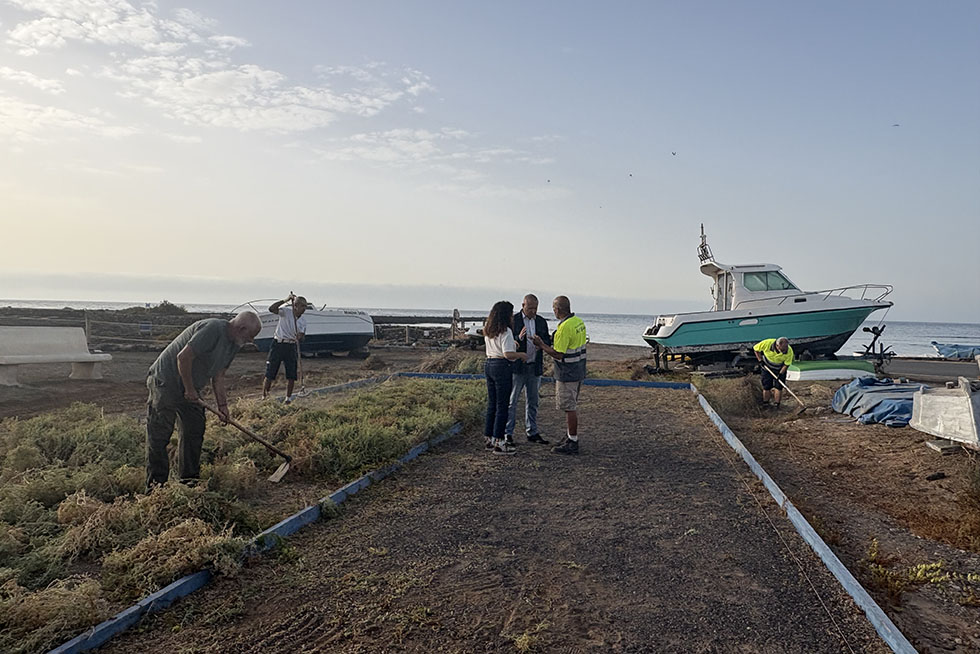
Lola García, the island’s president, emphasizes the commitment of the Cabildo to safeguarding Fuerteventura’s natural heritage. “The initiative being undertaken from the La Oliva Biological Station showcases our dedication to preserving our territory and biodiversity,” she stated. This initiative ushers in a new era of ecological responsibility, aligning with broader global objectives aimed at environmental conservation.
Funding and Project Duration
Financed by the NextGeneration European Funds, this project is set to be executed over a span of eight months. Carlos Rodríguez, the Environment Counselor, elaborated on the project’s significance, stating, “This initiative will enable the creation of sustainable infrastructures and the development of scientific and educational programs at the La Oliva Biological Station. It solidifies our commitment to protecting our invaluable natural heritage.”
Infrastructure Enhancements
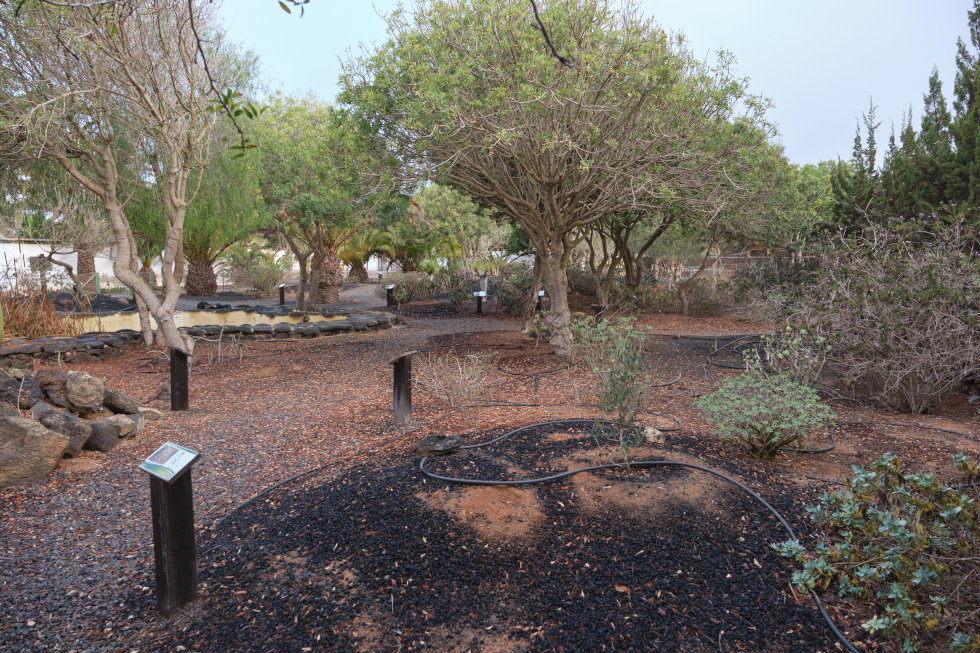
Among the highlights of the project are the installation of a multi-tunnel greenhouse spanning 3,224.50 square meters and a supplementary storage facility measuring 237.50 square meters, designed for technical control purposes. Also noteworthy is the establishment of a germplasm bank covering 2,626 square meters, dedicated wholly to the conservation of native species. This infrastructure will provide a solid foundation for research and conservation efforts on the island.
Efficient Resource Management
To ensure that these new facilities operate efficiently, a state-of-the-art irrigation system will be introduced. This eco-friendly system will be supplemented by a water reservoir with a capacity of 271 cubic meters, optimizing water use in an island known for its arid conditions. Moreover, to protect the reforested areas from animal interference, a hunting fence will be installed, safeguarding young plant life as it establishes itself.
Focus on Native Flora and Soil Restoration
Integral to the project is the collection and reproduction of indigenous seeds, which will later be reintroduced into their natural habitats. Additionally, efforts will be made to restore degraded soils, reinstating their health and viability. This multifaceted approach is crucial for reinforcing the island’s native biodiversity, ensuring that the unique flora of Fuerteventura can thrive once again.
Environmental Regulations and Compliance
All project actions will adhere to existing environmental regulations in the municipality of La Oliva and the Betancuria Rural Park. This commitment to compliance not only ensures the legality of the initiatives but also reinforces the integrity of the project’s environmental goals. By following these guidelines, the Cabildo aims to create a sustainable and ecologically responsible legacy for future generations.
This initiative represents more than just a restoration project; it is a profound affirmation of Fuerteventura’s commitment to preserving its distinctive ecosystems and fostering a deeper appreciation for its natural treasures. The ongoing efforts signal a hopeful future for the island’s unique flora and the importance of responsible environmental stewardship.