Fuerteventura’s Rising Star: The Future of Sustainable Tourism
Embracing eco-friendly practices may soon transform Fuerteventura into a premier destination for sustainable tourism.
Fuerteventura is on the brink of a tourism revolution, and the island is leveraging its natural beauty and resources to create a sustainable future. Recent data suggests that eco-conscious travelers are increasingly seeking out destinations that prioritize environmental responsibility. With its expansive beaches, clear waters, and volcanic landscapes, Fuerteventura is uniquely positioned to attract this growing demographic. The island’s commitment to sustainability not only enhances its appeal but also fosters a resilient economy that benefits local communities.
Local businesses are already responding to this trend by adopting environmentally friendly practices. From hotels implementing energy-efficient technologies to restaurants curating menus that spotlight local, organic ingredients, the shift towards sustainability is palpable. This approach not only appeals to tourists but also cultivates a sense of pride among residents. By supporting local produce and crafts, these initiatives contribute to preserving Fuerteventura’s unique cultural heritage while bolstering the economy.
As these businesses continue to innovate and improve their sustainable offerings, the potential for growth and development is substantial. With local authorities backing these initiatives and investing in green infrastructure, Fuerteventura is on track to establish itself as a leading example in the tourism sector. As the island steps into a new era, travelers can expect a destination that harmoniously blends natural wonder with responsible tourism practices.
Source: Gobierno de Canarias
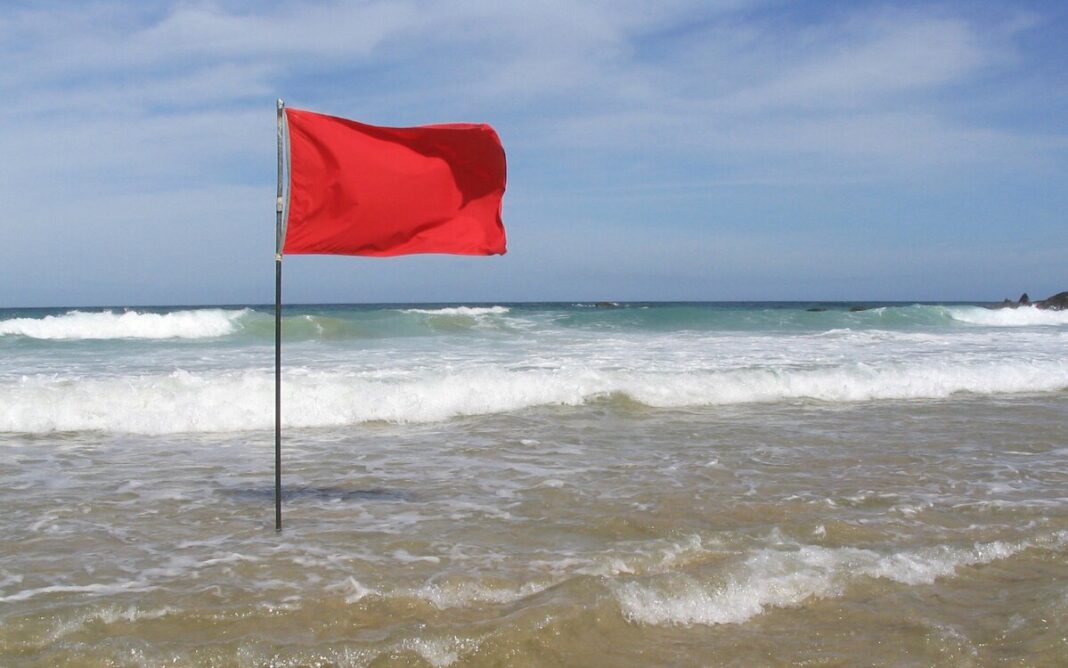
Fuerteventura is the second island in the Canary Islands with the highest number of deaths due to drowning in the first ten months of 2026. According to data released by the Association for the Prevention of Aquatic Accidents in the Canary Islands, 1500 km of coast, a total of 12 people have lost their lives on the island between January and October, a figure only surpassed by Tenerife, which records 21 deaths. In the Archipelago as a whole, deaths due to drowning amount to 59, five more than those recorded during the same period in 2025, when 54 were recorded. These data reflect an average of close to six monthly deaths due to aquatic accidents in the Canary Islands. The association especially warns about the risks of accessing the sea during situations of adverse waves and remembers that many of the fatal drownings occur after the victims enter the water despite the presence of a red flag. October leaves four dead and 19 people affected During the month of October, the accidents recorded on the coasts and aquatic facilities of the Canary Islands affected 19 people. Of them, four died, three suffered serious injuries, three others were moderately injured and three had minor injuries. Additionally, six people were rescued unharmed. In the accumulated period from January to October, the association counts 202 people affected by water accidents in the Archipelago. In addition to the 59 deaths, there have been 14 people in critical condition, 33 serious injuries, 30 moderate injuries, 26 minor injuries, and 40 rescues of people who were unharmed. One of the data that the report highlights is the relationship between accidents and episodes of adverse coastal phenomena. According to the association, 23 of the 59 deaths, equivalent to 39% of the total, entered the sea during pre-alert or alert situations activated by the Government of the Canary Islands. These circumstances were also present in 59 of the 202 accidents recorded, approximately 29%. Eight minors died, the highest number in the last decade. Special concern is generated by the number of minors who died due to submersion during 2026. Between January and October, eight children and adolescents lost their lives due to drowning in the Canary Islands, five of them during the summer months. According to the records of the Canary Islands, 1500 km of coast, this is the highest number of infant mortality from this cause recorded, at least, during the last decade. In total, 31 minors have suffered aquatic accidents on beaches and pools in the Archipelago so far this year. In addition to the eight deaths, there have been eleven seriously injured minors, five moderately injured, two minorly injured, and five rescued unharmed. Tenerife leads the statistics, followed by Fuerteventura and Gran Canaria. The territorial distribution of deaths places Tenerife as the island with the highest number of fatalities, with 21 cases. Fuerteventura occupies second place, with 12 deaths, followed by Gran Canaria, with 11, and Lanzarote, with eight. In El Hierro there have been four deaths due to drowning, while La Gomera has two and La Palma one. La Graciosa does not register deaths during the analyzed period. Therefore, Fuerteventura accounts for approximately 20% of the drowning deaths recorded in the Canary Islands between January and October 2026. Bathers represent 61% of the fatalities. The report also analyzes the circumstances under which the accidents occurred. Of the 59 people who died, 36 were bathers, which represents 61% of the total. Another seven victims, equivalent to 12%, are included in the category of accidents caused by falls into the water from docks, cliffs, boardwalks or other coastal spaces, generally as a result of waves or slips. Likewise, six deceased were practicing diving and four were carrying out fishing activities. In six other cases, there is no information available about the activity carried out by the victims. Regarding sex, 41 of the deceased were men and 17 women, while in one case this information was not specified. Regarding age, the study identifies 21 adults and twelve people over 60 years of age, in addition to the eight deceased minors. In the remaining 18 cases, age could not be determined. Beaches account for 60% of accidents Beaches continue to be the environment in which the highest proportion of aquatic accidents are recorded in the Canary Islands, with 60% of the cases. They are followed by ports and other coastal areas, which concentrate 25%, swimming pools, with 9%, and natural pools, with 6%. In relation to the time of day, 59% of fatal accidents occurred during the afternoon, while 20% occurred in the morning and 8% at night. In the remaining 12%, time information is not available. The study also includes the presence of foreign visitors among the victims. According to the association, 21 of the identified deceased were foreigners, coming from different countries, including Germany, the United Kingdom, France, Belgium, Norway, Italy and Venezuela. In 35 cases, information on the country of origin is not available. Call for prevention and respect for alerts From the Canary Islands, 1500 km of coast insist on the need to take extreme precautions on beaches and coastal areas, especially when there are warnings for adverse meteorological phenomena. The association reminds that sea conditions can change quickly and that accessing water during episodes of strong waves increases the risk of suffering serious accidents. The statistical study is prepared from information coming, approximately 90%, from official sources linked to emergency services, including 112 Canarias, Civil Guard, National Police, Maritime Rescue, local police, firefighters and Civil Protection. The initiative is sponsored by different public institutions and collaborating entities, including the Cabildo of Gran Canaria, the Government of the Canary Islands, the Elder Museum and Binter. With 59 deaths in ten months and Fuerteventura ranked as the second island with the highest mortality rate due to drowning, the data once again highlights the importance of prevention, information on the state of the sea and compliance with safety recommendations on the Canary Islands coast.
Originally reported by www.lavozdefuerteventura.com, rewritten by the Fuerteventura Times AI Editorial Desk.