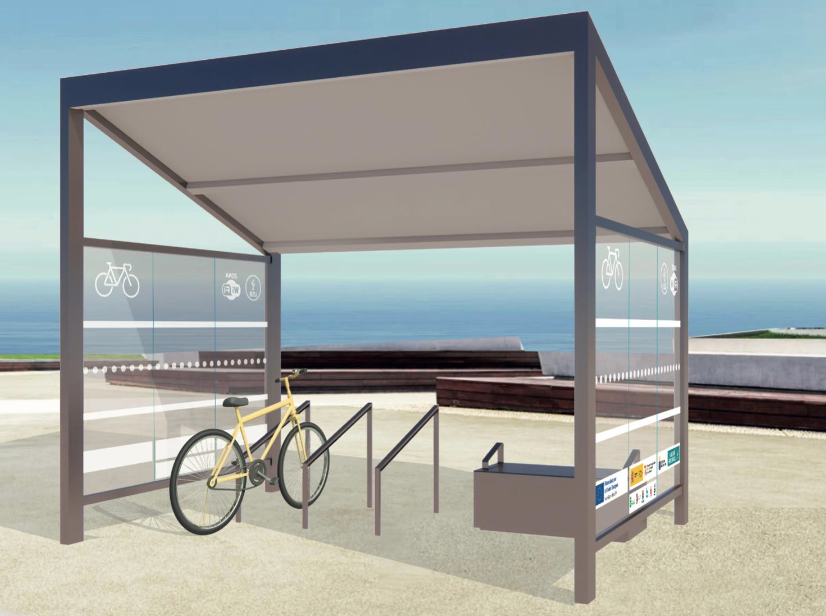
Fuerteventura’s Sustainable Leap: Installation of Photovoltaic Bus Shelters
Fuerteventura, one of Spain’s picturesque Canary Islands, is taking significant strides towards sustainable tourism. As part of this initiative, the island’s Tourism Department, under the Cabildo of Fuerteventura, is set to receive fifteen photovoltaic bus shelters equipped with bike racks. These installations will be strategically placed in tourist hotspots and beach access points across the island, enhancing both the utility and sustainability of local infrastructure.
A Vision for Sustainable Tourism
Lola García, the island’s president, emphasized the importance of this development. She noted that the installation of photovoltaic shelters represents a noteworthy step in transforming Fuerteventura into a more sustainable tourist destination. This project not only upgrades the island’s infrastructure but also serves as a testament to the commitment toward environmental stewardship and sustainable mobility.
García stated, “This initiative reflects our dedication to fostering a tourism model that is respectful and responsible. We are ensuring that our natural heritage and beautiful beaches remain a reference point for future generations.” The collaboration with the European Union, alongside support from local municipalities, underscores the unified effort to promote sustainable tourism on the island.
Enhancing Infrastructure with Renewable Energy
Marlene Figueroa, the Tourism Councilor, elaborated on the operational aspects of these photovoltaic shelters. Designed to offer a safe haven for bicycles, these structures are equipped with solar panels, thereby contributing to renewable energy solutions in tourist areas. Figueroa highlighted that this aligns seamlessly with Fuerteventura’s Green Transition Plan, aiming to bolster energy sustainability in the region.
The addition of these shelters will not only promote eco-friendly transportation, such as biking, but also showcase Fuerteventura’s commitment to utilizing renewable energy sources. Thus, the initiative supports a dual purpose: improving mobility options for residents and tourists, while also reducing the carbon footprint associated with traditional transportation methods.
Financial Backing and Collaborative Efforts
To facilitate the implementation of these bus shelters, the Tourism Department has signed agreements with all six municipalities on the island. The total financial outlay for this project is approximately €299,952.25. This investment is part of a broader effort encapsulated in the Tourism Sustainability Plan ‘Fuerte por Naturaleza’, which has a budget exceeding 9 million euros allocated for the years 2024-2025.
This comprehensive plan aims not just at immediate improvements but also focuses on the long-term sustainability and modernization of the island’s tourism sector. By integrating ecological considerations into the development of tourism infrastructure, Fuerteventura is positioning itself as a leader in sustainable tourism practices within the Canary Islands and beyond.
Support from the European Union
The funding for this project is partly sourced from the European Union, through the Modernization and Competitiveness Plan for the Tourism Sector developed in response to Spain’s Recovery, Transformation, and Resilience Strategy. This support emphasizes Europe’s dedication to sustainability and highlights the importance of collaborating on sustainable infrastructural projects that have the potential to transform destinations and enhance their viability.
By integrating environmentally friendly solutions with practical applications, this initiative stands as a model for future developments in tourism infrastructure. Fuerteventura’s journey toward sustainability exemplifies the possibilities that arise when local governments, communities, and international entities unite with a common goal: preserving paradise for generations to come.
![[gpt_title] Rewrite this article’s title in the tone of *Fuerteventura Times* — calm, intelligent, and curiosity-driven. Keep it under 60 characters. Focus on themes like consciousness, healing, creativity, or neuroscience — avoid hype or clickbait. Make it sound soulful yet journalistic. Examples: “The Science of Stillness,” “Microdosing for Meaning,” “A New Age of Conscious Healing.” [/gpt_title]](https://imageio.forbes.com/specials-images/imageserve/6a20400f0e2976a028e02e14/0x0.jpg?format=jpg&height=900&width=1600&fit=bounds "[gpt_title] Rewrite this article’s title in the tone of *Fuerteventura Times* — calm, intelligent, and curiosity-driven. Keep it under 60 characters. Focus on themes like consciousness, healing, creativity, or neuroscience — avoid hype or clickbait. Make it sound soulful yet journalistic. Examples: “The Science of Stillness,” “Microdosing for Meaning,” “A New Age of Conscious Healing.” [/gpt_title]")
